The headlines are vibrating with a superficial triumph: Iran is banking $139 million a day from oil while the Strait of Hormuz burns. On paper, it looks like a masterclass in geopolitical arbitrage. While regional rivals see their tankers stalled or redirected, Tehran is supposedly "benefiting" from a war premium that has pushed Brent crude toward $100.
This is not a success story. It is a liquidation sale of a dying regime’s only remaining asset.
If you believe the $139 million figure represents strength, you are falling for the same "lazy consensus" that fails to account for the catastrophic friction of operating a shadow economy. This isn’t a windfall; it’s a desperate high-interest loan taken out against the country’s future.
The Myth of the $139 Million Payday
The $139 million daily revenue figure is a gross calculation based on volume and current market prices. It ignores the "Sanction Tax"—a brutal, invisible drain that ensures the Iranian Treasury never sees a fraction of that headline number.
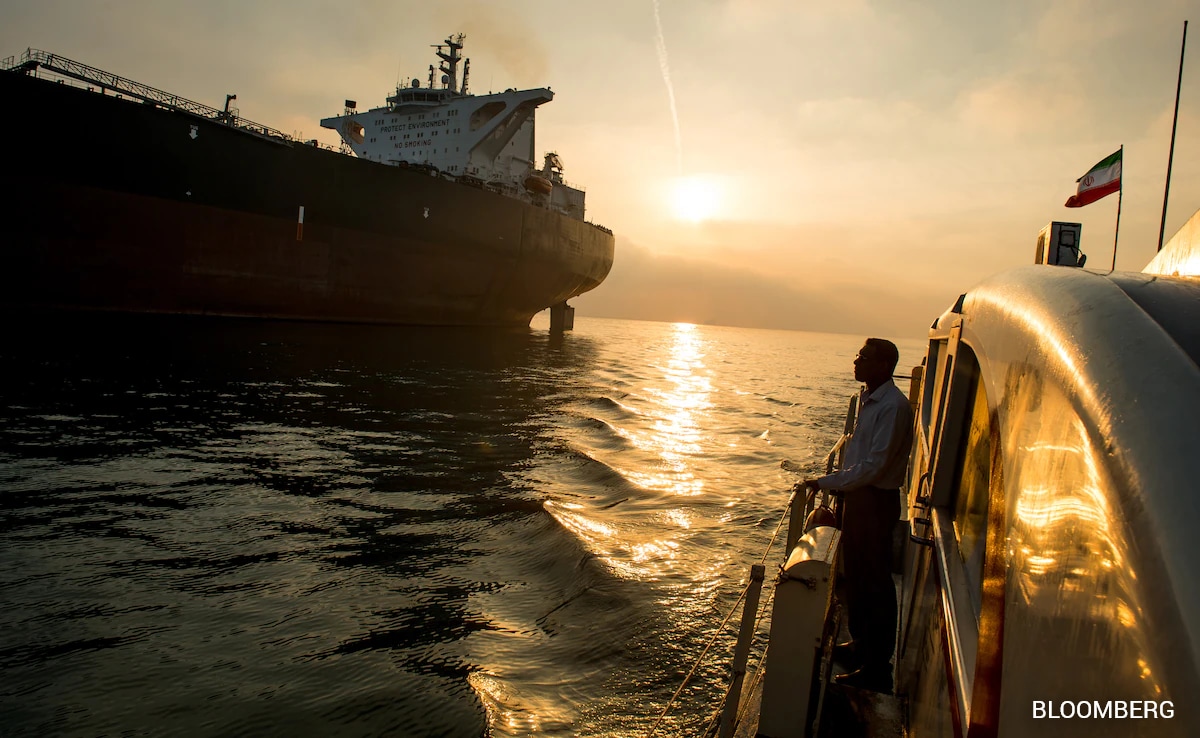
To move oil today, Iran relies on a "Shadow Fleet" of aging, uninsured tankers that are effectively floating environmental disasters. Operating this fleet requires a massive infrastructure of front companies, middle-men, and transshipment hubs in places like Malaysia and the UAE.
I have watched how these networks operate. By the time you pay the "ghost" ship operators, the money launderers in Dubai, and the Chinese "teapot" refineries—who demand a massive discount for the risk of taking sanctioned crude—that $139 million is gutted. Industry insiders know the real "take-home" pay is likely 30% to 40% lower than the face value.
Imagine a scenario where you sell a car for $10,000, but you have to pay $4,000 to a middleman just to avoid the police seeing the title transfer. You didn't make $10,000. You barely covered your costs.
The Hormuz Trap: A Self-Inflicted Blockade
The current crisis in the Strait of Hormuz is being framed as Iran’s leverage. The narrative suggests that because Iran can transit the Strait while others cannot, they have a monopoly on the remaining flow.
This is a fundamental misunderstanding of maritime logistics.
A "closed" or highly contested Strait doesn't just block rivals; it skyrockets the cost of insurance and freight for everyone, including the shadow fleet. While Iran might be the "only major exporter" moving barrels through the choke point, they are doing so under the shadow of a massive regional war that has already seen Israeli strikes on Iranian energy infrastructure, such as the South Pars gas field.
The "leverage" of the Strait is a double-edged sword that is currently cutting Iran’s throat. Closing the Strait—or making it a permanent war zone—effectively paralyzes 80% of Iran’s own total foreign trade. They are holding a gun to their own head and calling it a negotiation tactic.
China Is Not Your Friend, It’s Your Pawnbroker
The "China Factor" is often cited as Iran’s ultimate safety net. It’s true that China buys roughly 90% of Iran’s shipped oil. But let’s look at the terms.
Under the 25-year cooperation agreement, China isn't just a buyer; they are a predatory lender. They receive Iranian oil at "below market prices"—often a $9 to $10 per barrel discount even before the current crisis. In exchange, they promise infrastructure investments that rarely materialize.
Recent data shows Chinese giants like Sinopec are already looking for the exit, pushing to use China’s own massive 1.13 billion-barrel strategic reserves rather than deal with the escalating heat of the US-Israel-Iran conflict.
When your only customer starts looking at their own pantry to avoid buying from you, you don't have a "strategic partnership." You have a fire sale.
The Hidden Cost of Infrastructure Decay
While the world watches the daily revenue tickers, nobody is looking at the oil wells.
Iran’s production capacity is cannibalizing itself. Years of sanctions mean no access to modern EOR (Enhanced Oil Recovery) technology. To maintain the 1.6 million barrels per day (bpd) export level reported this month, Iran is likely over-producing from mature fields, causing permanent damage to the reservoirs.
- Field Decline: Iranian fields have a natural decline rate of 8% to 10% per year.
- Capital Deficit: To just stay level, they need an estimated $40 billion in investment that isn't coming.
- Infrastructure Risk: Recent airstrikes have proven that the "nerve center" of Iranian energy is vulnerable.
The $139 million daily "earnings" are being funneled directly into a war machine and internal security to suppress domestic unrest. Not a cent is going back into the ground. This is the definition of a "sunset industry" being liquidated for scrap.
The Premise is Flawed
The question people are asking is: "How much is Iran making from the crisis?"
The question they should be asking is: "How much is the Iranian state losing in total asset value every day the war continues?"
The revenue is a distraction. The reality is a collapsing currency (the rial hit record lows this month), a literal shortage of cash in domestic bank branches, and an energy infrastructure that is one well-placed missile away from total blackout.
If you’re betting on the "resilience" of the Iranian oil sector, you’re betting on a house that’s burning down because the owner is selling the furniture as firewood. It provides heat for a minute, but the roof is still coming down.
Would you like me to break down the specific discount rates the "Shadow Fleet" is currently charging for transit through the Strait?