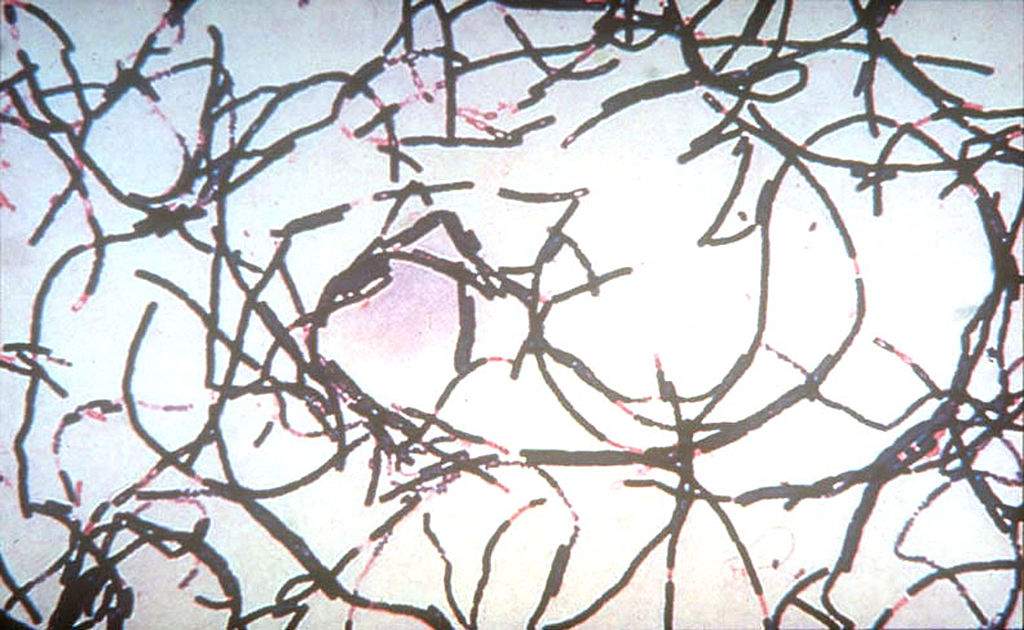
Every single time heavy rains hit the river valleys or rural districts of Zambia, the international news cycle grinds into gear with the exact same tired script. Headlines scream about anthrax spilling out of the earth, striking down dozens of wild animals and trickling into human populations. Reporters clutch their pearls, talking about terrifying pathogens jumping species barriers as if Bacillus anthracis were an alien organism dropped by a UFO.
It is pure theater. And it is completely dishonest.
Anthrax in Zambia is not a sudden, unpredictable catastrophe. It is a predictable, administrative accounting error. It is a failure of veterinary infrastructure, compounded by rural poverty, wrapped in sensationalist journalism that prefers panic over a boring conversation about basic animal husbandry.
If you read standard coverage, you walk away believing that nature is out to get us, that wild herds and helpless villagers are caught in the crossfire of an unpreventable microbial war. That narrative protects incompetent bureaucrats and lazy foreign aid bureaucracies who love a good crisis because crises open checkbooks. Let us strip away the melodrama and look at what is actually happening on the ground.
The Clockwork Nature of Spores
Let us start with the basic science that sensationalist reports conveniently omit. Bacillus anthracis is not an opportunistic hunter stalking the brush. It is a soil-dwelling bacterium that forms spores capable of surviving in alkaline, calcium-rich earth for decades.
These spores do not magically multiply in the soil; they wait. When a severe dry spell is followed by sudden, heavy downpours—a standard seasonal pattern in southern and central Africa—grass sprouts short and sparse. Herbivores grazing close to the dirt vacuum up the dormant spores along with the roots. The spores germinate inside the animal, multiply rapidly, kill the host within days, and release millions of new spores back into the soil when scavengers tear open the carcass or when decomposition fluids saturate the dirt.
This cycle is as reliable as the equinox. It happens in the same geographic pockets year after year. Treating an anthrax spike in the Luangwa Valley or Western Province as an unforeseen plague is like calling a hurricane in August an unexpected weather event. The environment tells you exactly what is going to happen months before the first animal drops dead. Yet public health authorities act surprised every single time, scrambling to set up emergency committees only after the bodies start piling up.
The Meat Market Economics of Human Infection
The media loves to imply mysterious aerosol transmission or apocalyptic contagion when humans contract anthrax. It sounds dramatic to write about villagers falling ill to a weaponized livestock disease. The truth is much more mundane, much more uncomfortable, and entirely driven by economic desperation.
Rural communities without reliable refrigeration, stable electricity, or cash-heavy economies operate on a knife-edge of food security. When a cow, a goat, or a wild hippopotamus drops dead in the bush, that carcass represents thousands of calories of desperately needed protein.
People do not butcher infected animals because they are ignorant of the risks; they do it because starvation is an immediate certainty, whereas anthrax is a calculated gamble. Cutaneous anthrax enters through minor skin abrasions during butchering. Gastrointestinal anthrax enters through undercooked meat.
This is not a villainous virus invading a community; it is a poverty tax. When veterinary services abandon rural farmers, those farmers are forced to choose between letting a valuable protein source rot or risking infection to feed their families. Blaming the villagers for handling dead livestock is like blaming a drowning man for grabbing a toxic snake to stay afloat.
The Vaccine Blindspot
The weapon against anthrax has existed for more than a century. Louis Pasteur rolled out livestock vaccines in the 1880s. A standard veterinary vaccine costs pennies per dose and protects cattle and small ruminants for a full year.
Yet, government veterinary services across rural sub-Saharan Africa are chronically starved of operating budgets. Money flows into emergency response task forces, PCR machines for capital city laboratories, and international consultants flying in for workshops, while local cattle go unvaccinated year after year.
Imagine a scenario where a government treats livestock vaccination with the same urgency as a national election. You map the high-risk anthrax endemic zones—which are well-documented and mapped down to specific districts—and you deploy cold-chain vaccine units two months before the rainy season begins. You inoculate the herds. The transmission chain snaps. The bacteria stays dormant in the soil, harmless and contained, because it never finds a host to multiply within.
Instead, the institutional apparatus waits for the outbreak, releases panicked press statements, distributes a fraction of the required antibiotics to local clinics after people are already infected, and waits for the rain to stop so the numbers naturally decline. Then they pat themselves on the back for managing the crisis they allowed to happen through institutional inertia.
Why the Crisis Loop Persists
There is a dark incentive structure behind this recurring tragedy. Emergency "outbreak management" attracts donor funding. International NGOs thrive on visible crises. A press release announcing that "Zero anthrax cases occurred this year due to boring, methodical cattle vaccination" does not make the evening news or trigger emergency grants from global health funds.
Bureaucracies are financially and politically incentivized to maintain the crisis loop. They prefer the drama of disaster response over the unglamorous plumbing of preventative veterinary care. As long as the narrative remains centered on wild animal die-offs and mysterious human transmissions, nobody asks why the local veterinary office hasn't seen a vaccine shipment in four years.
Fixing the Root Cause
If you want to end anthrax outbreaks in Zambia and across the broader region, you must stop treating it as a human health emergency and start treating it as a veterinary logistics problem.
- Pre-position Vaccines: Shift funding away from post-outbreak emergency medicine and into pre-season mass livestock vaccination campaigns in known endemic zones.
- Compensate Farmers: Implement immediate cash-compensation programs for farmers who report sudden livestock deaths. If a farmer knows the government will reimburse them for a dead cow, they have no economic incentive to butcher and sell an anthrax-infected carcass.
- Decentralize Cold Chains: Build solar-powered cold storage units directly into rural veterinary outposts so vaccines don't spoil before reaching the herds that need them.
Stop writing horror stories about anthrax jumping out of the earth to punish the unwary. Start demanding accountability from the agencies whose job it is to buy vaccine needles instead of microphones.


