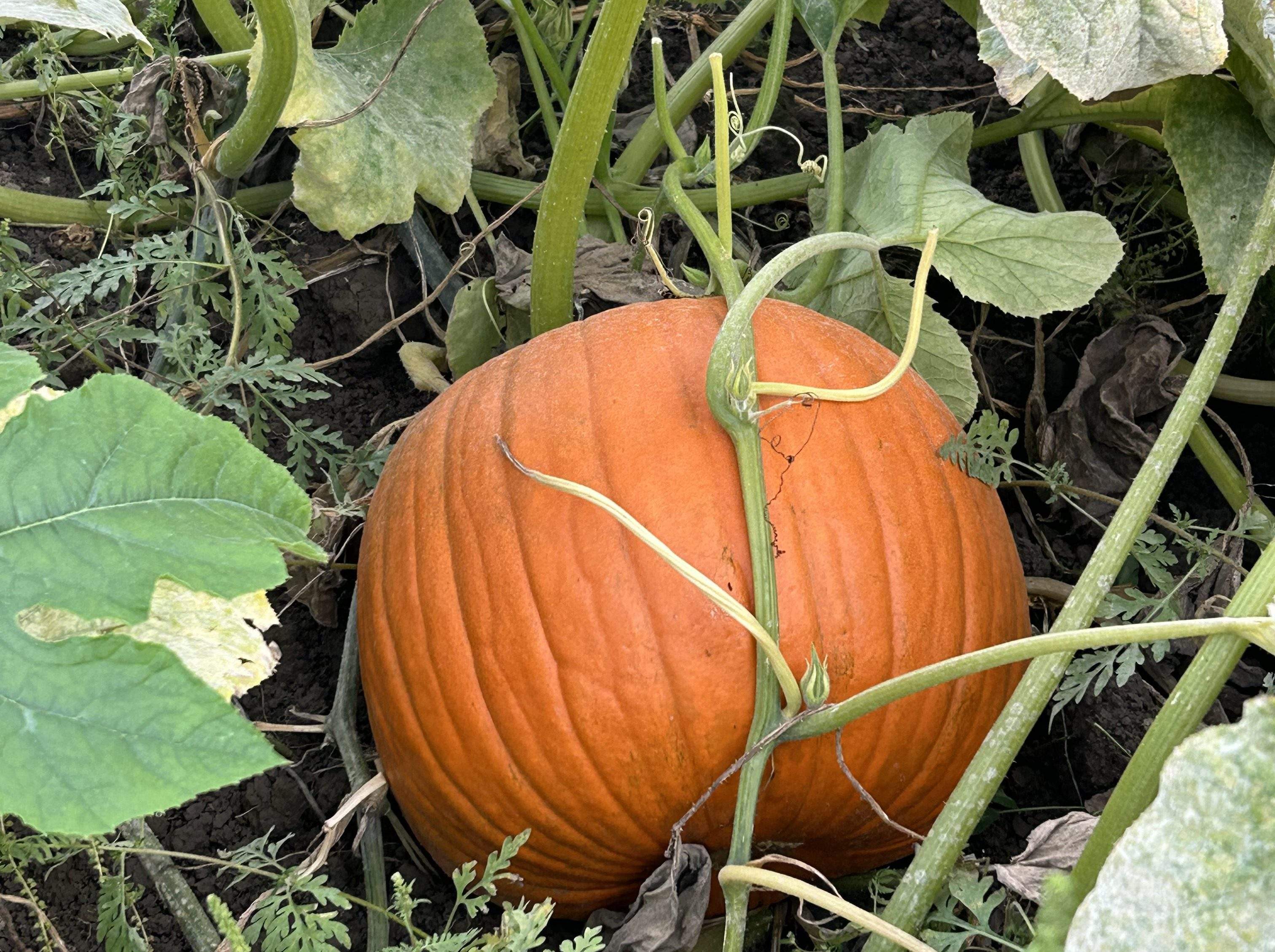
Every October, the agricultural PR machine spins up the exact same narrative. Helpless farmers, ruined pumpkin patches, and the big, bad bogeyman of extreme weather in Canada. We are told pumpkin farms are at the mercy of Mother Nature after a drought, a flood, or an early frost.
This is a convenient excuse for outdated business models.
Weather volatility is no longer a surprise. It is a known, measurable variable in agricultural economics. Blaming Mother Nature for a failed pumpkin crop is like a shipping company blaming the ocean for sinking a leaky boat. The failure isn't meteorological. It is operational.
I have spent years analyzing agribusiness risk models and supply chain failures. When an operation loses 40% of its yield to heat stress, the media writes a tragic human-interest story. What they miss is the systemic refusal to implement deep mulching, drought-resistant rootstock grafting, or precision drip irrigation. Pumpkins are a water-intensive, low-margin ornamental crop. Attempting to grow them using 1950s open-field monoculture techniques in today's climate reality is financial negligence.
Stop asking why the weather is ruining the season. Ask why the industry refuses to adapt.
The Real Reasons Pumpkin Yields Fail
- Zero Crop Diversification: Planting hundreds of acres of a single Cucurbita pepo variety ensures that a localized pathogen or a three-day heatwave wipes out the entire revenue stream.
- Outdated Irrigation: Relying on natural rainfall or inefficient overhead sprinklers leads to massive evaporation losses and shallow root systems, making crops incredibly vulnerable to sudden dry spells.
- Degraded Soil Health: Decades of heavy tilling destroy the fungal networks necessary for moisture retention. Healthy soil acts like a sponge. Dead dirt turns into dust under heat and mud under rain.
Let's address the predictable panic that sets in when prices spike at the grocery store.
Why are pumpkins so expensive this year?
You are paying a premium for systemic inefficiency. You are subsidizing growers who refuse to transition to high-density, climate-controlled environments for high-value varieties. The price hike has very little to do with the actual cost of seed, water, and labor, and everything to do with manufactured scarcity caused by poor risk management.
Yes, advanced soil remediation and modern irrigation infrastructure require heavy upfront capital. Small farms face agonizing financial barriers to entry. But treating agriculture like a casino where you simply hope the sky behaves is not a strategy.
Growers who survive the next decade will not be the ones praying for rain. They will be the ones engineering systems that do not require it.