Vladimir Putin wanted a showcase of normalcy. Every year, the St Petersburg International Economic Forum aims to prove that Russia isn't isolated, that its economy is thriving despite Western sanctions, and that global business still runs through Moscow. But reality just crashed the party.
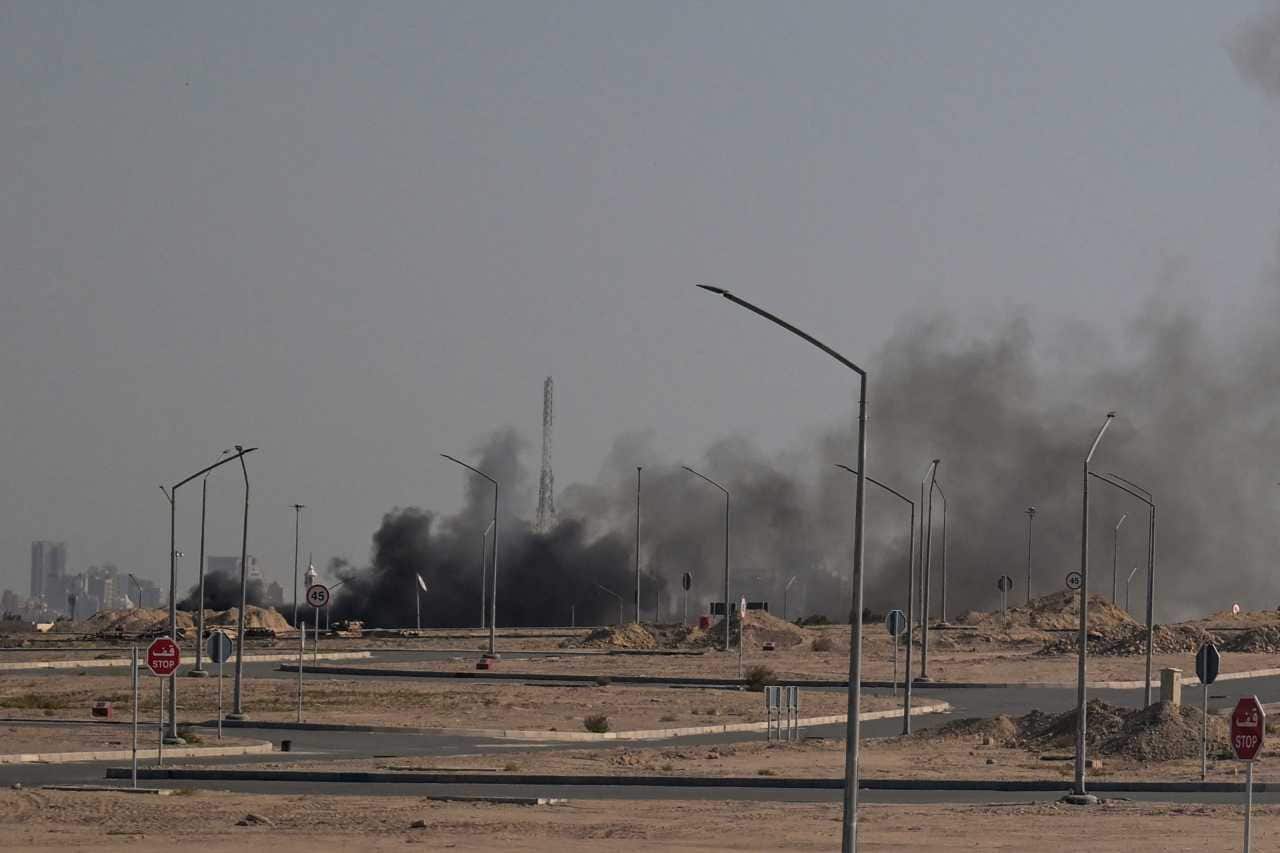
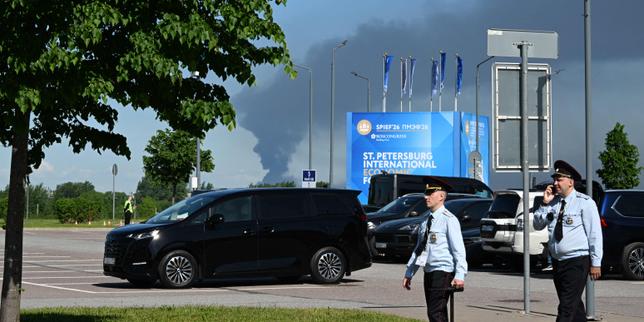
While oligarchs and foreign delegates from Asia, Africa, and the Middle East gathered in Russia’s gilded northern capital, the war came straight to the doorstep. Ukrainian drone strikes targeted infrastructure right in the Leningrad region, sending thick grey smoke into the sky just miles from the convention center. You can paint over the cracks with lavish gala dinners and high-tech exhibition booths, but you can't hide the smoke.
The security cordon around the forum has never been tighter. Jamming signals routinely mess with navigation apps in the city center. Guests face multi-layered security checks that feel more like entering a military bunker than a business conference. It’s a stark reminder that the war in Ukraine isn't a distant news item for the Russian elite anymore. It's the backdrop of their daily lives.
The St Petersburg International Economic Forum has a massive optics problem
The event used to be a playground for global CEOs, American investment bankers, and European leaders. French President Emmanuel Macron and late Japanese Prime Minister Shinzo Abe once shared the stage with Putin here. Those days are gone.
Now, the guest list reflects Russia's forced pivot to the Global South. Representatives from China, India, Iran, and various African nations fill the corridors. Taliban officials from Afghanistan even made an appearance to discuss trade. It’s a different kind of crowd, and the financial weight behind them doesn't replace the Western capital that fled the country.
Wartime economic shifts have fundamentally changed the nature of this gathering. The forum used to be about integration into the global economy. Now, it's about survival, import substitution, and finding backdoors around sanctions.
Drones and smoke break through the illusion of stability
The Kremlin spends billions of rubles to project an image of total control. Yet, Ukraine's domestic drone program has matured to the point where it can consistently strike deep inside Russian territory. Refineries, oil depots, and logistics hubs in the Leningrad and Murmansk regions are now fair game.
Distance from Ukrainian border to St. Petersburg: ~850 to 1,000 kilometers
This isn't just about physical damage. It's psychological warfare. When delegates see military air defenses deployed near civilian infrastructure or watch smoke rising from a nearby industrial zone, the investment narrative falls apart. Security analysts from Janes and the International Institute for Strategic Studies note that these long-range strikes expose severe gaps in Russia’s domestic air defense network, which has been depleted to protect frontline assets in Ukraine.
Corporate executives don't like instability. Even the most daring investors from friendly nations hesitate when the host country’s critical infrastructure is vulnerable to low-cost loitering munitions. The smoke over St Petersburg tells a much truer story about Russia’s economic climate than any speech delivered in the main plenary hall.
The true state of the Russian wartime economy
Look past the flashy displays of Russian-made cars and sovereign tech platforms at the forum. The underlying numbers tell a highly volatile story.
Russia’s GDP numbers look deceptively good on paper, driven largely by massive state spending on the military-industrial complex. Factories are working three shifts to churn out tanks, artillery shells, and tactical gear. This military Keynesianism creates a temporary boom, but it cannibalizes other sectors.
- Labor shortages: Mobilization and the flight of hundreds of thousands of tech workers, engineers, and professionals have left Russian enterprises desperate for staff.
- Crushing inflation: The Russian Central Bank has kept interest rates stubbornly high in an attempt to cool down an overheating economy fueled by state wartime payouts.
- Dependency on Beijing: The rouble-yuan trade has grown exponentially, effectively turning Russia into a junior economic partner to China.
Business leaders attending the forum know these structural weaknesses well. They understand that a market propped up by wartime spending isn't sustainable for long-term civilian investments.
Moving beyond the propaganda
If you're analyzing global risk or managing international supply chains, stop looking at the official press releases coming out of the St Petersburg forum. The real indicators are found in the shifting logistics routes, the price of shadow-fleet oil tankers, and the frequency of drone sirens in western Russia.
Track the concrete business deals signed during the week rather than the vague memoranda of understanding. Watch the actual volume of trade flowing through non-Western corridors. Most importantly, keep an eye on how Russia attempts to secure its domestic industrial hubs from aerial threats. The ability of the Russian state to protect its economic heartland will dictate its financial stability far more than any rhetoric broadcast from a heavily guarded convention hall.