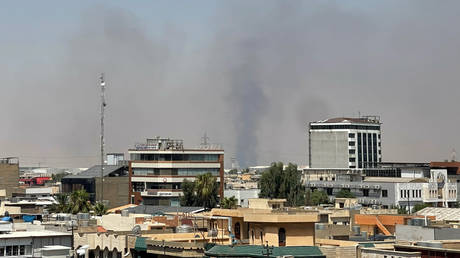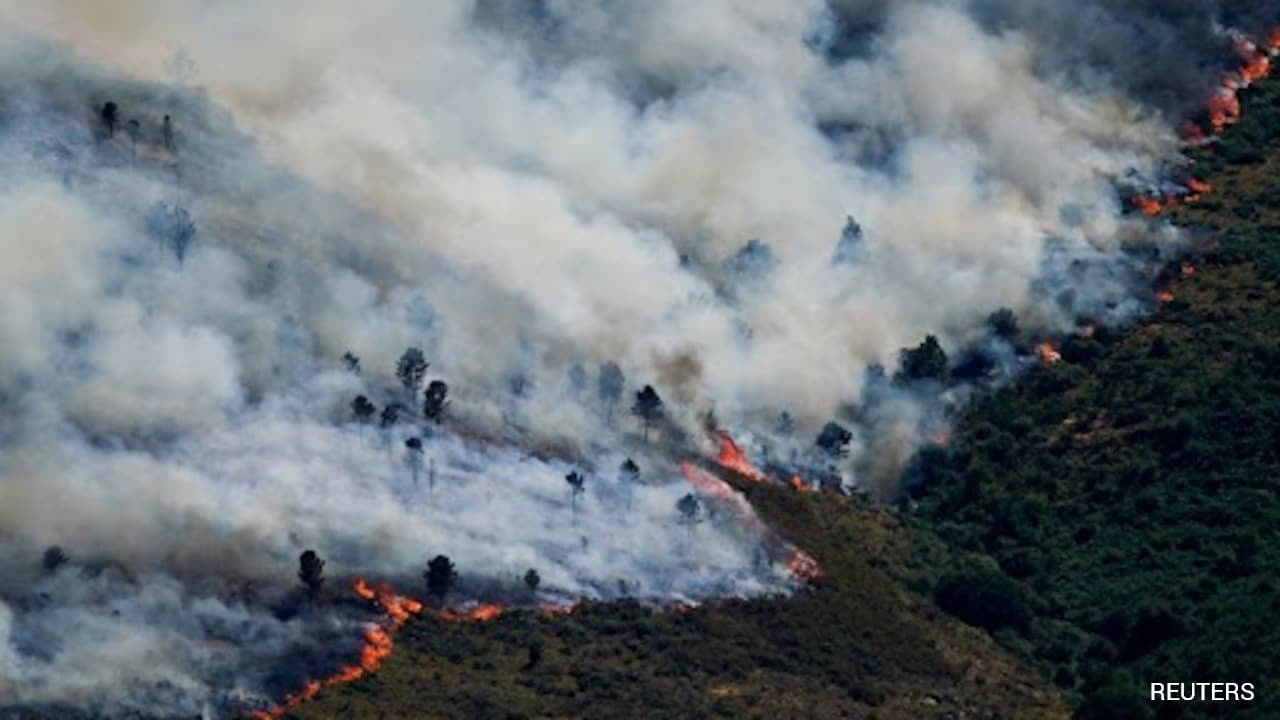
Spain just took a step it has never taken before. On July 24, 2026, the Spanish government officially declared a national emergency over wildfires as uncontrollable blazes raced across the central region around Madrid and neighboring Ávila province.
Flames pushed toward towns. Smoke filled the sky over Madrid. Tens of thousands of people scrambled to pack their belongings and flee.
If you've been watching European weather trends, you know summer heatwaves aren't new. What happened this week isn't standard summer weather. Spain activated its highest level of national emergency specifically for a forest fire crisis for the very first time. The Interior Ministry took direct command of all emergency operations, placing the Military Emergency Unit in charge while regional authorities struggled to hold back multiple infernos.
It's a stark turning point for Southern Europe.
What Triggered Spain's Unprecedented National Emergency
The decision wasn't made lightly. Multiple major fires broke out almost simultaneously across central Spain, driven by relentless heat and gusty winds.
In the Madrid region, wildfires ignited near Villa del Prado, San Martín de Valdeiglesias, Pelayos de la Presa, and Aldea del Fresno. Flames quickly merged, forming a wall of fire that consumed more than 30 square kilometers within hours. Regional leaders called it the worst wildfire event in Madrid's modern history. Emergency alerts blasted onto phones at odd hours, ordering thousands of people to evacuate immediately.
Across the regional border in Ávila province, part of Castilla y León, another massive blaze tore through pine forests near Burgohondo, El Tiemblo, and Navaluenga. Firefighters found themselves fighting on multiple fronts at once.
Spain's Interior Minister Fernando Grande-Marlaska stepped in to declare the national emergency because local resources were completely overwhelmed. The declaration allows the central government to mobilize federal military assets, override regional administrative boundaries, and instantly deploy national security forces.
The numbers tell a grim story.
- Over 10,000 residents were evacuated from villages west of Madrid within 24 hours.
- Another 1,500 people fled vacation complexes and homes in Ávila.
- More than 1,300 square kilometers of land have burned across Spain so far in 2026.
- That total is more than four times the area scorched during the exact same period in 2025.
Earlier this month, a tragic fire in southern Spain claimed 13 lives. A separate monster blaze in Guadalajara province consumed roughly 320 square kilometers over a single week, becoming Spain's second-largest wildfire on record.
The Deadly Heatwave Driving Southern Europe Into Chaos
Fires don't burn like this without extreme conditions. Southern Europe is enduring a brutal, prolonged heatwave that has turned dense forests into tinderboxes.
Temperatures across southeastern Spain hit 39°C and pushed toward 44°C in inland valleys. Low humidity and fierce winds created the ideal environment for rapid fire spread. When pine needles and dry shrubland reach those temperatures, spot fires can jump across wide highways and rivers before ground crews even notice them.
Data from the European Union's Copernicus Climate Change Service shows that Europe is warming faster than any other continent. Temperatures across Europe have risen at twice the global average rate over recent decades.
When you combine long-term drought with a heat wave, vegetation loses all moisture. Firefighters call it explosive burning behavior. Instead of creeping along the ground, flames climb straight into the tree canopy, throwing burning embers miles ahead of the main fire front.
Beyond Spain How France and the EU Are Fighting Back
Spain isn't fighting this battle alone. The entire Mediterranean basin is suffering through the same extreme weather, and neighboring France is facing its own nightmare on the Atlantic coast.
In southwestern France, near the famous wine region of Bordeaux, a catastrophic wildfire devastated the Cap Ferret peninsula. The fire burned through roughly 100 square kilometers of coastal pine forests in just a few days, forcing the evacuation of over 40,000 people from holiday resorts, campsites, and coastal villages.
Roads out of the peninsula became completely choked with traffic. French authorities had to launch a massive maritime evacuation, using water taxis, private yachts, and ferry boats to evacuate roughly 1,500 people directly off the beaches toward Arcachon.
To handle the scale of the crisis, both France and Spain activated the European Union Civil Protection Mechanism to request international emergency assistance.
The European response was swift.
- Croatia sent two Canadair water-dumping aircraft to France.
- Portugal deployed two Air Tractor firefighting planes.
- The Czech Republic and Slovakia dispatched heavy-lift Black Hawk helicopters equipped with water buckets.
- Italy and Greece prepared specialized air tankers to assist Spanish crews working around Madrid and Ávila.
Seeing European nations pool military and civil resources like this shows how severe the situation has become. Single countries simply don't have enough specialized air units to fight giant fires simultaneously.
Real Stories From the Ground in Navaluenga and Cap Ferret
Numbers and maps only tell part of the story. The reality for people living in these communities is terrifying.
In Navaluenga, a picturesque town in Ávila province, locals gathered along the riverbank to watch military helicopters scoop water to drop on nearby hillsides. Thick gray smoke blanketed the streets, burning eyes and throat.
Javier Martin, a 36-year resident of Navaluenga, described the scene to reporters. He said he had lived in the town his whole life and had never seen anything like it. He thought firefighters would get the fire under control overnight, but by morning, the flames were spreading completely out of control.
In France, the speed of the evacuation caught many families off guard. Patrick Martineau, a resident of Le Porge near Cap Ferret, recalled how police officers knocked frantically on every door in his neighborhood. The fire was barely 500 meters away. His family grabbed whatever they could pack into two bags and ran for their lives.
In Madrid, residents woke up on Friday morning to the smell of woodsmoke hanging over the city center, tens of miles away from the nearest active fire line.
The Hard Reality Facing Mediterranean Wildfire Management
Why are these fires suddenly so hard to stop?
For decades, wildland firefighting focused heavily on aggressive suppression. Every small fire was put out as quickly as possible. While that protected property in the short term, it left massive amounts of dead brush, fallen branches, and dense undergrowth sitting in European forests.
Decades of rural depopulation worsened the problem. As younger generations moved from farming villages to major cities like Madrid and Barcelona, traditional agricultural practices faded. Goats and sheep used to clear dry brush naturally. Farmers used to harvest firewood. Now, those forest floors are overgrown.
When an intense heatwave hits, those overgrown forests turn into giant fuel piles.
Spanish Prime Minister Pedro Sánchez called the situation dramatic and renewed calls for a broad national political agreement to address climate adaptation. Treating every fire season purely as a surprise emergency doesn't work anymore.
Countries in Southern Europe need structural changes:
- Controlled prescribed burns during winter months to reduce brush build-up.
- Financial support for pastoral farming and traditional forest clearing.
- Stricter zoning laws that stop residential construction right on the edge of high-risk pine forests.
- Larger year-round professional firefighting teams instead of seasonal summer contracts.
What You Need to Know If You Are Traveling to Southern Europe
If you live in or plan to visit Spain, France, or other southern European countries during fire season, you need to take practical steps to protect yourself.
Do not assume local emergency services can reach you instantly. When thousands of people evacuate simultaneously, cellular networks get overloaded and roads close without warning.
Here is what you should do right now if you are in a wildfire-prone region.
Track Official Emergency Alerts
Download official safety apps and make sure your phone's emergency broadcasting alerts are turned on. In Spain, follow the Dirección General de Protección Civil y Emergencias. In France, follow the local Prefecture updates. Pay attention to SMS emergency blasts and act immediately when ordered to leave.
Monitor Real-Time Air Quality
Smoke from forest fires contains fine particulate matter that causes respiratory distress, even hours away from the active flames. Use live air quality monitoring sites to check PM2.5 levels. Keep windows closed and run air purifiers inside if smoke drifts into your town.
Plan Your Evacuation Routes Early
If you are staying in a rural rental home, campsite, or coastal resort, know at least two ways out by vehicle and one on foot. Coastal regions like Cap Ferret can easily become peninsula traps if the main road gets cut off by fire. Keep your car's fuel tank at least half full at all times during heatwaves.
Keep Emergency Supplies Ready
Prepare a small go-bag containing your passport, essential medication, phone chargers, cash, and a couple of bottles of water. If police knock on your door, you won't have time to search through suitcases.
Stay vigilant, follow instructions from local authorities, and don't wait until you see smoke on the horizon to start moving.