Cyprus is demanding a total overhaul of its security relationship with the United Kingdom, following a direct strike on British military soil that has shattered the island’s long-standing illusion of safety. President Nikos Christodoulides has moved to renegotiate the 1960 Treaty of Establishment after an Iranian-style Shahed drone successfully breached the perimeter of RAF Akrotiri on March 1, 2026. This was not a hypothetical drill. The attack caused physical damage to the base and served as a violent reminder that Britain’s "unsinkable aircraft carrier" in the Eastern Mediterranean now carries a target that threatens the entire Republic.
The core of the issue is a decades-old legal anomaly. When Cyprus gained independence, the UK retained two Sovereign Base Areas (SBAs), Akrotiri and Dhekelia, as British Overseas Territories. For sixty years, Nicosia tolerated this arrangement as a relic of colonialism that provided economic stability and a vague security umbrella. That tolerance evaporated the moment the region’s wider conflicts—specifically the escalating hostilities involving Iran—literally landed on Cypriot doorsteps.
The Myth of Sovereign Separation
The British government has spent the last several weeks attempting to reassure Nicosia that the SBAs are legally distinct from the Republic of Cyprus. From a diplomatic perspective, this is a convenient fiction. When a drone or a missile is launched toward Akrotiri, it does not check passports at the border. It flies over Limassol. It risks the lives of the 10,000 Cypriot civilians who live and work within the base boundaries.
The March 1 strike proved that the technical sovereignty of the UK offers no physical protection to the surrounding Republic. In fact, it does the opposite. By using Akrotiri as a staging ground for regional operations—ranging from strikes against Houthi targets to logistical support for Middle Eastern allies—the UK has effectively integrated Cyprus into a conflict it never joined.
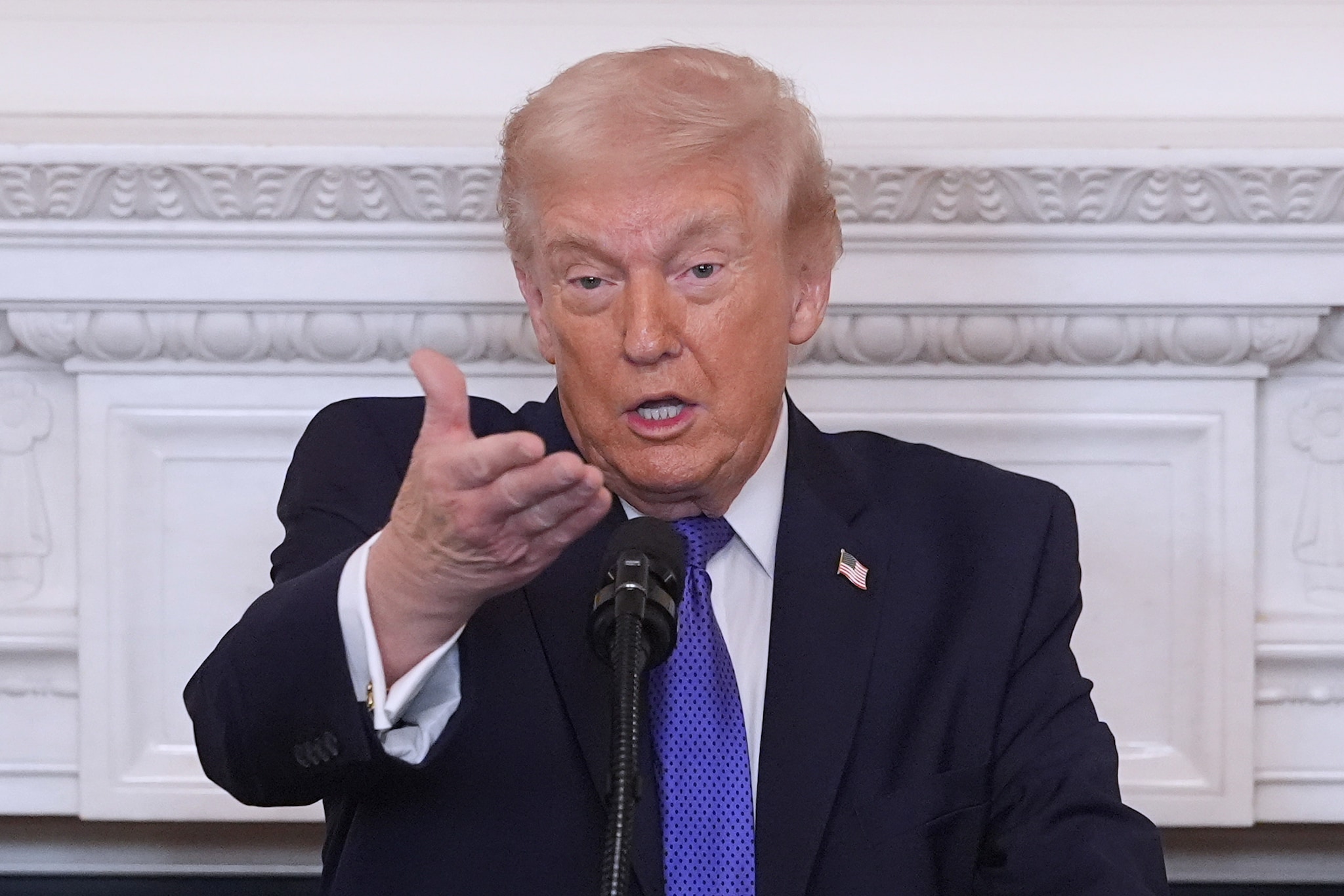
President Christodoulides is now playing a high-stakes hand. During a marathon call with British Prime Minister Keir Starmer on March 21, the Cypriot leader made it clear that the 1960 status quo is dead. He isn't asking the British to pack their bags yet; he is asking for a "frank and open discussion" about how to stop his country from becoming collateral damage.
A One-Sided Defense
The investigative reality of the UK’s presence in Cyprus reveals a startling lack of reciprocity. Under the current treaty, Cyprus is obligated to cooperate fully with the "security and effective operation" of the bases. There is no equivalent, legally binding obligation for the UK to defend the Republic of Cyprus from external threats triggered by those very bases.
When the Shahed drones appeared on radar earlier this month, the Republic was largely a spectator. While the UK scrambled to protect its assets and eventually considered deploying HMS Duncan to bolster base defenses, the civilian population of Cyprus was left wondering if they were next. This asymmetry is the primary driver behind the current diplomatic friction.
Nicosia’s demands are concrete:
- A veto or consultation mechanism on offensive operations launched from the bases that could invite retaliation against the island.
- Integrated air defense that covers the entire island, not just the 98 square miles of British territory.
- Formal security guarantees that treat the Republic’s safety as inseparable from the bases’ operations.
The Chagos Precedent
The UK is fighting this renegotiation because it fears a domino effect. Recently, the British government agreed to return the Chagos Archipelago to Mauritius, a move sparked by international pressure and a ruling from the International Court of Justice. Cyprus has watched this closely.
While the Cypriot government has not yet demanded the full return of the SBAs, the legal ground is shifting. If the 1960 treaty is opened for "security" reasons, it inevitably opens the door to questions about the legality of the sovereignty itself. The British Ministry of Defence (MoD) knows this. Their public stance has been rigid: "The status of the Sovereign Base Areas is not up for negotiation."
But the reality on the ground is more fluid. The UK has already blinked, with Starmer promising that Akrotiri will not be used for "offensive" strikes against Iran in the current cycle of violence. This is a massive tactical concession. It acknowledges that the Republic of Cyprus has a legitimate right to limit how British territory is used if that use endangers Cypriot lives.
The Strategic Price of Geography
Cyprus occupies the most valuable real estate in the Eastern Mediterranean. It is the only place where the West can maintain a permanent, sovereign military footprint within striking distance of the Levant, North Africa, and the Suez Canal. For the UK, losing the bases would be a terminal blow to its "Global Britain" aspirations. For the US, which uses the bases for intelligence and logistics, it would be a blind spot in an increasingly dark region.
The Republic of Cyprus knows this value. For years, they used it to secure EU accession and economic aid. Now, they are using it for survival. The decline in tourism—which accounts for 15% of the national GDP—following the drone strike has turned a geopolitical problem into an existential economic one. Airlines are rerouting. Investors are pausing.
The British cannot continue to operate a 21st-century military hub under a 1960 colonial lease that ignores the modern reality of long-range drone warfare. The "unsinkable aircraft carrier" is starting to take on water, not from the sea, but from the weight of its own strategic baggage.
Prime Minister Starmer must decide if he wants a willing partner in Nicosia or a resentful host. If the UK continues to hide behind the technicalities of the 1960 treaty, it may find that the biggest threat to the bases isn't a drone from Tehran, but a democratic government in Nicosia that decides the price of British sovereignty has become too high for its people to pay.
Monitor the upcoming European Council meetings. The next step is for Cyprus to seek a formal EU mandate to bring the "special status" of the bases into line with modern international law.