Africa is rewriting the ground rules of the global energy transition by slamming the brakes on raw mineral exports, forcing a high-stakes confrontation with foreign industrial powers that have extracted wealth from the continent for generations. From Zimbabwe halting the shipment of unrefined lithium and base metals to Namibia and the Democratic Republic of Congo restricting unprocessed cobalt and rare earth elements, resource nationalism has moved past political rhetoric. Governments are demanding in-country value addition, refusing to remain mere quarries for foreign electric vehicle batteries and technology supply chains. Yet, this aggressive push for resource sovereignty collides with a brutal physical reality: sweeping export bans enacted without reliable electrical grids, water access, and heavy industrial infrastructure risk backfiring, stranding valuable commodities in-country while local economies starve for capital.
For decades, the mechanics of extraction followed a predictable, colonial blueprint. Multinational conglomerates hauled raw ore out of African soil, shipped it across oceans to be refined in Asia or Europe, and sold it back to the global market at a astronomical markup. For another look, consider: this related article.
The economic arithmetic of this old model is indefensible. When a government exports raw lithium concentrate or unprocessed rock, it hemorrhages potential tax revenue, sacrifices thousands of engineering and manufacturing jobs, and leaves behind environmental degradation while foreign jurisdictions capture the lucrative downstream margins of the battery supply chain.
Governments across the continent are waking up to this imbalance. More than a dozen nations have instituted varying forms of export restrictions on unprocessed resources. Zimbabwe codified its stance by officially classifying fourteen minerals as critical, legally barring raw shipments to force domestic beneficiation. Further reporting on this trend has been provided by Forbes.
The policy shift yields immediate, eye-catching financial data. Following targeted restrictions on raw lithium, Zimbabwe recorded a dramatic surge in mineral export value despite flat or declining extraction volumes.
Sovereign leverage is real. When major producers withhold unrefined material, global markets twitch, forcing foreign buyers to reevaluate long-term procurement strategies.
The Infrastructure Blind Spot
The political appeal of an export ban is absolute. Translating that decree into a functional domestic smelting and refining industry is an entirely different engineering challenge.
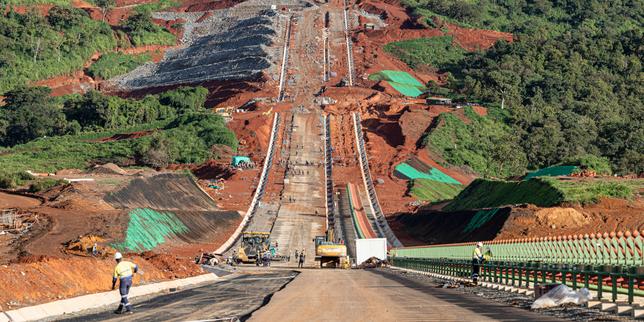
Refining critical minerals is a punishingly energy-intensive process. Converting raw lithium ore into battery-grade lithium sulfate or processing heavy rare earth elements requires massive, uninterrupted blocks of electrical power and millions of gallons of industrial water.
Consider a hypothetical mining operation in southern Africa attempting to comply with new local-beneficiation mandates. If the national grid suffers from chronic rolling blackouts and the local water table is strained by recurring droughts, building a multi-million-dollar processing facility becomes an economic impossibility.
Mining executives point out that prohibiting raw exports without first securing power infrastructure creates a policy deadlock. Ore piles up at mine gates, corporate cash flows dry up, and exploration budgets face immediate cuts.
Without adequate domestic smelting capacity, a blunt-force ban risks creating a black market. Smuggling operations quickly adapt to regulatory vacuums, moving high-value concentrates across porous borders where enforcement remains weak.
Regional Fragmentation Versus Continental Strategy
Individual nations moving in isolation weaken their own bargaining positions. If one country cuts off raw supply, international commodity traders often simply pivot to neighboring jurisdictions that have yet to implement similar curbs.
This fragmented approach allows multinational buyers to play producing nations against one another. Continental bodies like the African Continental Free Trade Area Secretariat recognize this vulnerability, pushing for unified regulatory frameworks and coordinated regional value chains.
Harmonizing export policies across borders ensures that mining capital cannot easily shop around for lax regulations. True industrialization requires shared infrastructure corridors, cross-border energy pooling, and joint ventures that aggregate enough raw material to justify the immense capital expenditure of a regional refinery.
Bilateral friction also intensifies as foreign nations scramble to secure supply. Traditional industrial powers and new manufacturing giants are dispatching diplomats to negotiate direct trade pacts, attempting to carve out exemptions or secure preferential access to future refined output.
The Financing Paradox
Building a modern refining facility requires deep, patient capital that commercial banks operating in high-risk emerging markets are rarely willing to deploy alone.
International financiers demand regulatory predictability and stable legal frameworks before committing billions of dollars to capital projects. Sudden, decree-based export bans, while understandable from a sovereignty perspective, often spook institutional lenders who fear sudden shifts in the rules of engagement.
To break this cycle, African mining ministries are experimenting with structured public-private partnerships, mandating state equity stakes through special-purpose vehicles while inviting foreign technological expertise.
This hybrid model attempts to balance state oversight with commercial realism. Governments provide the legal backing and resource security, while private consortia bring the engineering prowess and capital required to build the physical plants.
The success of these ventures depends entirely on execution speed. If bureaucratic inertia stalls project approvals, the window of opportunity presented by the global energy transition will narrow, leaving mineral-rich nations holding unrefined assets as alternative technologies emerge.
The push to reclaim mineral wealth marks a definitive turning point in economic history. Africa is no longer content to serve as the basement of the global technology economy.
Transforming raw sovereign leverage into lasting industrial prosperity requires more than a customs stamp at the border. It demands steel, concrete, kilowatts, and an unyielding commitment to building the domestic machinery of modern wealth generation.