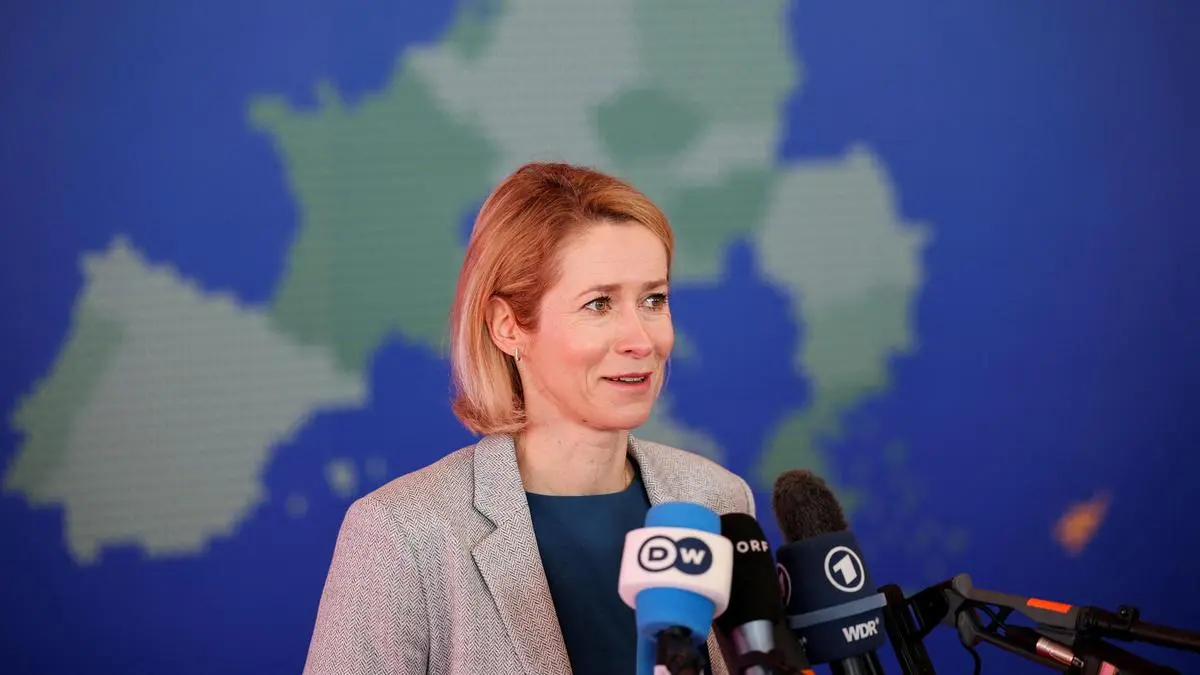
You can't eat principles, and you certainly can't run a power grid on them. That’s the reality facing Southeast Asian leaders today as the European Union’s foreign policy chief, Kaja Kallas, touches down in Brunei with a clear message: stop buying Russian oil. It sounds simple in a Brussels boardroom, but on the ground in Jakarta, Manila, and Bangkok, it’s a request that borders on the impossible.
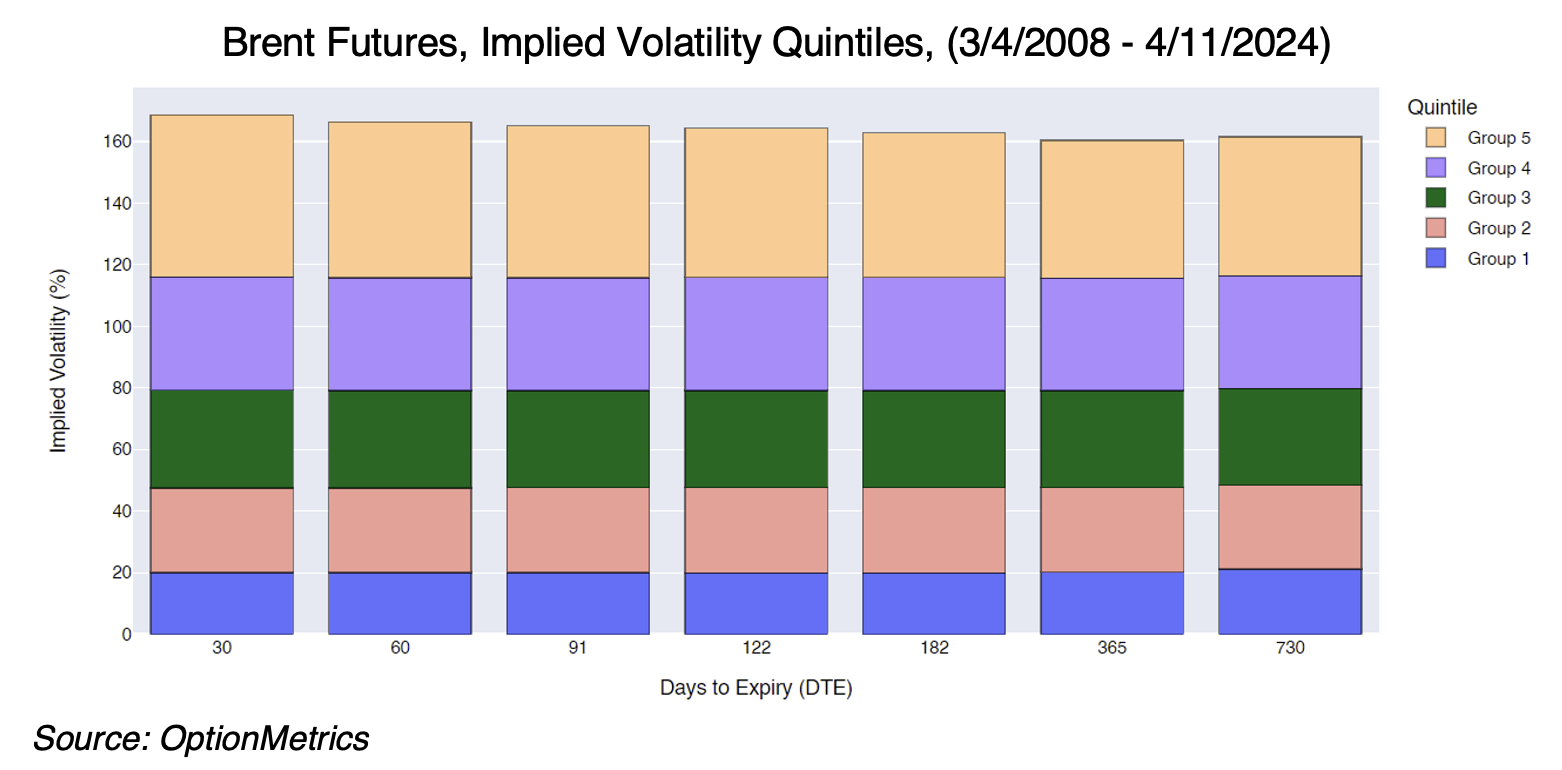
The EU is worried. They see Russia profiting from the chaos in the Middle East—specifically the war between the U.S., Israel, and Iran that has effectively choked off the Strait of Hormuz. With 20% of the world’s oil supply basically stuck behind a maritime blockade, prices have shot past $120 per barrel. For energy-hungry nations in the Association of Southeast Asian Nations (ASEAN), Russia isn't a pariah right now; it’s a lifeline. Recently making waves in related news: The Invisible Threads That Bind the Indian Factory Floor.
The Strait of Hormuz trap
The timing of the EU’s plea couldn't be worse. Since late February 2026, the Strait of Hormuz has been a no-go zone. After the U.S. and Israel launched strikes on Iran, the resulting closure of that narrow waterway basically cut the legs out from under global energy trade.
Southeast Asian nations traditionally rely on the Middle East for a massive chunk of their crude. When those tankers stopped moving, fuel shortages started hitting hard. I’m talking about rolling blackouts and gas lines that remind people of the 1970s. In this context, Kallas’s reminder that Russian oil revenues fund the war in Ukraine feels a bit like telling a starving person to check the organic certification of their bread. Additional information on this are explored by The Economist.
Russia is the only major producer currently sitting on surplus barrels and, more importantly, a way to get them to Asia via Pacific ports that don’t require passing through the Middle East. Moscow is winning by default, and Southeast Asia is just trying to keep the lights on.
Why the EU pressure is falling flat
Kallas met with ASEAN ministers in Brunei to advocate for "diversifying resources." But let's be real—diversifying usually means finding something cheaper or more reliable. Right now, there is no "elsewhere" that fits the bill.
The Philippines just took its first shipment of Russian crude in five years this March—around 750,000 barrels delivered to the Bataan refinery. Petron Corporation, their biggest refiner, followed up by snagging another 2.48 million barrels. Indonesia isn't sitting back either; they’ve reportedly agreed to import 150 million barrels of Russian crude this year.
- The Price Gap: Russian Urals crude often trades at a significant discount to Brent. When your economy is reeling from 2026's hyper-volatility, that $20 or $30 difference per barrel is the difference between economic growth and a national crisis.
- Infrastructure: Refineries in Vietnam and Thailand are specifically geared for the types of crude Russia provides. Switching to "alternatives" isn't just about signing a new contract; it often requires expensive technical overhauls that these countries can't afford mid-crisis.
The hypocrisy problem
There's a palpable sense of frustration in Southeast Asian capitals regarding Western demands. While the EU has officially moved to phase out Russian gas by 2027, they’ve spent the last two years outbidding developing nations for Liquefied Natural Gas (LNG) on the global spot market.
When Europe gets hit by an energy crunch, they use their deep pockets to secure supply, often driving prices so high that countries like Pakistan or Thailand get priced out. Now that Southeast Asia is finding its own solution in Russian markets, the EU is calling it a moral failure. It’s a tough pill to swallow.
A look at the numbers
| Country | Recent Russian Oil Activity |
|---|---|
| Philippines | Imported 750k barrels in March; 2.48m barrels pending. |
| Indonesia | Committed to 150 million barrels for 2026. |
| Vietnam | Actively negotiating new long-term supply contracts. |
| Thailand | Increasing spot market purchases to offset Middle East losses. |
Security vs. Sanctions
We need to talk about the "Shadow Fleet." Russia has spent years building a network of aging tankers with opaque ownership to bypass Western price caps. These ships are now the backbone of the trade with Asia.
The EU’s latest round of sanctions aims to tighten the screws on these vessels, but enforcement in the South China Sea is a nightmare. If a Russian tanker arrives at a port in Indonesia, the local government has zero incentive to turn it away. They aren't part of the G7 price cap agreement, and they don't view the Ukraine conflict through the same existential lens as someone in Poland or Estonia.
To them, the "West Asia East" crisis—the Iran-Israel conflict—is the immediate threat. It’s their backyard, or at least their primary supply line, that’s on fire. If Russia offers a fire extinguisher, they're going to take it, regardless of who's paying for the water.
What happens next
Don't expect ASEAN to release a joint statement promising to ditch Moscow. That’s not how they operate. They value "non-interference" and "strategic autonomy." You'll likely see them continue to nod politely at EU delegations while quietly signing off on more Russian tankers.
If you're watching the energy markets, keep an eye on the insurance and shipping sectors. That’s where the EU actually has some teeth. If they can make it legally or financially impossible for these tankers to dock, they might slow the flow. But as long as the Strait of Hormuz is blocked and Iran remains a combat zone, the pull of Russian oil will be too strong to ignore.
For businesses in the region, the play is simple: hedge your energy costs now. The volatility isn't going away, and the geopolitical tug-of-war between the West and Russia is only going to make local fuel prices more unpredictable. If you can lock in supply—from anywhere—do it.
The EU can urge all they want, but at $120 a barrel, the only thing that talks is the price tag.