Seasonal smoke across Southeast Asia drives households and clinics toward portable oxygen tanks and air purifiers because government air-quality controls and cross-border fire agreements routinely stall when dry winds arrive. In cities from Kuala Lumpur and Singapore to Chiang Mai and Jakarta, orange skies turn clean breathing into a private purchase. Families buy filters and cylinders on the spot. Politicians trade diplomatic statements while soot settles on rooftops and schools shutter their doors.
I have watched this cycle repeat for more than twenty years across the region. Every dry season brings the same press conferences, the same satellite maps, and the same spike in pharmacy receipts. Yet the market for home air purifiers and emergency oxygen tanks keeps expanding as if consumer hardware could outrun regional meteorology and land economics.
Buying a machine feels like taking control when the air outside turns thick and acrid. It is also a symptom of a broken public bargain. When states fail to stop large-scale peatland burning or enforce clear-air rules on agricultural supply chains, citizens turn their living rooms into bunkers and treat breathable air as a retail good.
The Economics of Panic in a Smoke Season
Retail spikes during severe haze follow a predictable arc. A sudden jump in particulate matter reading triggers headlines, school closures, and a rush on electronics stores and online marketplaces. Within days, entry-level air purifiers sell out, prices on popular models climb, and portable oxygen canisters appear next to cough syrups and surgical masks.
Manufacturers and distributors know this rhythm well. Supply chains in the region already move high volumes of consumer appliances, and brands keep regional stock ready for peak weather windows. When visibility drops across transboundary corridors, demand compresses into a few frantic weeks, turning seasonal distress into a high-margin sales surge.
A hypothetical example shows how quickly household budgets strain during a bad episode. Suppose a family of four in a mid-sized city rents a small apartment without central mechanical ventilation and buys two room air purifiers plus a few handheld oxygen cans. That outlay can equal a meaningful share of a month's wages, yet it only protects one or two rooms while doors open, children walk to transit stops, and outdoor workers breathe unfiltered air all shift.
What Hardware Can and Cannot Do
Consumer air purifiers help when used properly in a closed space. Units equipped with true HEPA filtration capture fine particles—including microscopic smoke specks smaller than 2.5 micrometers across—provided the room stays shut, the fan runs high enough for the room size, and the filter is not clogged or fake.
Counterfeit and underpowered devices flood spikes in demand. Buyers often grab sleek units with tiny filters that move too little air for a standard bedroom or rely on ionizers that generate unwanted indoor byproducts. Even a genuine filter loses efficiency fast during weeks of heavy smoke, leaving households with expensive plastic boxes and exhausted cartridges.
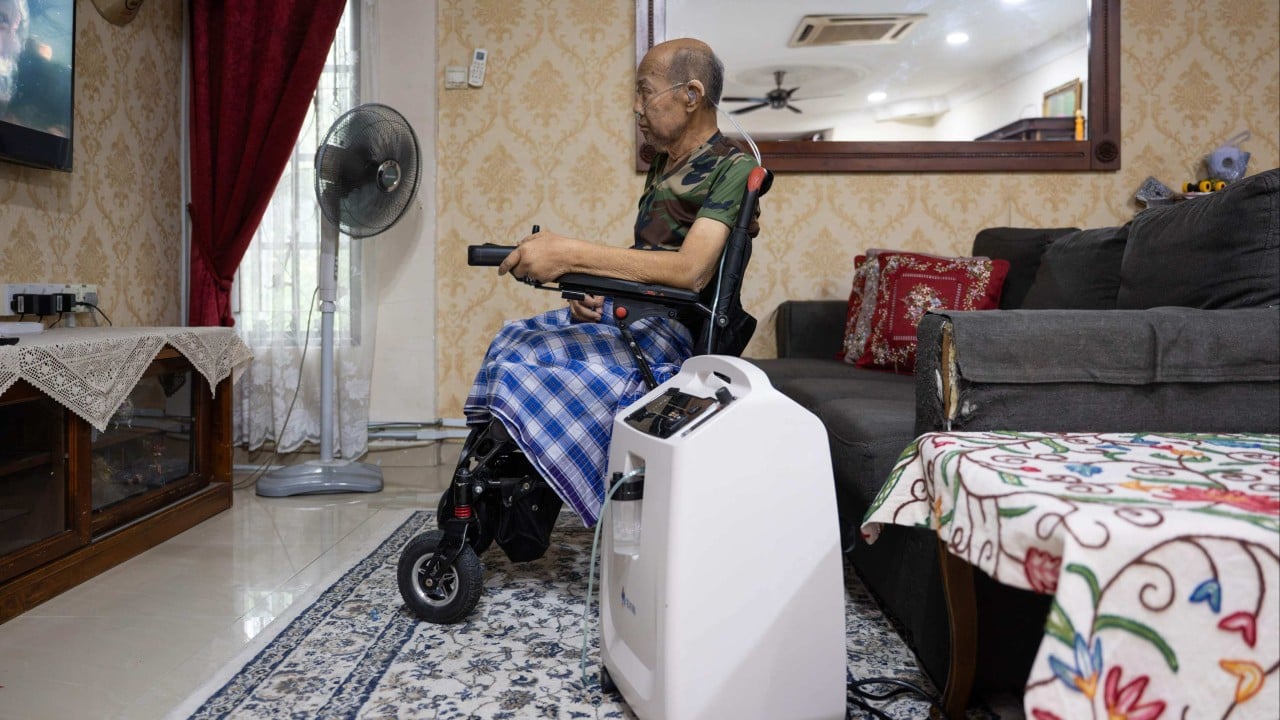
Portable oxygen tanks serve a much narrower clinical purpose than their sudden popularity suggests. Supplemental oxygen treats low blood oxygen under medical guidance, particularly for people with pre-existing heart or lung conditions. Using a recreational or emergency canister without a clear medical need does not clear smoke toxins from the bloodstream or replace proper medical care during acute respiratory distress.
Consider the gap between perception and physics. A room purifier cleans air inside a sealed box. It does nothing about carbon monoxide, irritant gases, or the cumulative strain of stepping outside into dense smoke every morning. Treating a filter or an oxygen canister as a complete shield confuses symptom management with risk elimination.
The Indoor Air Trap
Many households run purifiers while leaving windows cracked for heat relief. In warm climates without air conditioning, sealing a room can make indoor temperatures uncomfortable within an hour. People face a grim trade-off between heat stress and smoke exposure.
Filter Math Most Buyers Skip
Every purifier has a clean air delivery rate that matches a specific floor area and ceiling height. Buying a small unit for a large open living area creates false confidence. Replacement filters also carry recurring costs that buyers often ignore until the indicator light turns red and spare parts are out of stock.
Why Smoke Keeps Coming Back
Blaming weather alone lets decision-makers off the hook. El Nino and dry monsoon shifts make vegetation and drained peatlands easier to ignite, which intensifies smoke plumes. Still, dry weather is a recurring feature of tropical calendars, not an unexpected bolt from nowhere.
Land use sits at the heart of the crisis. Drained peat swamps store vast amounts of carbon and burn slowly underground, releasing thick, persistent smoke that travels hundreds of miles on seasonal winds. Clearing land cheaply for commercial plantations, timber, or small-scale farming remains attractive when enforcement is patchy and fines cost less than the land value gained.
Cross-border diplomacy has struggled to match the speed of the wind. Regional agreements on transboundary haze emphasize cooperation, information sharing, and national sovereignty over domestic land enforcement. When smoke crosses borders, finger-pointing often replaces binding accountability, leaving neighboring populations to absorb the fallout.
- Weak enforcement on the ground: Monitoring satellites spot hotspots quickly, yet turning coordinates into prosecutions, revoked concessions, and restored peat water tables takes years.
- Complex supply chains: Commodity buyers often sit far away from the exact plot where a fire starts, making traceability uneven across tiers of traders and processors.
- Unequal exposure: Outdoor laborers, delivery riders, street vendors, and low-income families without sealed housing bear the heaviest daily dose of toxic air.
- Short political memory: Once rains return and skies clear, public urgency fades and structural reforms lose momentum until the next dry spell.
Shifting Costs From Households to Polluters
A mature response stops treating clean air as a luxury gadget market. Public buildings—schools, clinics, elder care centers, and transit hubs—need reliable filtration and clean-air protocols built into standard operations rather than improvised during emergencies. Protecting vulnerable groups at scale is cheaper and fairer than leaving every family to guess which purifier works.
Real accountability requires hitting the financial incentives behind large-scale burning. Strict land concessions, transparent ownership registries, peatland rewetting targets, and real penalties for non-compliance change behavior far more reliably than seasonal warnings. When smoke imposes clear legal and financial costs on those who profit from reckless land clearing, prevention stops being optional.
Consumers still need practical self-defense during a smoke event. Check room dimensions against real airflow ratings, keep doors and windows tight when outdoor air quality worsens, wear well-fitting filtration masks outdoors when possible, and consult a doctor rather than relying on off-the-shelf oxygen canisters for general relief.
Every purifier sold during a haze emergency proves that people are willing to pay to protect their lungs. Governments will keep losing credibility until their policies match that urgency and stop the smoke before it ever leaves the ground.