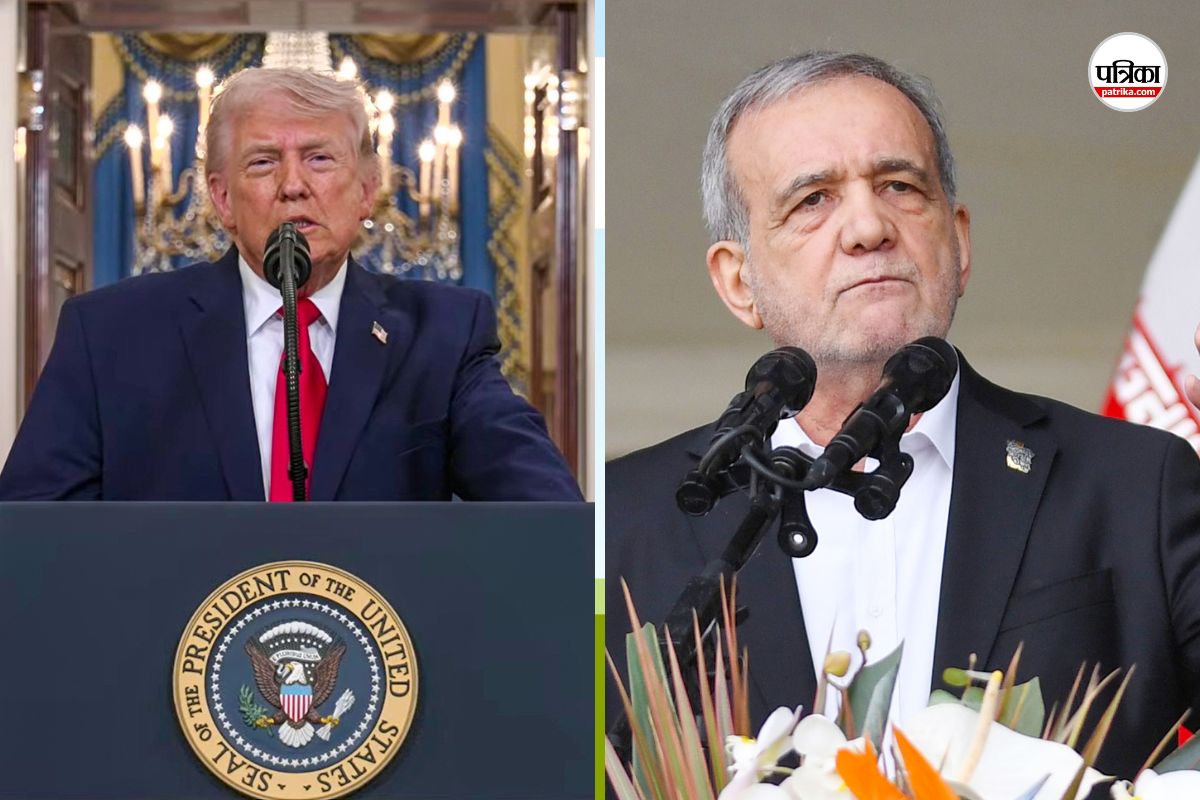
South Korea finds itself stuck in a diplomatic nightmare. It’s trying to play the hero by brokering a peace deal between Iran and the United States, but the stakes are much higher than simple diplomacy. This isn't just about regional peace. It's about billions of dollars in frozen assets and a desperate attempt by Seoul to stop being the middleman who keeps getting punched from both sides.
The tension has been simmering for years. When the US pulled out of the nuclear deal and slapped sanctions on Tehran, South Korea got caught in the crossfire. They ended up holding onto roughly $7 billion of Iranian oil money that they couldn't legally release without upsetting Washington. Tehran hasn't forgotten. They haven't forgiven either.
The billion dollar problem driving Seoul’s diplomacy
Money talks. In this case, it screams. Iran’s condition for clearing the air has always been transparently simple: give us our money back. South Korea recently managed to transfer some of these frozen funds through Qatar, which acted as a temporary release valve. But the underlying friction remains because the US keeps a tight leash on how that money is spent, insisting it only goes toward humanitarian goods like food and medicine.
Tehran hates this. They view it as their sovereign wealth being micromanaged by a foreign power. For South Korea, the situation is exhausting. They need Iranian oil and they want to maintain their massive construction and tech exports to the Middle East. At the same time, they can’t breathe without US military protection against North Korea. It’s a classic case of being trapped between a security guarantor and a vital economic partner.
Why Iran won't just say yes to the current terms
You can’t expect Iran to play nice just because South Korea is acting as a messenger. The leadership in Tehran has made it clear that they want "guarantees." They’ve seen how easily a US president can flip the script and tear up an agreement. To them, South Korea is often seen as a "satellite" of American interests rather than a neutral player.
- The Trust Deficit: Iran remembers the 2018 withdrawal from the JCPOA.
- The Tech Factor: South Korea wants to get Samsung and LG back into Iranian homes, but sanctions make this a legal minefield.
- The Regional Shift: With Saudi Arabia and Iran normalizing ties recently, Tehran feels it has more leverage now than it did three years ago.
The "condition" Tehran has set isn't just about the cash. It's about a permanent lifting of the threat of sanctions. They want a deal that doesn't evaporate the moment a new administration takes office in Washington. South Korea simply doesn't have the power to promise that. They're trying to sell a product they don't actually own.
South Korea's hidden motive for peace
Seoul isn't doing this out of the goodness of its heart. Their shipping lanes in the Strait of Hormuz are constantly at risk. When Iran seized a South Korean tanker, the MT Hankuk Chemi, back in 2021, it sent shockwaves through the Blue House. It was a blunt reminder that if Iran is unhappy, South Korean trade suffers immediately.
If South Korea can facilitate even a minor "freeze-for-freeze" agreement, they secure their own energy supply. They also gain massive political points on the world stage. They want to prove they are a "Global Pivotal State"—a term their current administration loves—that can handle more than just the North Korean threat. But honestly, they're playing with fire. If they lean too far toward Tehran, they risk a bipartisan backlash in the US Congress. If they stay too close to the US line, their ships might start disappearing in the Gulf again.
What a real breakthrough would actually look like
A real fix isn't going to happen through a few polite meetings in Seoul or Doha. For this to actually work, we'd need to see a massive shift in how the US Treasury views "non-sanctionable" trade. Right now, the compliance costs for South Korean banks are so high that most just refuse to handle any Iranian transactions at all. It's easier to say no than to risk a multi-billion dollar fine from New York regulators.
The "condition" set by Tehran—which essentially boils down to full financial sovereignty over their assets—is the ultimate sticking point. South Korea is trying to bridge a gap that is miles wide with a bridge made of paper.
Moving forward without getting burned
If you're watching this play out, don't expect a grand signing ceremony tomorrow. Watch the shipping insurance rates in the Gulf instead. Watch whether South Korea starts quietly increasing its "humanitarian" exports to Iran. That's where the real movement happens.
The next logical step for the South Korean government is to push for a specialized "Swiss-style" payment channel that is more robust than what currently exists. They need to convince the US that a stable Iran is better for global oil prices than a desperate one. For businesses, the move is to stay cautious. The legal framework hasn't changed, even if the rhetoric has softened. Stick to the humanitarian carve-outs and don't assume the $7 billion transfer means the floodgates are open. Diplomacy is slow, but the consequences of a mistake in this region are lightning fast.