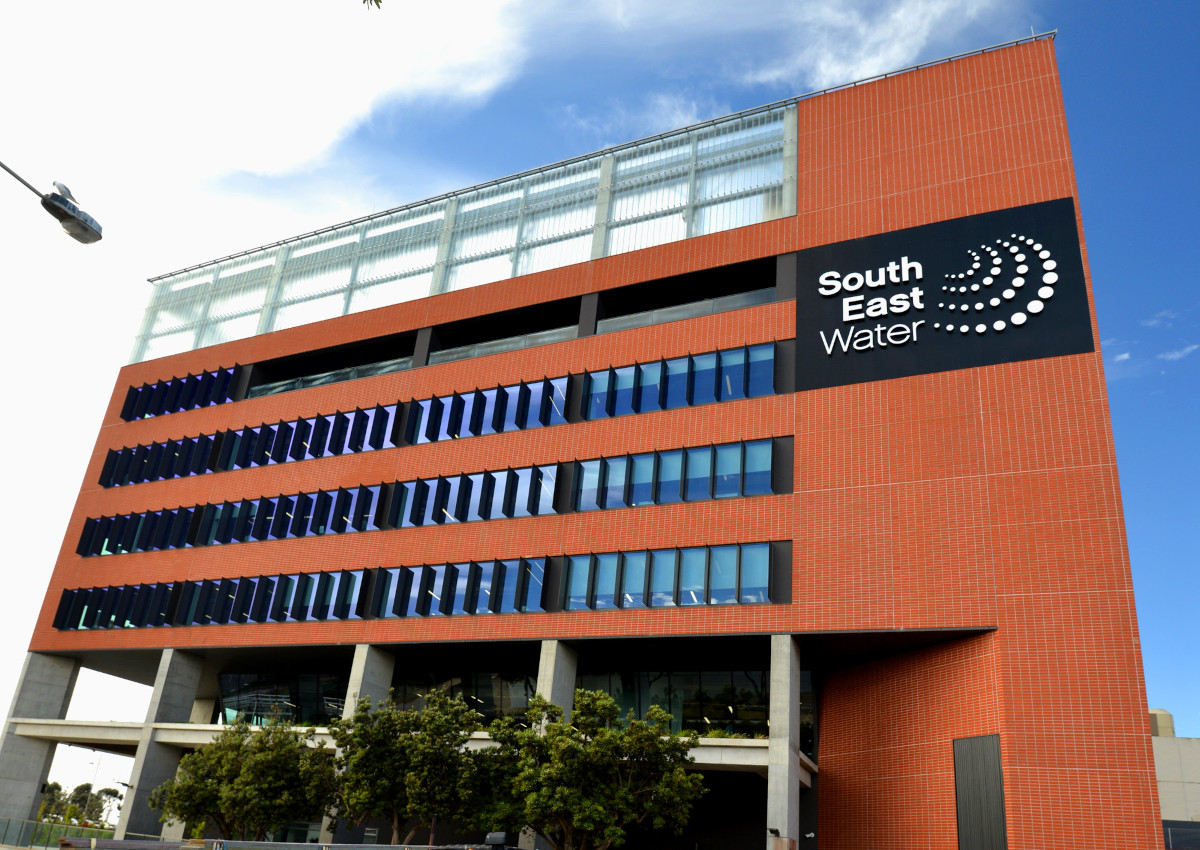
You shouldn't have to choose between a morning shower and a working toilet in 2026. Yet, for 286,000 people across Kent and Sussex, that choice was made for them by a company that simply didn't do its job. Ofwat's recent decision to slap South East Water with a £22.46 million fine isn't just about a big number on a balance sheet. It's a formal indictment of a system that's failing at its most basic level.
This isn't a one-off mistake. Between 2020 and 2023, South East Water presided over five major outages that left residents high and dry. The regulator's investigation found a pattern of "significant" failures that went far beyond bad luck with the weather.
Why the £22 million penalty is a long time coming
The fine represents roughly 8% of the company's turnover. While that sounds massive, critics like Feargal Sharkey have already called the move a "charade," arguing that fines don't actually fix the pipes. But the details within Ofwat’s enforcement order are what really matter. The regulator found that South East Water didn't just have leaky pipes; they had a management culture that lacked "ownership" of the problem.
Ofwat pointed to a complete failure to maintain "supply-system resilience." Basically, the company didn't have enough headroom. When demand spiked during a hot summer or pipes burst during a winter freeze-thaw, the system didn't just bend—it snapped.
Key failures identified by the regulator
- Lack of Resilience: The company didn't invest enough in "headroom," meaning they had no margin for error when things went wrong.
- Maintenance Neglect: Critical infrastructure like service reservoirs, boreholes, and major pipes were left to degrade.
- Poor Crisis Response: When the water stopped, the company’s reaction was described as "slow and disorganised."
- Failure to Learn: Even after the infamous "Beast from the East" in 2018, the company didn't update its playbooks to handle extreme weather.
The human cost of a dry tap
It’s easy to talk about "supply interruptions," but the reality is much grimmer. In Tunbridge Wells, some 24,000 properties were left without drinkable water for nearly two weeks in late 2025. People were forced to queue at "bottled water stations" like they were in a disaster movie.
Vulnerable residents on the Priority Services Register didn't always get the help they were promised. Some had to haul heavy crates of water themselves. This isn't just an inconvenience; it’s a public health risk and a massive mental health drain on the community.
Blaming the weather and working from home
One of the most frustrating parts of this saga has been the excuses. South East Water CEO David Hinton famously drew fire for suggesting that more people working from home was a factor in supply issues. The logic? If everyone is at home, they’re using more water in the local area than the old infrastructure was designed for.
While demand patterns have shifted since 2020, Ofwat isn't buying it as a total excuse. Other water companies face the same climate and the same "work from home" trends. South East Water is the outlier. They’ve consistently underperformed compared to their peers, and that’s why they’re the ones in the crosshairs now.
What happens to your bills now
You're probably wondering if you're going to end up paying this fine through your monthly direct debit. Ofwat has been very clear: the fine must be paid by the company, not the customers. It shouldn't show up on your bill.
However, there’s a catch. South East Water has already announced plans to raise prices by an average of 7% from April. While they’ll claim this is for "investment," it’s a bitter pill for customers who’ve spent the last few years fetching water from plastic bottles in car parks.
The legal battle isn't over
South East Water didn't take this lying down. They actually tried to get an injunction to stop Ofwat from even publishing the details of this fine. The High Court rejected that attempt, but the company is still pursuing a judicial review. They’re arguing that the regulator’s decision is flawed.
While the lawyers argue, the reality on the ground remains shaky. Ofwat has already opened another separate investigation into the outages that happened between November 2025 and January 2026. This means the £22 million could just be the start if they find the company breached its new "customer-focused" licence conditions.
What you should do if your water stops
Don't just wait for the company to offer help. You have rights under the Guaranteed Standards Scheme (GSS).
- Check for Automatic Payments: If your water is off for more than 12 hours, you're usually entitled to compensation. Most of the time, this should be automatic, but you need to check your account.
- Register as Vulnerable: If you have a medical condition or are elderly, make sure you're on the Priority Services Register. This legally obligates the company to provide you with bottled water directly during an outage.
- Document Everything: Keep a log of how long your supply was off and any extra costs you incurred. If the company refuses compensation, take your case to the Consumer Council for Water (CCW).
The era of water companies acting with impunity is starting to crack. This fine is a signal, but for the residents of Kent and Sussex, the real win will be the day they can turn on the tap and actually expect something to come out.
Stay updated on the public consultation for this fine, which stays open until April 13, 2026. You can submit your own feedback to Ofwat if you've been personally affected by these outages.