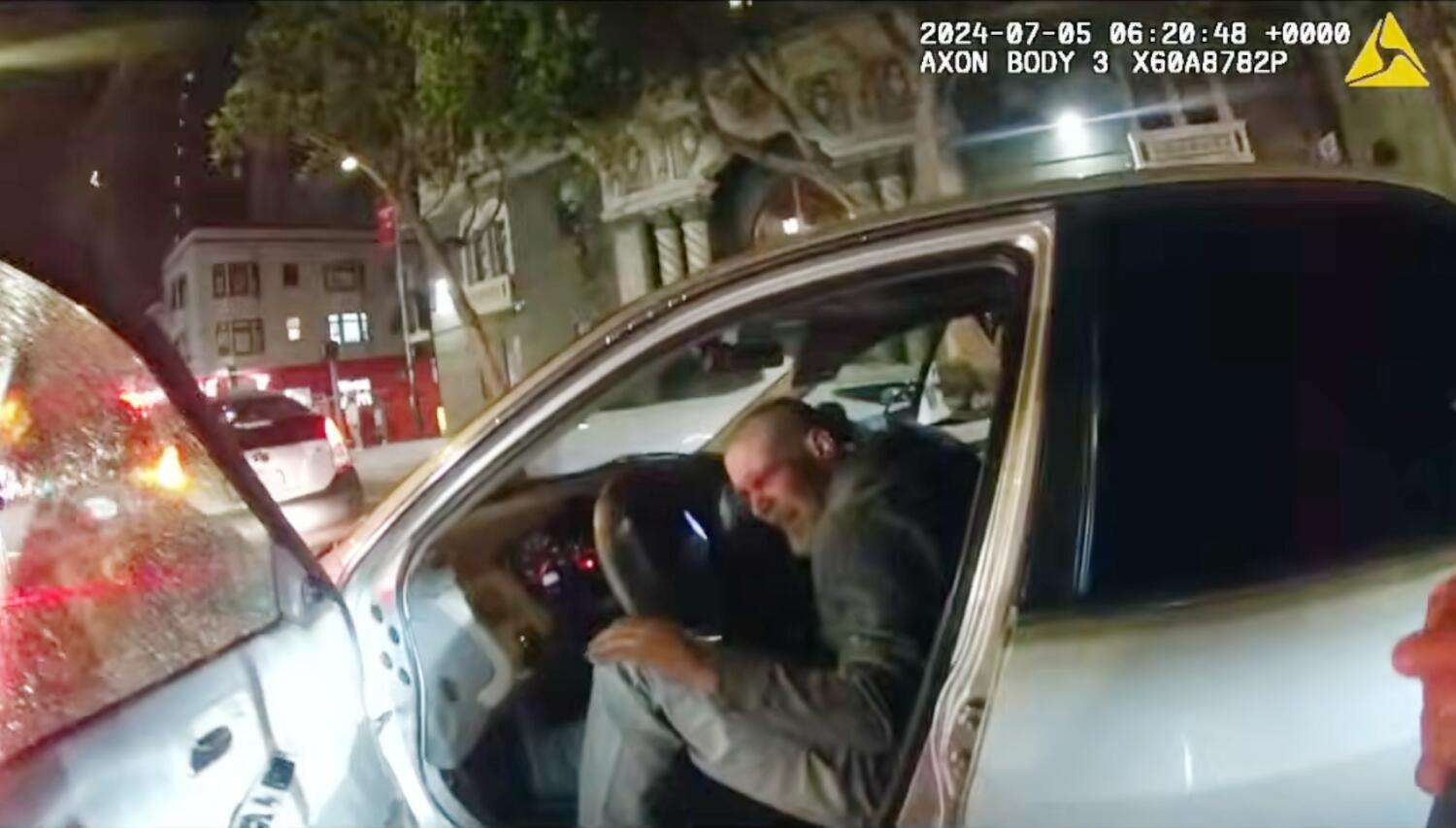
A single keystroke can alter reality. When law enforcement agencies mess up data entry, the consequences rarely land on the department. They land on random citizens who happen to match a phantom record.
Imagine driving down the street, minding your own business, and suddenly finding yourself staring down the barrels of police weapons. That is the nightmare reality faced by innocent motorists when administrative incompetence meets high-stakes policing. A tragic clerical error by the San Francisco Police Department turned an ordinary routine traffic stop into a terrifying violent ordeal. It proves that system vulnerabilities inside modern police databases represent a clear and present danger to public safety.
The Anatomy of a Departmental Blunder
Data entry errors happen every day in offices around the world. Usually, someone fixes a typo in a spreadsheet, laughs it off, and moves on. When a police officer makes a typo in a hot-file database, the fallout looks entirely different.
In this specific San Francisco incident, a minor clerical mistake transformed a completely innocent driver into an armed fugitive in the eyes of the computer system. Officers executing the stop relied entirely on the glowing screen inside their cruiser. They trusted the system. They trusted the data. But the data was fundamentally broken.
The driver did nothing wrong. The car was clean. The warrant attached to the license plate belonged to someone else entirely, generated out of thin air by a sloppy keystroke.
When you look at how police departments handle records management systems, the cracks in the foundation become glaringly obvious. Officers work under immense pressure. They rush through license plate lookups while navigating moving traffic. Dispatchers juggle dozens of concurrent radio feeds. Speed takes precedence over accuracy.
Yet, treating database entries with casual indifference carries catastrophic human costs. If an officer enters a single wrong digit into a National Crime Information Center or state database, the system flags a routine commuter as a high-risk felon.
The Terrifying Reality of High-Risk Vehicle Stops
Most civilians have zero idea what a high-risk traffic stop actually looks like in practice. Hollywood portrays these events with dramatic flair, but the real-world execution is stark, loud, and brutally aggressive.
When dispatch broadcasts that a vehicle is linked to a violent felony or stolen property, standard police protocols shift into a hyper-defensive posture. Officers draw their service weapons. They take cover behind their cruiser doors. They issue booming commands through a public address system, ordering the driver to step out of the car backward with hands visible.
Picture yourself in that driver seat. You drove out to pick up groceries or head to work. Seconds later, half a dozen armed officers scream orders at you. Every movement feels like a gamble with your life. One twitch, one misunderstood gesture, and bullets start flying.
This is what happened on the streets of San Francisco. The innocent driver was subjected to an aggressive takedown. Handcuffs went on tight. Freedom vanished in an instant because someone in an administrative chair hit the wrong letter on a keyboard hours or days earlier.
The psychological trauma of that experience lingers long after the handcuffs come off. Trust in public institutions evaporates the second a rifle points at your chest for no valid reason.
Why Tech Glitches and Human Error Are a Lethal Mix
Law enforcement agencies love to tout their advanced technology. They spend millions of dollars on automated license plate readers, predictive policing algorithms, and integrated mobile data terminals.
Technology only works as well as the human operating it. Garbage in equals garbage out. When you combine legacy software interfaces with exhausted personnel, mistakes become statistical certainties.
Many police databases still rely on clunky, outdated user interfaces designed decades ago. These systems lack basic modern error-checking protocols. If you try to enter an invalid format in a modern consumer app, it flags the error immediately. Many law enforcement portals allow officers to input mismatched alphanumeric strings without a second thought, cementing a ghost profile into the active registry.
Accountability remains virtually nonexistent for these administrative blunders. Internal reviews rarely result in meaningful systemic overhauls. The department apologizes, blames human error, and sweeps the incident under the rug while the victim deals with the aftermath alone.
Protecting Yourself When the System Fails
You cannot completely prevent a rogue computer entry from targeting your vehicle. You can, however, understand how to survive the encounter if it happens to you.
When law enforcement initiates a high-risk stop, your compliance dictates your survival. Keep your hands visible on the steering wheel immediately. Do not reach for your wallet, your phone, or the registration slip in the glove box unless explicitly commanded to do so. Move slowly. Speak calmly.
Let the officers clear the confusion on their end. Arguing on the roadside about database accuracy never works in the moment. The street is not a courtroom. Win the argument later through legal counsel after you make it home safely.
Once the dust settles, document everything. Request the body camera footage, the dispatch logs, and the internal incident reports. Hold the agency accountable through civil litigation if necessary. Financial penalties remain the only language bureaucratic institutions truly understand when systemic negligence threatens human lives.
Check your vehicle registration status regularly. Ensure your state DMV records match your actual physical documents to minimize the chances of an accidental flag. Stay vigilant out there because the technology tracking your movements is far from infallible.