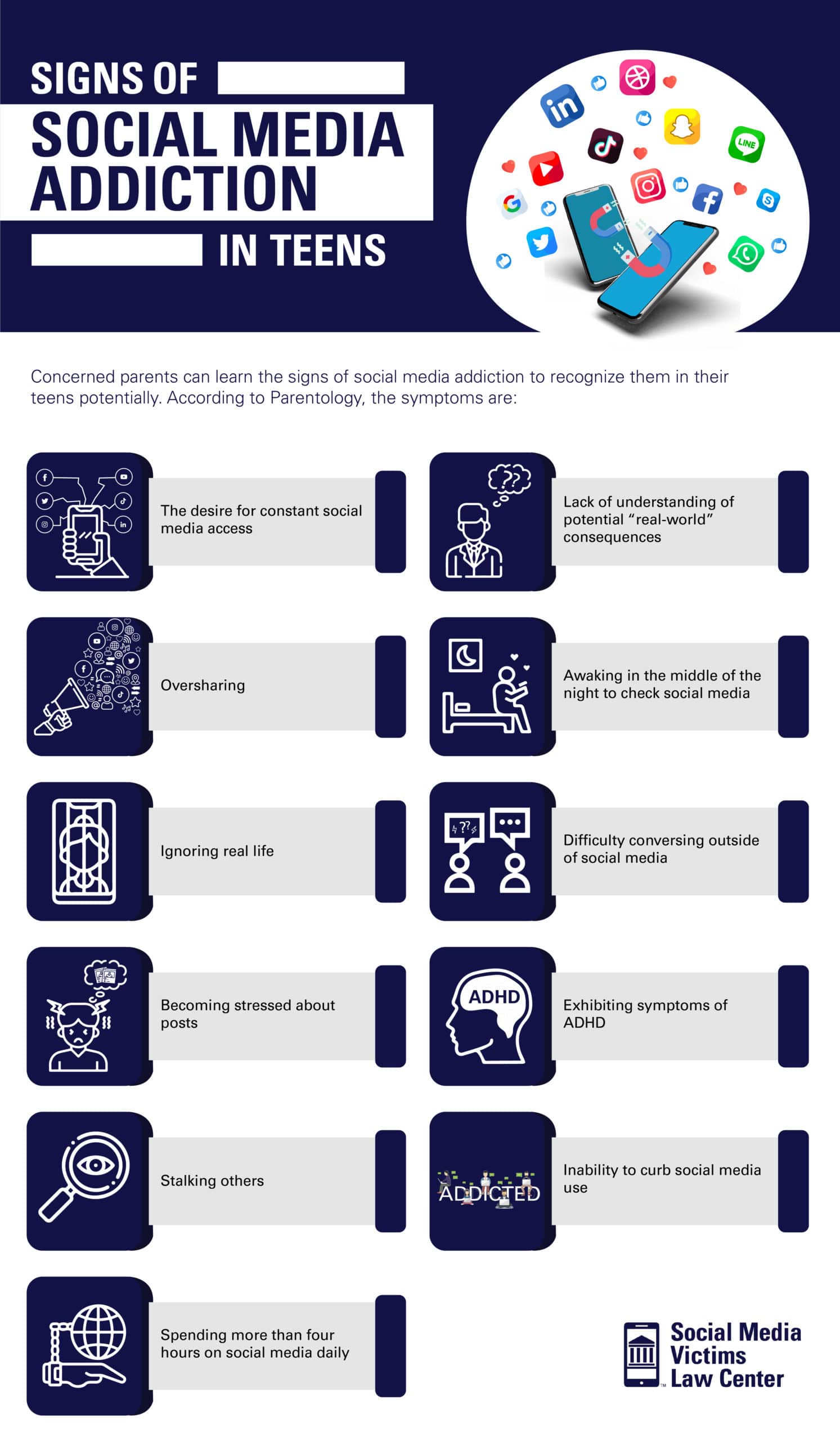
For decades, social media giants have hidden behind a legal fortress known as Section 230. This law, originally designed to protect fledgling internet companies from being sued for things their users posted, has become a suit of armor for trillion-dollar corporations. But a series of recent, back-to-back judicial rulings has signaled that the era of absolute immunity is over. Judges are no longer buying the argument that algorithmic manipulation is just "neutral hosting." Families who have lost children to lethal "challenges," fentanyl sales, and eating disorder content are finally getting their day in court because the legal system is starting to distinguish between a user’s speech and a company’s product design.
This shift isn't just about bad luck for Big Tech. It is a fundamental realignment of how the law views the "black box" of social media. When a platform’s code actively pushes self-harm content to a vulnerable thirteen-year-old, that isn't a free speech issue. It is a product defect.
The Design Flaw Doctrine
The central pivot in recent litigation revolves around Product Liability. Historically, tech lawyers argued that if a platform showed a child something dangerous, the platform was merely the "messenger." Under this logic, suing TikTok or Instagram was like suing a telephone company because someone used a landline to coordinate a crime.
Judges are starting to see the cracks in that analogy. A telephone doesn't listen to your conversation, determine you are depressed, and then automatically connect you to a suicide hotline or, worse, a group chat glorifying self-harm. Social media platforms do exactly that through predictive modeling.
In recent rulings, courts have allowed cases to proceed by focusing on specific design choices. These include:
- Engagement-based ranking that prioritizes sensational or dangerous content to keep users on the app longer.
- The lack of robust age verification, allowing children to bypass safety filters with ease.
- Disappearing message features that facilitate predatory behavior and drug sales without leaving a paper trail for parents or police.
- Notification bombardment designed to trigger dopamine hits, creating a physiological dependency that makes it impossible for minors to self-regulate.
By framing these as engineering decisions rather than editorial ones, plaintiffs have found a way around Section 230. If a car has a faulty ignition switch, the manufacturer is liable. If an app has a "faulty" algorithm that targets children with lethal content, the legal logic is now moving toward the same standard of accountability.
The Business of Addiction
To understand why these platforms failed to protect young users, you have to look at the balance sheet. Silicon Valley operates on a metric called Daily Active Users (DAU). The more time a user spends on the app, the more data can be harvested, and the more ads can be served.
Minors are the most valuable demographic because they are "sticky." If you capture a user at age twelve, you might have them for life. However, the adolescent brain is uniquely susceptible to the variable reward schedules used by these apps. Internal documents leaked over the years—most notably the Facebook Files—showed that companies were well aware of the mental health toll their products took on teenage girls. They knew Instagram was "toxic" for a significant percentage of its young female user base.
They didn't change the design. They tweaked the PR strategy.
The recent court victories for parents represent a failure of the industry to self-regulate. For years, tech executives stood before Congress promising better parental controls and more "safety centers." In reality, these tools were often buried deep in menus or required a level of technical literacy that many parents lacked. The "hope" parents feel now isn't just about winning a settlement; it’s about forcing a redesign of the digital environment.
The Algorithm is Not Your Friend
We often talk about "The Algorithm" as if it’s a weather pattern or a force of nature. It isn't. It is a set of instructions written by humans to achieve a specific goal. On most platforms, that goal is retention.
If a teenager clicks on one video about a "sad" song, the algorithm doesn't know if that child is having a bad day or a clinical crisis. It only knows that the child watched the video to the end. To ensure they watch the next video, it serves up something slightly more intense. This creates a "rabbit hole" effect. Within thirty minutes, a user can be led from a fitness tutorial to extreme caloric restriction content.
The defense has always been that they cannot possibly monitor billions of posts. That is true. But they can control what their algorithms promote. This distinction is the heart of the new legal battlefield. If a company can't safely moderate the content its own software chooses to amplify, then it shouldn't be allowed to amplify it.
The Duty of Care
What we are seeing is the birth of a Digital Duty of Care. In the physical world, a playground architect has a duty to ensure the equipment doesn't have sharp edges or 20-foot drops without railings. If a child gets hurt because the slide was made of razor blades, the architect can't claim they are protected by "free speech."
The tech industry is currently fighting this tooth and nail. Their primary counter-argument is that any regulation of algorithms will inevitably lead to censorship. They claim that if they are held liable for what they "recommend," they will simply stop recommending anything, ruining the user experience.
This is a hollow threat.
The industry has the talent and the capital to build safe systems. They simply don't want to bear the cost of doing so. It is cheaper to let a million "bad" interactions happen and pay a few legal fees than it is to fundamentally rebuild an architecture based on safety rather than addiction.
Beyond the Courtroom
While the back-to-back rulings are a massive win for litigation, they are only one piece of the puzzle. Legal battles take years. In the meantime, the technology is outstripping the law. The rise of generative AI means that "bad" content is no longer just being shared—it's being created at scale, specifically tailored to the psychological profile of the user.
Parents are tired of being told to "just take the phone away." In 2026, that is like telling a parent in 1950 to "just avoid the smog." The digital world is the world. Education, social life, and career opportunities are all tied to these platforms.
The real victory will come when these rulings trigger a regulatory cascade. We are already seeing states like California and Florida attempt to pass age-appropriate design codes. While some of these laws are clumsy and may face their own legal hurdles, the momentum is undeniable.
The era of "move fast and break things" has finally broken something too big to ignore: the safety of the next generation. The tech industry’s immunity was never supposed to be a license for negligence.
If you are a parent looking for the next step, do not wait for the Supreme Court to save your child. Start by demanding transparency reports that show exactly how your child’s data is being used to feed them recommendations. Use the current legal momentum to pressure local school boards and state representatives to treat social media access as a public health issue rather than a private hobby. The shield is cracked; now it is time to take it down.