The air in Addis Ababa used to taste permanently of exhaust. Drivers spent hours idling in fuel queues that spilled off the asphalt and stretched into the dust, victims of distant geopolitical shocks that choked the flow of imported oil. Balew Demissie, a university professor watching his monthly paycheck evaporate at the pump, finally snapped. He sold his combustion-engine vehicle and bought an electric car built thousands of miles away.
That single transaction represents something much larger than a personal vehicle upgrade. Across the continent, a quiet vehicular metamorphosis is taking root. According to the International Energy Agency, African EV sales more than doubled to roughly 25,000 units, and surged past 44,000 units from Chinese manufacturers alone shortly after. This is not a distant, speculative future dreamed up by corporate boardrooms. It is an urgent, pragmatic scramble for survival driven by volatile fuel prices and a desperate need for energy independence.
Consider what happens when a nation simply closes the door on traditional combustion. Ethiopia did precisely that, enacting a sweeping ban on the import of gasoline and diesel vehicles to staunch the hemorrhage of hard currency spent on foreign oil. Streets once dominated by choking minibuses now host a growing fleet of electric alternatives, backed by government goals aiming for hundreds of thousands of electric units on the road.
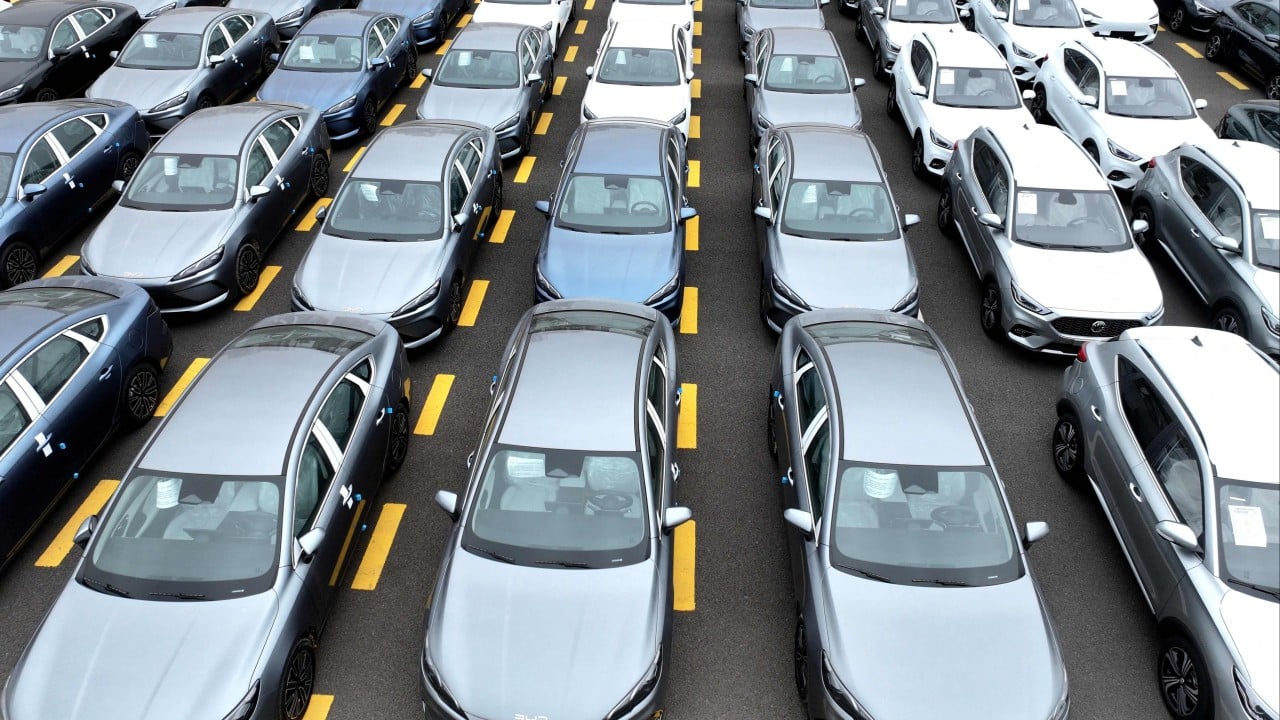
To understand why this wave wears a distinctly Chinese label, one must look at simple mathematics and industrial overflow. Domestic manufacturing capacity inside China reached saturation point, forcing an outward push that became entirely existential for local automakers facing fierce domestic price wars. Brands like BYD and GAC turned their gaze outward, finding eager markets in nations looking for affordable, accessible green mobility.
Prices tell the real story. When a private driver drops their monthly energy expenditure from a painful thirty dollars down to a negligible three or four dollars by charging an EV at home, abstract policy debates suddenly translate into household breathing room.
Yet, this shift is far from a simple export-import story. Shipping fully built cars across oceans is expensive and leaves local workers out of the equation. Recognizing this, the strategy is pivoting toward local soil. In South Africa, legacy manufacturing spaces are changing hands, as seen when Chery acquired Nissan’s plant near Pretoria to assemble battery-electric vehicles and hybrids locally. Morocco is rapidly carving out a parallel hub, anchored by massive battery component investments designed to feed both regional and international demand.
Skeptics point out obvious hurdles. Power grids remain fragile in places. Charging infrastructure outside major urban centers is sparse. Rugged regional terrain demands mechanical resilience that early electric models struggled to deliver.
Yet necessity is a ruthless inventor. Delivery companies are bypassing traditional fleets altogether, relying on electric motorcycles and three-wheelers to slice through congested city traffic affordably. Kenya is laying down an incentive-based welcome mat, waiving import duties for the first wave of incoming electric vehicles while state fleets begin transitioning to battery power.
The intersection of Chinese industrial overcapacity and Africa's hunger for energy security has created a heavy gravitational pull. It is messy, uneven, and laced with complex long-term dependencies. But out on the sun-baked avenues of Nairobi, Johannesburg, and Addis Ababa, the old roar of the combustion engine is steadily giving way to an unfamiliar, high-tech hum.
Chinese Tech Driving EV Boom Africa Can't Afford to Miss
This video provides an insightful breakdown of how affordable Chinese electric vehicle technology and local assembly efforts are directly fueling the e-mobility transformation across African markets.
http://googleusercontent.com/youtube_content/1