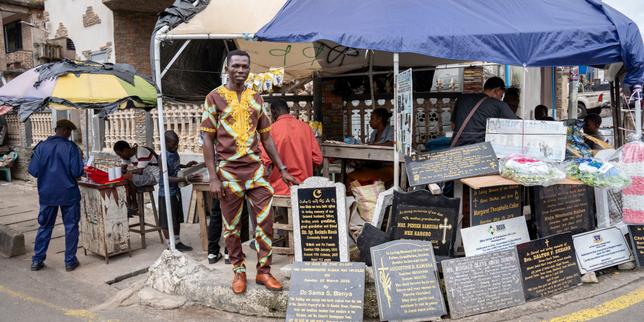
We live in a world where religious divisions spark endless conflict. Headlines constantly tell stories of sectarian violence, political polarization, and communities tearing themselves apart over faith. You see it across many regions. But if you travel to Sierra Leone, you find a completely different reality.
In Sierra Leone, Christians and Muslims don't just tolerate each other. They live together in genuine harmony. Families regularly mix faiths under a single roof. Holidays are shared celebrations rather than isolated events. While neighbors elsewhere fight, Sierra Leoneans show the world what coexistence actually looks like in practice.
The Reality of Interfaith Living in Freetown and Beyond
Walk down the streets of Freetown, and you will see mosques and churches standing side by side. This isn't a modern political stunt. It is a deep cultural tradition built over generations.
Interreligious marriage is completely normal here. It is common to find a Christian mother and a Muslim father raising children who participate in both religious traditions without friction. During Ramadan, Christian neighbors often help prepare meals for breaking the fast. When Christmas arrives, Muslim family members join in the festivities, sharing meals and gifts.
Government structures reflect this balance. Political leaders routinely balance religious representation to maintain peace. Public life operates on a mutual respect that is missing in many other parts of the world.
How Sierra Leone Built This Culture
Peace doesn't happen by accident. Sierra Leone endured a brutal civil conflict from 1991 to 2002. That war tore the country apart, but it did not divide people along religious lines. Both Christians and Muslims suffered equally. Both groups worked together through civil society organizations to demand peace.
Organizations like the Inter Religious Council of Sierra Leone played a massive role during the conflict. Religious leaders stood shoulder to shoulder to negotiate with warlords and push for disarmament. They proved that faith could be a tool for healing rather than a weapon for division.
When the war ended, citizens consciously chose unity over revenge or segregation. They recognized that sectarian strife would destroy any chance of national recovery.
What Other Nations Get Wrong About Diversity
Many countries try to manage diversity through strict segregation or heavy-handed state secularism. That often backfires. It builds walls instead of bridges.
Governments in other regions often treat different religious groups as voting blocks to manipulate for political gain. They exploit minor cultural differences to win elections. Sierra Leone avoids this trap because community bonds run much deeper than political party lines.
If you want to understand why this model works, look at social structures. Neighborhood solidarity trumps theological debates. People rely on their neighbors for daily survival, commerce, and mutual support. When survival depends on community trust, religious intolerance becomes an unaffordable luxury.
Challenges Beneath the Surface
Harmony does not mean total perfection. Sierra Leone faces significant economic hardships, youth unemployment, and infrastructural deficits. Poverty affects everyone regardless of religious background.
External pressures also exist. Global extremist groups attempt to spread radical ideologies across West Africa, preying on unemployed youth. So far, Sierra Leone's robust social fabric has resisted these recruitment efforts. Local communities remain vigilant against foreign actors trying to import sectarian hatred.
The real test lies in economic empowerment. If young people continue to struggle with joblessness, bad actors might find fertile ground for radicalization. Maintaining this peace requires ongoing investment in education and economic opportunity.
Practical Lessons From Sierra Leone
You can apply these lessons outside of West Africa. Building resilient communities requires intentional effort.
- Prioritize shared spaces: Communities thrive when public spaces welcome everyone equally.
- Support grassroots leadership: Local religious councils hold more influence over peace than distant politicians.
- Normalize dialogue: Talk openly about differences before tensions turn into conflicts.
Stop waiting for politicians to fix societal divisions. Start building bridges in your own neighborhood today. Engage with people who hold different beliefs. Focus on shared human values rather than doctrinal disagreements. Sierra Leone proves that peace is a choice communities make every single day.


