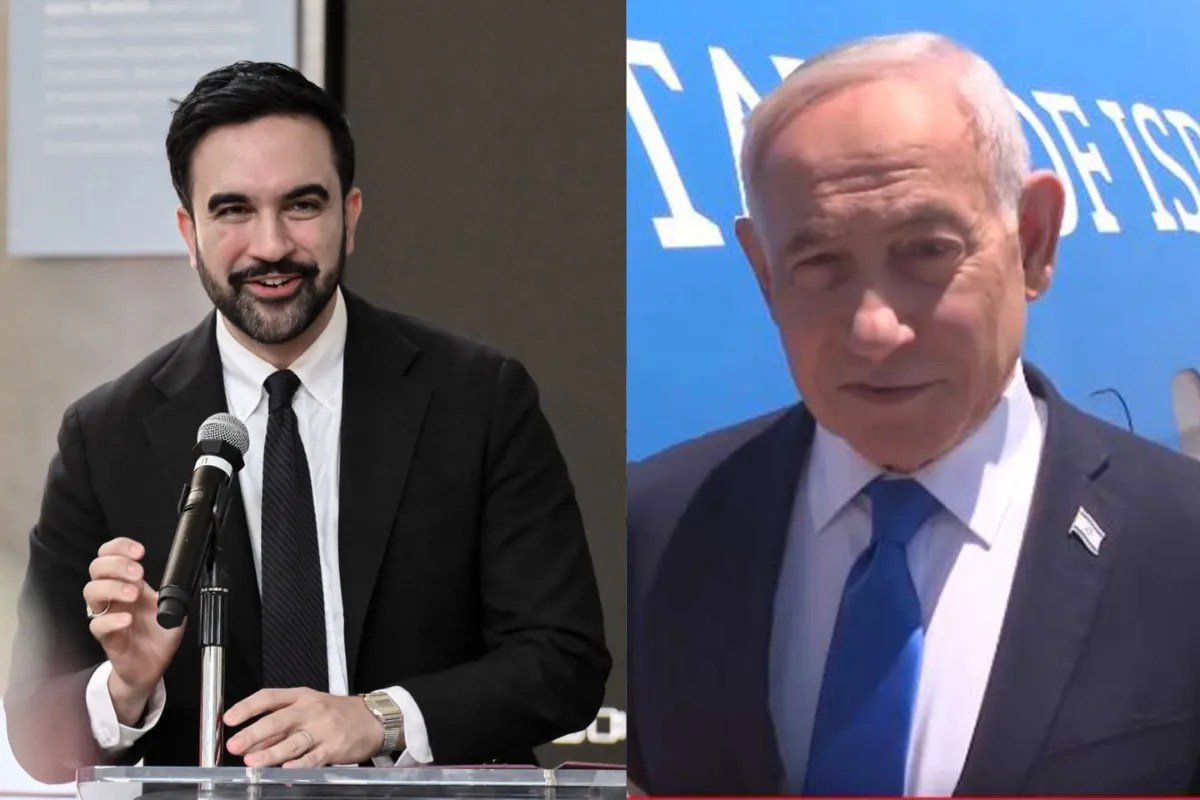
The political friction between New York City Mayor Zohran Mamdani and Israeli Prime Minister Benjamin Netanyahu isn't just another diplomatic spat. It's a high-stakes collision between local municipal leadership and international justice that has grabbed headlines worldwide.
If you've been wondering why these two figures are locked in a public war of words, the answer boils down to a fundamental disagreement over an International Criminal Court warrant, the conflict in Gaza, and who holds the legal power to act on global mandates. Let's break down what actually went down and why it matters right now.
The Spark That Lit the Fire
The confrontation escalated rapidly after Mayor Mamdani publicly stated that Netanyahu was a "war criminal" and declared that the Israeli leader was not welcome in New York City. Mamdani pointed directly to the arrest warrant issued by the International Criminal Court regarding military actions in Gaza, arguing that global accountability must be taken seriously.
During his previous campaign trail, Mamdani had suggested he would explore options to have local police execute such a warrant if Netanyahu set foot in the city. However, legal realities quickly set in. Facing the limits of municipal authority, Mamdani later clarified that local police lack the jurisdiction to carry out international warrants, instead urging the federal government to step in.
Netanyahu didn't stay quiet. Speaking in a television interview, the Israeli Prime Minister hit back hard. He accused Mamdani of "fomenting hate" and trying to divide New York's diverse communities rather than acting as a mayor for everyone, including the city's large Jewish population. Netanyahu confirmed he has zero intention of skipping the city. He announced plans to travel to New York in September to address the United Nations General Assembly, vowing to "fight for the truth of the Jewish people."
Can Local Leaders Actually Arrest Foreign Heads of State?
The short answer is no. Local authorities in New York City have no legal power to arrest a visiting foreign head of state or prime minister attending international diplomatic functions.
The United States is not a party to the International Criminal Court, meaning federal authorities do not recognize its enforcement jurisdiction on domestic soil. President Donald Trump quickly weighed in on social media to back this up, assuring the public that Netanyahu would face no such arrest threats while visiting the United States.
Diplomatic immunity and federal supremacy completely override local political declarations. Even though Mamdani doubled down on his moral stance, legal experts agree that municipal leaders cannot override federal foreign policy or international protocol.
Why This Global Clash Impacts Daily Life in New York
New York City houses the second-largest Jewish population in the world alongside massive Muslim and Arab communities. When international conflicts play out on the steps of City Hall, the tension bleeds directly into local neighborhoods.
Netanyahu pointed out that many Jewish New Yorkers currently feel anxious and unsafe amid rising hate crimes and polarized local politics. On the flip side, Mamdani's supporters argue that calling out alleged human rights abuses is a matter of moral clarity and standing up for international law.
Balancing free speech, public protest, and the safety of every resident remains an ongoing challenge for city leadership. Whether you support the mayor's hardline stance or view it as dangerous political posturing, this feud highlights just how fast global geopolitics can reshape local governance.
Check your local news updates ahead of the upcoming United Nations General Assembly in September to track how security arrangements unfold for the high-profile visit.


