The coffee in the porcelain cup was cooling, the radio on the kitchen counter was humming with static, and somewhere across an ocean, a calculation was being made that could alter the trajectory of millions of lives. When a leader says a conflict will be brief, history usually holds its breath. We have heard this script before. It is written in the ink of quick victories promised by men in pressed suits who will never smell the cordite or taste the desert dust.
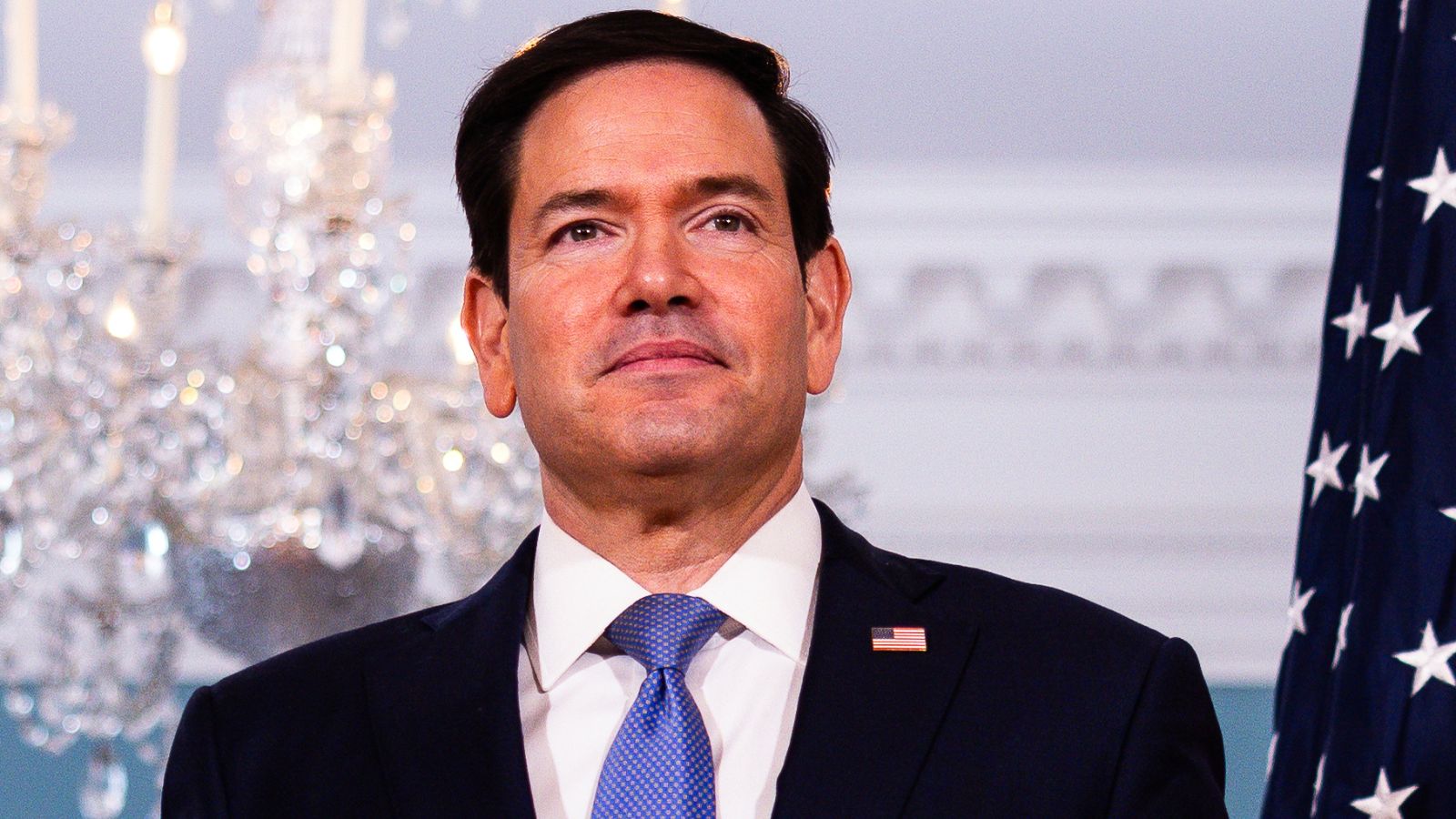
Consider the anatomy of a reassurance. When Donald Trump addressed the prospect of potential military action involving Iran, his framing relied on a familiar shorthand. Short-lived. Limited. Contained. These are words designed to soothe markets, to pacify restless voters, and to draw a neat psychological boundary around chaos. They project a sense of absolute control over variables that are inherently volatile. But war is not a light switch. You can flip it with a single authoritative command, yet the darkness that pours out afterward rarely obeys a simple off switch.
To understand why a short strike is a dangerous illusion, we have to look past the podium and into the mechanics of escalation. In geopolitical strategy, actions do not exist in vacuums. They exist in chains of reaction.
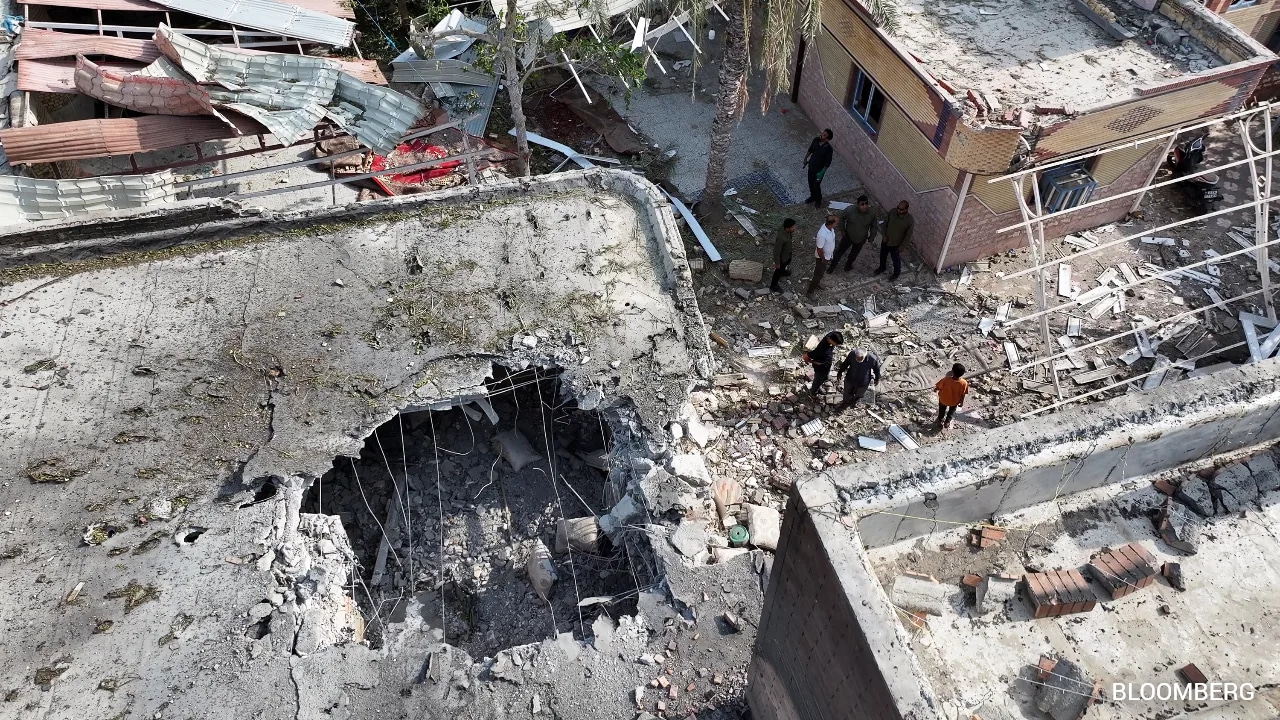
Let us walk through a hypothetical scenario, keeping strictly to the known patterns of modern statecraft. Imagine a targeted missile strike against strategic infrastructure. On paper, it takes hours. The jets launch from carrier decks or allied bases, streak across the night sky, deliver their payloads with terrifying precision, and return before dawn. To the casual observer watching a 24-hour news feed, the operation is a success. The box is checked.
Yet, down on the ground in the region, the math looks entirely different.
In Tehran, a command structure that has spent decades preparing for asymmetrical warfare does not simply fold its hands and accept a bloody nose. Proxies activate. Shipping lanes in the Strait of Hormuz, through which a massive fraction of global energy supplies flows, face immediate disruption. Cyberattacks target financial institutions or critical utilities thousands of miles away from the initial flashpoint. Suddenly, the local skirmish metastasizes into an economic shockwave. The cost of a gallon of gasoline spikes in suburban Ohio. Supply chains stutter. The short war has already arrived at your local grocery store.
This disconnect between the pristine vision of military planners and the messy reality on the ground is where the true cost hides.
We cling to the fantasy of the surgical strike because the alternative is too heavy to carry. The alternative requires acknowledging that modern conflicts are complex webs of alliances, digital battlegrounds, and deep-seated historical grievances that cannot be bombed into submission or resolved within a convenient news cycle. When leaders speak of quick engagements, they are often describing the beginning of a story they do not know how to finish.
The public knows this hesitation well. We feel it in our bones whenever the drums of war start beating on the evening broadcast. There is an exhaustion that comes with watching the same cycle repeat across decades. We remember the promises of swift interventions in other deserts, other valleys, other capitals. We remember how quickly a two-week operation turns into a multi-year entanglement.
Doubt is not unpatriotic. Doubt is simply memory at work.
When evaluating statements about brief military interventions, the burden of proof rests entirely on the architects of conflict. History teaches us that the duration of a war is rarely determined by the side that starts it. It is dictated by the stubborn resilience of the side that absorbs the blow and decides how to answer.
The cup of coffee is cold now. The radio hums on. Somewhere miles above the earth, satellites track coordinates while leaders measure time in campaign cycles and news cycles. But down here, where the actual weight of these decisions is borne, we know a different truth. The hardest part of a war is never starting it. It is surviving the aftermath of a promise that could not be kept.