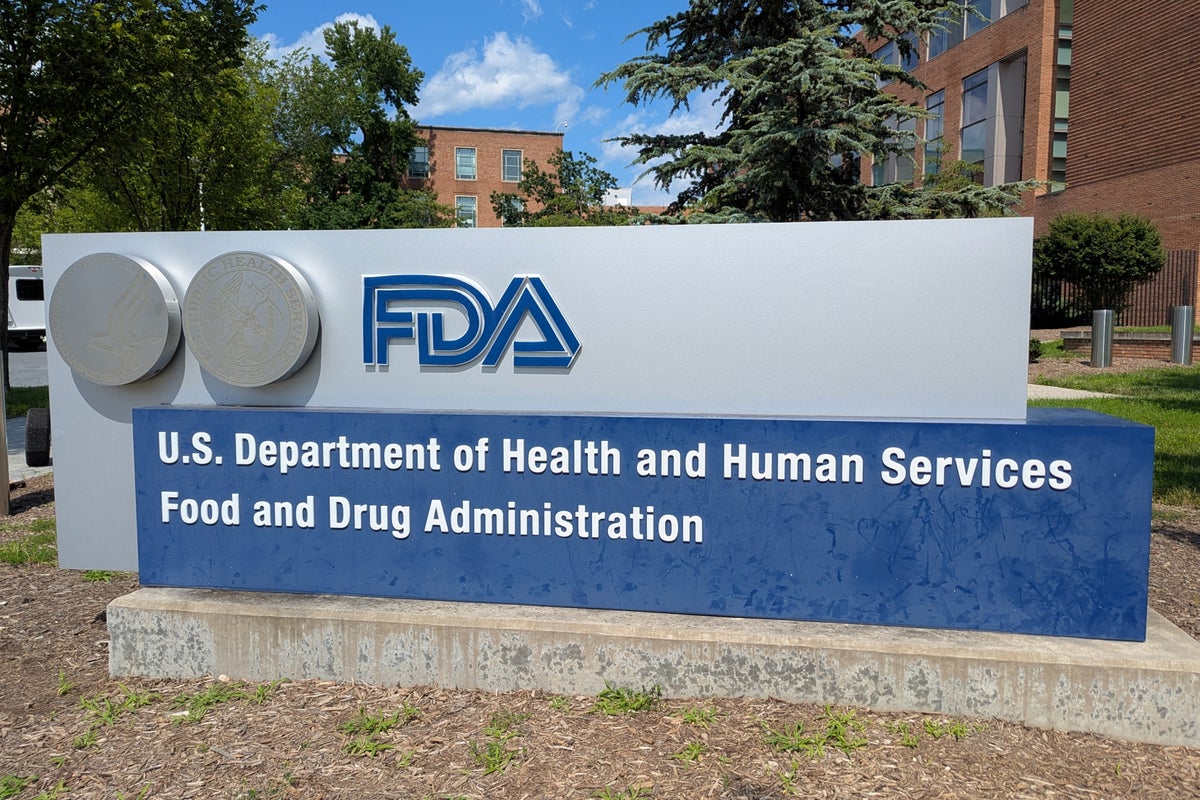
The headlines are screaming about a "potential" ban on electrical stimulation devices (ESDs). They frame it as a political victory. They treat it like a complex debate between safety and necessity. They are lying to you.
There is no debate. There is only a systemic failure of the FDA and a terrifying lapse in basic human rights that has been allowed to fester under the guise of "treatment" for half a century. If you think this is a story about a specific administration finally doing the right thing, you’ve missed the point entirely. This is a story about how the United States government allowed a single institution in Massachusetts to torture disabled children while the rest of the world looked on in horror. If you enjoyed this piece, you should read: this related article.
The Myth of the "Treatment of Last Resort"
Proponents of skin shock therapy—primarily those associated with the Judge Rotenberg Center (JRC)—rely on a singular, desperate narrative: this is for the "worst of the worst." They claim these shocks prevent self-mutilation and aggression when all other medications and therapies fail.
It’s a seductive lie. It suggests a binary choice between a shock and a tragedy. But look at the data. The JRC is the only facility in the country that still uses these devices. If these shocks were a medical necessity for the most "difficult" cases, why isn't every major psychiatric hospital and autism center in the world clamoring for them? For another look on this development, check out the latest coverage from Medical News Today.
They aren't. Because the "treatment" isn't medical; it's a relic of a discarded behavioral theory. We are talking about the Graduated Electronic Decelerator (GED). This device delivers a shock of up to 41 milliamps. For context, a standard police Taser delivers roughly 2 to 3 milliamps. We are subjecting autistic brains—brains already hypersensitive to sensory input—to a current that would drop a grown man in his tracks.
Behavioral Control vs. Neurological Support
The "lazy consensus" in newsrooms is that this is a "controversial therapy." Calling skin shocks "therapy" is like calling a gag "speech coaching." It operates on the Skinnerian premise that humans are merely sets of inputs and outputs. If an output is bad, apply a painful enough input until it stops.
This ignores everything we have learned about neurology in the last forty years. Autistic "maladaptive behaviors" are almost always communication. They are expressions of sensory overload, pain, or frustration from an inability to process an environment. When you shock a child for banging their head, you aren't treating the cause of the head-banging. You are just teaching them that their environment is even more hostile and unpredictable than they already feared.
I have spoken with clinicians who have spent decades de-escalating the most intense behaviors imaginable without ever reaching for an electrode. They don't use shocks because shocks are a failure of imagination. They are the easy way out for a facility that refuses to invest in the high-ratio, human-centric staffing required to actually support someone in crisis.
The Regulatory Merry-Go-Round
The FDA first proposed a ban on these devices in 2016. It is now 2026. Ten years of "kicking the issue down the road" isn't a bureaucratic delay; it’s a moral catastrophe.
The legal gymnastics used to keep these devices active are breathtaking. The JRC sued the FDA, claiming the agency didn't have the authority to ban a "medical practice." In 2021, a federal court actually agreed with them, effectively saying the FDA can regulate the device but not how a doctor chooses to use it. This created a loophole large enough to drive a shock-delivery van through.
Congress finally had to step in to clarify that the FDA does, in fact, have the power to ban specific uses of devices that pose an unreasonable risk of injury or illness. But even now, the "may finally make it illegal" language in the press is a hedge. It allows for more appeals, more delays, and more children being burned by GEDs while lawyers bill by the hour.
The Cost of the "Nuanced" Approach
People love to ask, "But what about the parents who say it saved their child's life?"
This is where the conversation gets uncomfortable. We have to be honest about the trauma of the caregivers. Raising a child with severe, self-injurious behavior is an exhausting, soul-crushing marathon. When a facility tells a desperate parent, "This is the only way," the parent often believes them because they have to.
But anecdotal relief from a parent does not negate the documented PTSD of the survivors. Former residents of the JRC have testified about living in a constant state of "hyper-vigilance," never knowing when a loud noise or a misunderstood gesture would result in a skin-searing blast. This isn't healthcare. It's a hostage situation where the victim eventually stops screaming because they've lost their voice.
The Market for Torture
Let’s talk about the money. The JRC isn't a small, struggling non-profit. It is a massive operation funded by taxpayer dollars. Some states pay over $200,000 per year, per student, to send residents there.
When you have that kind of revenue, you can afford the best lobbyists. You can afford to keep the FDA tied up in court for a decade. The "status quo" isn't maintained because it's effective; it's maintained because it's a business model. If the GED is banned, the JRC has to fundamentally change its entire staffing structure and philosophy. That’s expensive. It’s much cheaper to just keep shocking people.
The Global Perspective
The United Nations Special Rapporteur on Torture has explicitly stated that the use of these devices at the JRC violates the UN Convention against Torture. Read that again. We are the only developed nation on earth that permits this. We lecture other countries on human rights while allowing "therapeutic" torture in our own backyard.
If a prison used these devices on inmates, there would be riots. If a dog trainer used them on a puppy, they would be arrested for animal cruelty. But if you label it "behavioral modification" for an autistic teenager, suddenly it’s a "complex issue with two sides."
Why the Ban Isn't Enough
Banning the device is the bare minimum. If we stop at the ban, we fail. The real challenge is addressing the vacuum that remains. We have a systemic shortage of facilities that are equipped to handle high-acuity neurodivergence with dignity.
We need to pivot from "control" to "support." This means:
- Sensory-first environments: Designing spaces that don't trigger the meltdowns in the first place.
- Communication parity: Giving every non-verbal individual the robust AAC (Augmentative and Alternative Communication) tools they need to express frustration before it turns into aggression.
- Staffing ratios: Moving from 1:10 to 2:1 or even 3:1 for the most vulnerable individuals.
The GED is a band-aid made of barbed wire. It was designed to suppress, not to heal.
Stop looking for a political hero to sign a piece of paper. The fact that the paper hasn't been signed yet is a permanent stain on the American medical establishment. We don't need a "nuanced discussion" about whether it's okay to shock disabled kids. We need to shut the doors on any institution that thinks pain is a pedagogy.
The ban shouldn't be a headline. It should have been a footnote in a history book thirty years ago. Every day the GED remains legal is a day we admit that we value the convenience of the state over the bodily autonomy of the individual.
Shut it down. Not tomorrow. Not after the next election. Now.