The air in the Gulf smells of salt, refined fuel, and a quiet, persistent dread.
Standing on a concrete balcony in Abu Dhabi, looking out toward the hazy horizon where the blue water meets an unyielding sky, you can almost forget. You can watch the cranes lift steel for the next glittering skyscraper. You can listen to the hum of traffic rushing down Sheikh Zayed Road. You can pretend that the modern miracle carved out of the desert is permanent.
Then, the morning news crackles to life.
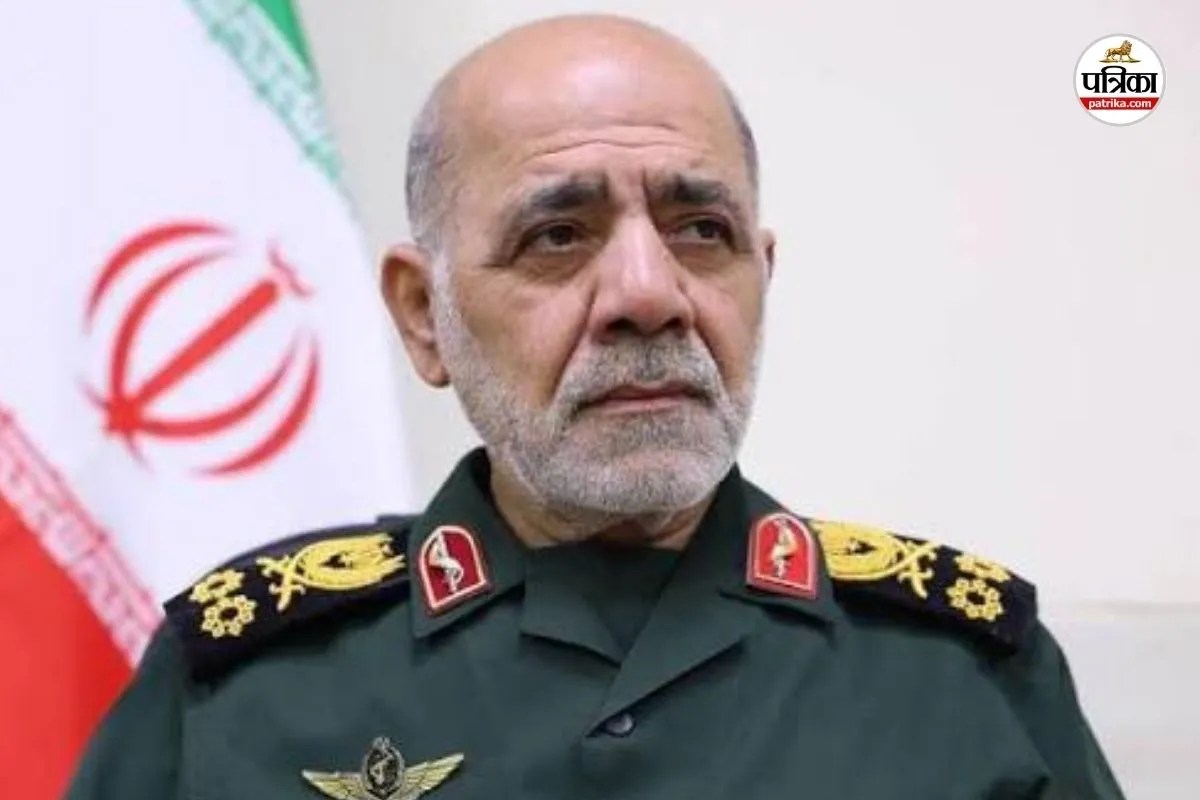
Tehran has spoken again. The message is not diplomatic code or ambiguous ministerial phrasing. It is a blunt instrument. A warning carved into the geopolitical stone. Any nation in the region that opens its airspace, its harbors, or its soil to a foreign shield will find itself caught in the crossfire.
Silence follows. A heavy, suffocating silence.
To understand what this means, you have to look past the crisp suits of international summit rooms and down to the docks, the refineries, and the ordinary families who simply want to wake up, go to work, and watch their children grow. Geopolitics is often taught as a game of chess played by distant grandmasters. But the board is made of flesh and blood.
The Geography of a Fuse
History teaches us that geography is destiny. The Middle East sits at the crossroads of ancient trade routes and modern energy arteries. Every tanker slipping through the Strait of Hormuz carries the lifeblood of global industry.
Imagine a hypothetical merchant vessel, let us call her the Al-Noor, cutting through the dark water under a canopy of stars. Aboard is a chief engineer named Tariq, a man with twenty years at sea who has weathered storms that would turn iron vessels inside out. Tariq does not care about doctrine or deterrence. He cares about his engine pressure, his crew's safety, and getting home to his daughter in Muscat to celebrate her tenth birthday.
Yet, Tariq’s world is shrinking.
When regional capitals align their defense systems with Washington, they believe they are putting up an umbrella against the storm. They are buying Patriot batteries. They are hosting radar installations. They are calculating that an ironclad security architecture will deter aggression before it starts.
Tehran looks at those same installations and sees a loaded weapon pointed at its heart.
Action meets reaction. Physics governs nations just as it governs falling bodies. Every defensive shield deployed to protect an allied capital is interpreted by the Islamic Republic as a staging ground for offensive reach. The line between defense and provocation blurs until it vanishes entirely.
The Cost of Choosing a Side
For decades, the nations bridging the Persian Gulf and the broader Middle East have walked a diplomatic tightrope. They have traded with East and West, managed rivalries with quiet pragmatism, and tried to build economic havens amid chronic instability.
Now, that tightrope is fraying.
The recent warning from Iranian officials is a stark demand for non-alignment delivered at gunpoint. It tells neighboring governments that neutrality is no longer an option. If you harbor the shield, you share the target.
Consider the economic reality. These are nations that spent billions transforming themselves into global financial hubs, tourism capitals, and logistics powerhouses. Investors do not pour capital into war zones. Tourists do not book hotels where air defense sirens wail at midnight. A single major escalation—a stray missile, a blocked strait, a retaliatory strike on critical infrastructure—can turn a booming metropolis into a ghost town overnight.
When leaders in Riyadh, Doha, Abu Dhabi, or Manama weigh their security partnerships with the United States, they are not engaging in abstract philosophical debates. They are balancing survival against survival. On one side, the risk of alienating a superpower that has guaranteed regional security for generations. On the other side, the immediate, catastrophic danger of becoming the primary theater for a war that nobody can win.
Living in the Crosshairs
I remember talking to a shopkeeper in a dusty market alley years ago, a man who had survived three distinct conflicts in his lifetime. He told me something that has stuck with me through every diplomatic crisis since.
"The elephants fight," he said, pouring dark, cardamom-scented coffee into a small glass. "And the grass gets crushed. We are the grass."
That sentiment is echoing through the corridors of power right now. Ordinary citizens across the region are watching the news tickers with a knot in their stomachs. They are not asking who is right or who is wrong in the halls of the United Nations. They are wondering if their schools will close, if their flights will be grounded, if the lights will stay on.
The US-Iran conflict has entered a volatile new phase where rhetoric is sharper and the margins for error are thinner than ever. Every diplomatic misstep, every provocative military exercise, every unyielding statement pushes the region closer to the precipice.
The warning issued to America’s regional partners is not just diplomatic posturing. It is a terrifying preview of what happens when local geography becomes collateral damage in a global chess match.
The sun dips below the desert dunes, casting long, bruised shadows across the asphalt. Out on the water, the tankers keep moving, their crews watching the horizon, waiting to see which way the wind will blow.