The map in the operations room never sleeps. Lines of light stretch across the Pacific, thin electronic threads connecting capitals that distrust one another yet cannot look away. Distance used to mean safety. Oceans used to be moats. Today, a diplomat stepping onto a tarmac in Beijing changes the geopolitical weather nine thousand miles away in Washington, shifting the air pressure in rooms where quiet men decide who gets to buy what.
Picture a gray morning inside an embassy corridor. The smell of cheap filter coffee mixes with old paper. A diplomat adjusts his tie, checks his watch, and prepares to sign a procurement manifest. To the casual observer, it is just paperwork. A transaction for steel, or radio frequencies, or spare parts. But beneath the bureaucratic ink lies a different reality. This is the art of the squeeze.
For decades, Cuba has stood frozen in an economic amber. The embargo is not just a policy; it is the weather. It dictates how food gets to tables, how medicine reaches hospitals, and how a government in Havana keeps its lights on. When domestic vaults empty, leaders look outward. They look toward rising giants across massive oceans. They look to Beijing.
And Beijing looks back. Not always with grand speeches or flags snapping in the wind, but through quiet ledgers, trade agreements, and military procurement channels that bypass traditional Western eyes.
This is where the invisible machinery of statecraft gets personal.
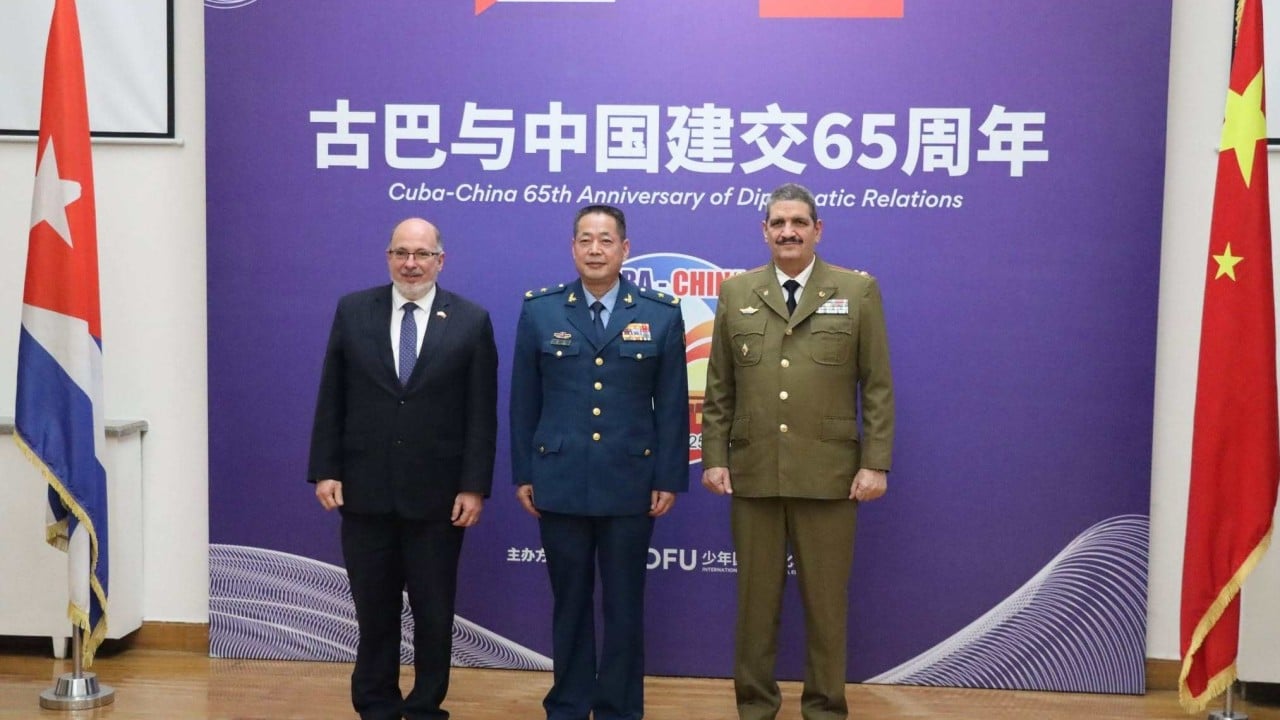
Consider the designated man. Colonel or attaché, representative or envoy. He is the person who sits in the crowded restaurants of the Chinese capital, sipping tea while negotiating the terms of a shipment. To his government, he is a lifeline. He is the procurement officer securing the hardware, the digital infrastructure, or the logistics support that keeps an aging military apparatus breathing. He is the bridge between two sanctioned worlds.
Washington watches the bridge.
When the United States Treasury Department drops a sanction, it sounds cold. Asset freezes. Travel bans. Red ink on a digital ledger. But behind every sanction is a story of leverage. It is a declaration that says: If you help build the bridge, you share the weight.
The decision to target Cuba’s military representative in Beijing over procurement channels is not merely about a single individual. It is a shot across the bow of a much larger vessel. It signals that the rivalry between Washington and Beijing is no longer confined to the South China Sea or Silicon Valley server farms. It spills over into the Caribbean. It touches the old battlegrounds of the Cold War, only now, the currency is not ideological purity; it is supply chains, surveillance tech, and strategic footholds.
Let us be clear about the mechanics. When a nation is locked out of global financial systems, it improvises. It relies on proxies, shadow companies, and trusted military attachés who can navigate foreign bureaucracies without setting off compliance alarms. These procurement networks are fragile. They depend on anonymity. Once a specific name is pulled into the light, once the Treasury stamps a photograph and an alias onto a public blacklist, the game changes.
The representative in Beijing is suddenly radioactive.
Banks that previously looked the other way now run algorithms to purge his accounts. Hotels hesitate to book his rooms. The procurement contracts he was sent to finalize stall in legal departments terrified of secondary penalties. The invisible web contracts, pulling tighter around him until he is isolated in a city of twenty million people.
Why does this matter to the ordinary person walking down a street in Havana or Miami? Because foreign policy trickles down.
When military procurement channels close, the pressure inside the island nation builds. Governments under stress rarely loosen their grip; they tighten it. They find new ways to adapt, new partners willing to take the risk, new gray markets where cash trumps compliance. Every sanction creates a shadow market, and every shadow market breeds a new kind of survivor.
We have watched this cycle repeat for generations. A policy of isolation meets a policy of endurance. Neither side blinks. Meanwhile, the cost is paid by the human actors caught in the middle—the citizens trying to live ordinary lives under extraordinary constraints.
The sanctions against the Beijing representative will not topple governments overnight. They will not instantly sever the ties between two allied states facing shared adversaries. That is not how modern economic warfare works. It is a war of attrition fought one ledger entry at a time. It is designed to make the cost of cooperation higher than the reward.
As the sun sets over the harbor in Havana, the water is dark and indifferent. Half a world away, neon lights wash over the streets of Beijing, reflecting off glass towers where diplomats draft the next move. The map in the operations room pulses quietly, another red dot appearing where a human life once stood.