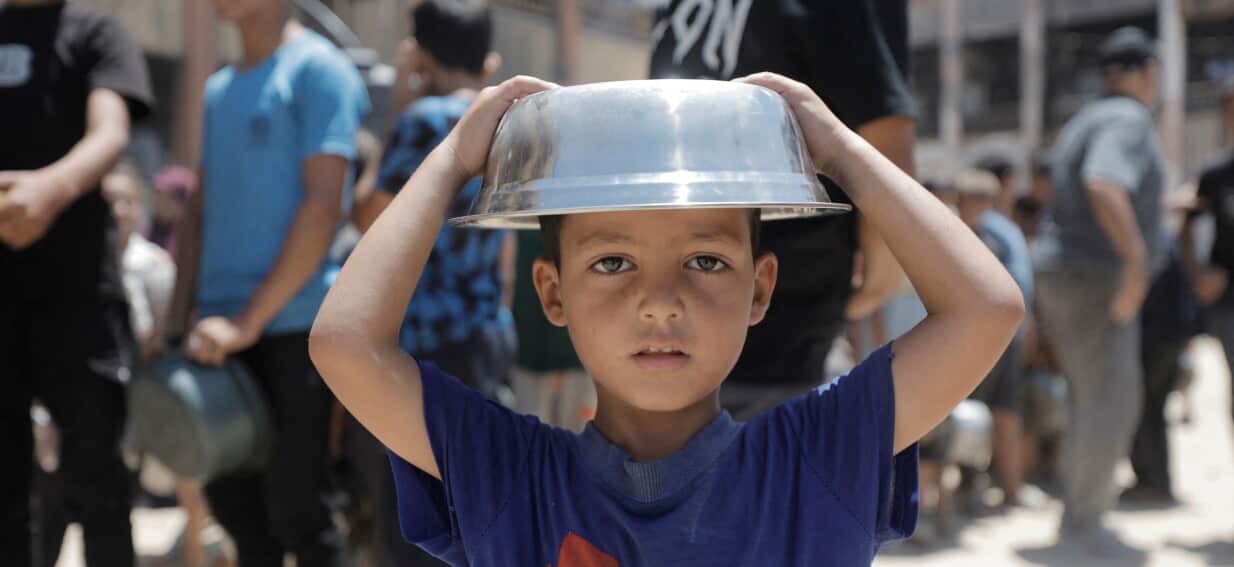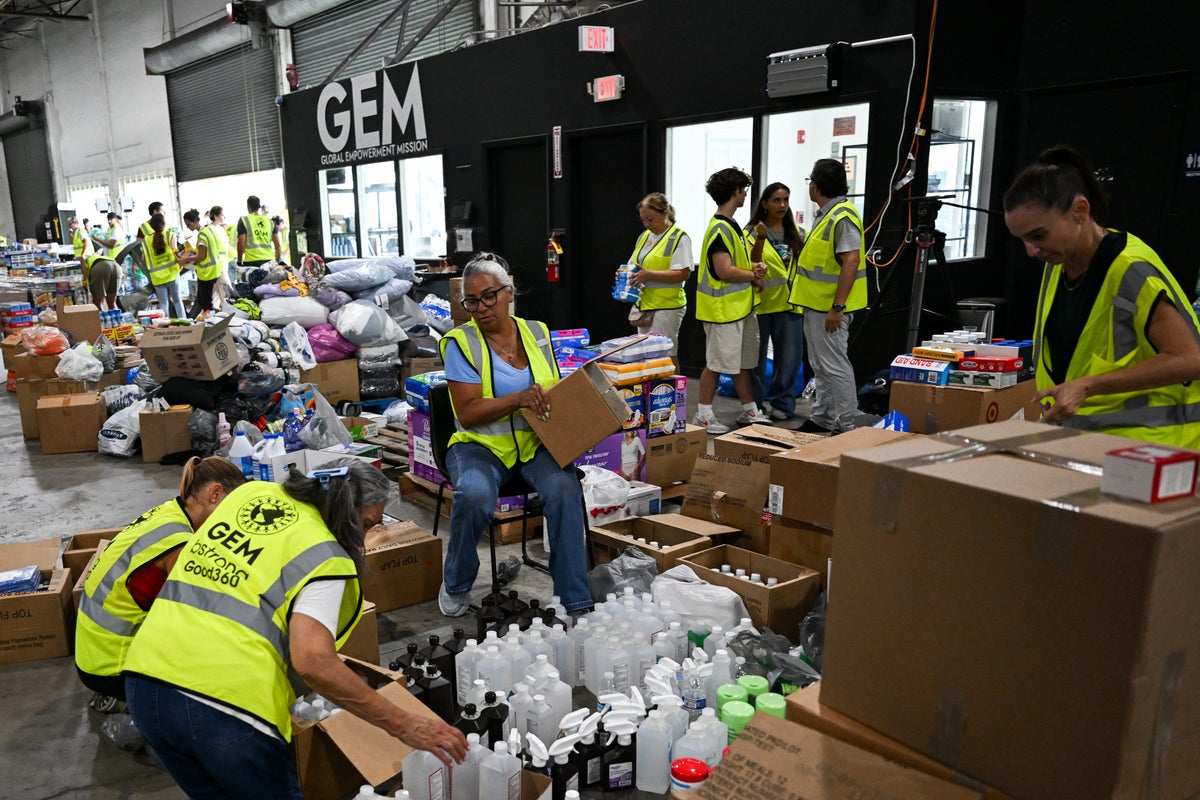
The feel-good narrative is always the easiest to sell. A natural disaster strikes, a dictatorship digs its heels in, and well-meaning diaspora communities in Miami, Houston, and New York jump into action. They pack boxes of canned tuna, gather leftover antibiotics, and stage massive clothing drives. The media covers it with a predictable mix of reverence and pity.
It makes for a beautiful photo op. It is also an absolute logistical disaster that actively undermines real recovery efforts.
When Venezuela faces infrastructure collapses or localized natural crises, the immediate reflex of the US-based diaspora is to collect physical goods. But sending care packages across a closed border into an uncooperative, heavily sanctioned state is not philanthropy. It is expensive performance art.
If you want to actually help people surviving a crisis under an authoritarian regime, you need to stop sending boxes. You need to start understanding the brutal mechanics of disaster economics.
The Mirage of the Physical Care Package
Let's look at the basic math that the emotional news coverage completely ignores.
When a crisis hits a country with closed airspaces or blockaded ports, shipping physical goods is the most inefficient way to deploy a dollar. Consider the life cycle of a donated box of supplies from Miami. First, a local group spends thousands of dollars on warehouse space and sorting labor. Then come the freight costs to move heavy, low-value items like bottled water or canned soup across thousands of miles.
Because the Caracas airport faces recurring closures and severe political restrictions, these goods cannot take a direct route. They sit in logistics hubs in Colombia, Panama, or Curaçao, racking up storage fees.
When goods finally arrive at a point of entry, they hit the real bottleneck: the authoritarian tollbooth.
In a highly corrupt state, physical cargo is leverage. Bureaucrats and local military commanders do not see humanitarian aid; they see an opportunity to extract bribes or seize goods to distribute to their own political loyalists. The international relations term for this is "aid diversion." Over the past decade, monitoring groups like Human Rights Watch have documented repeatedly how regimes weaponize access to food and medicine to maintain social control.
By sending physical goods that must pass through state-controlled checkpoints, diaspora groups inadvertently hand the regime a powerful tool to reward compliance and punish dissent.
The Inflationary Myth of Empty Shelves
The standard argument for physical aid drives is simple: "There is nothing left on the shelves over there, so we have to send it."
This is a fundamental misunderstanding of modern economic crises. Except in cases of absolute, total isolation, the problem in disrupted economies is rarely a total absence of goods. The problem is hyper-local supply chain blockages and a catastrophic collapse of purchasing power.
Even during Venezuela's worst economic contractions, goods were available in informal markets, through cross-border trade with Colombia, or via the bodega economy. The issue is that the local population cannot afford them due to currency depreciation.
When US groups flood a specific crisis zone with free, uncoordinated physical goods, they create a secondary economic shock. They crush the local merchants, farmers, and supply chains that are desperately trying to survive the crisis. Why would anyone buy soap or rice from a local vendor who managed to source it from Colombia when a foreign charity is handing it out for free down the street?
By wiping out local commerce, well-intentioned aid drives prolong the economic recovery time of the very community they want to save.
Cash is King, But Nobody Wants to Admit It
The most effective tool for disaster relief is the one that makes donors the most uncomfortable: direct cash transfers.
Economists specializing in humanitarian responses, including researchers at the Center for Global Development, have proved this for decades. Giving cash or digital currency directly to people in a crisis zone is superior to physical aid in every measurable metric.
- Zero Shipping Costs: A digital transfer costs pennies, leaving 99% of the capital available for actual relief.
- Speed: Cash moves at the speed of a fiber-optic cable. Physical freight moves at the speed of a corrupt customs official.
- Flexibility: A box of canned beans is useless to a family that needs flashlight batteries, clean water, or bricks to repair a roof. Cash lets the victim decide their own immediate priorities.
- Economic Stimulation: When victims spend cash locally, they pump liquidity back into the neighborhood economy, helping local businesses stay open and maintain employment.
Why do diaspora groups refuse to pivot to digital financial aid? Because cash transfers do not provide the emotional payoff of packing a box. Human beings are wired for tangible altruism. We want to see the blanket we bought being placed on someone's shoulders. We want to stand in a gymnasium in Doral surrounded by bags of rice because it makes us feel like we are physically fighting the crisis.
That is not helping the victims; that is managing the donor's anxiety.
The Complications of Financial Compliance
To be fair, shifting to financial aid is not a magic bullet. It requires navigating a minefield of banking regulations.
United States sanctions on Venezuela create immense compliance hurdles for moving money. Financial institutions are terrifyingly risk-averse. Under anti-money laundering (AML) and "know your customer" (KYC) frameworks, major banks will routinely freeze accounts that attempt to transfer funds anywhere near a sanctioned jurisdiction.
This is where the real work of an industry insider happens. Instead of organizing a clothing drive, resourceful diaspora leaders should be spending their time building compliant, legally vetted financial pipelines. This means partnering with established international NGOs that hold specific licenses from the US Treasury’s Office of Foreign Assets Control (OFAC). It means utilizing decentralized peer-to-peer digital networks that bypass state-controlled banking systems entirely, allowing families to receive micro-transfers directly to their mobile devices.
It is tedious work. It involves lawyers, compliance officers, and tech platforms rather than community centers and cardboard boxes. But it is the only method that actually bypasses an airport closure or a naval blockade.
Dismantling the Premise of the "Aid Drive"
The public constantly asks the wrong questions during a foreign humanitarian crisis. They ask: "Where can I drop off my donations?" or "What items do they need most right now?"
The brutal, honest answer to both questions is: Nothing. Keep your items in your closet.
If you want to disrupt the cycle of ineffective aid, you have to change your approach to giving. Look at organizations that have abandoned the physical logistics model entirely. Look for small, agile networks operating on the ground that accept digital funds to purchase supplies inside the country or from neighboring border towns. Accept the reality that some percentage of financial aid will face transaction friction, but realize that loss is still far less than the 60% loss rate of physical goods rotting in a port warehouse.
Stop measuring the success of an aid campaign by the number of tons collected or the number of volunteers packing boxes. Measure it by the velocity of capital reaching the hands of the people who need it. Everything else is just noise designed to make the onlookers feel better while the crisis continues unabated.