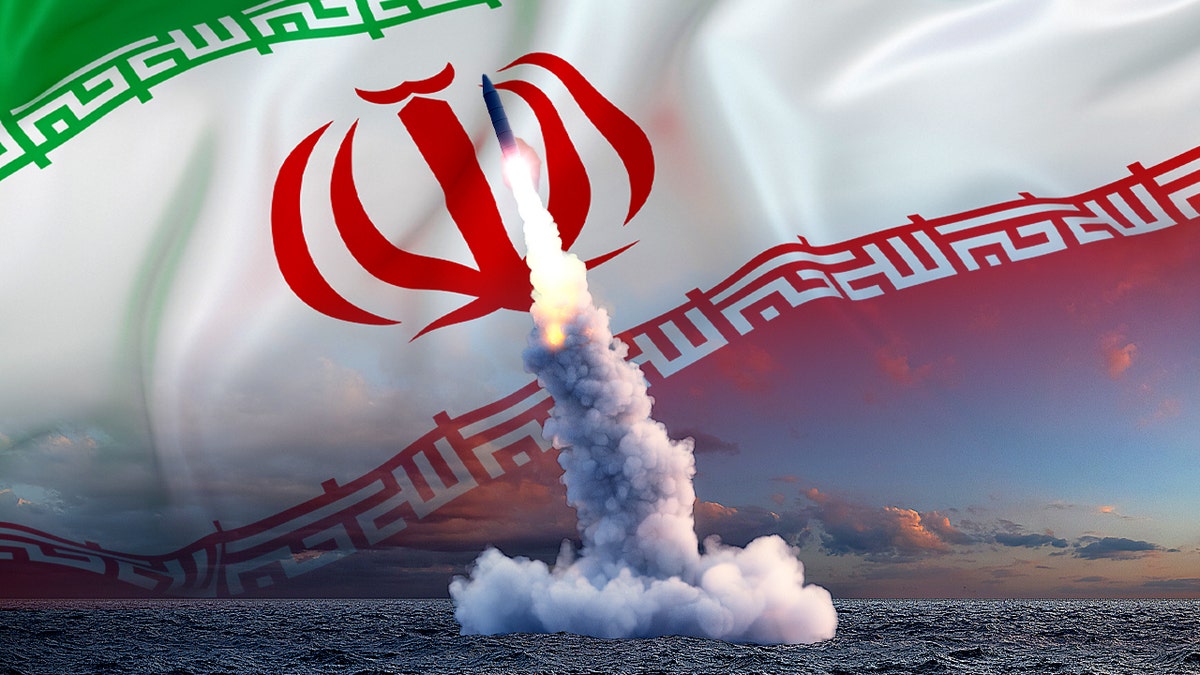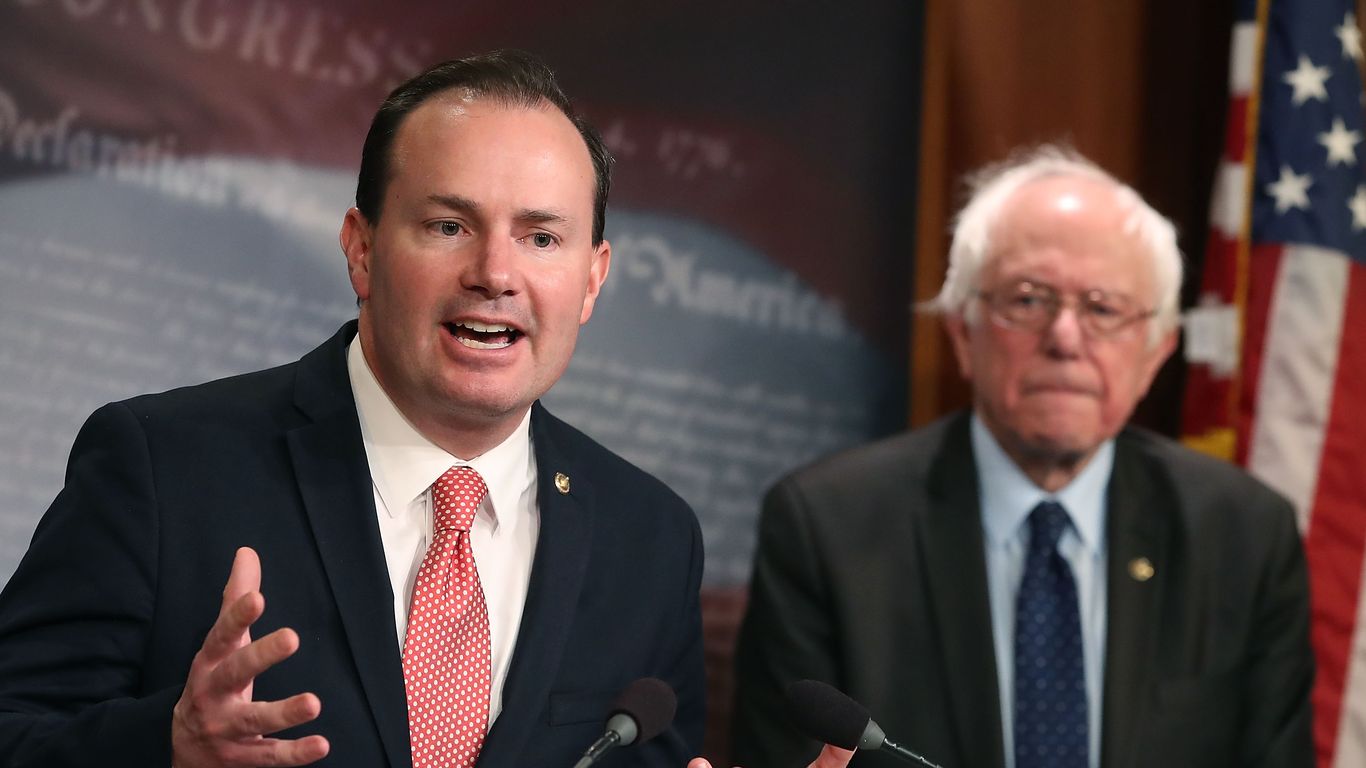
The U.S. Senate just blocked a resolution that would’ve forced President Trump to stop the ongoing war in Iran. In a 47-53 vote on Wednesday, March 25, 2026, the chamber failed to advance a measure aimed at pulling the leash on executive military power. If you’re looking for a quick answer on why it failed, it’s simple: the Republican majority, joined by a lone Democrat, believes the President has the constitutional authority to keep the strikes going without a formal green light from Congress.
This isn't just about a "no" vote. It’s about a massive shift in how the U.S. goes to war. We’re four weeks into a conflict that hasn't seen a single day of formal congressional debate. The resolution, led by Senator Chris Murphy and backed by heavy hitters like Cory Booker and Tim Kaine, was a desperate attempt to use the 1973 War Powers Act to force a withdrawal. It didn't work.
Breaking down the 47-53 split
The vote wasn't a total party-line wash, but it was close. Almost every Republican stood behind the White House, arguing that the strikes are a "defensive" necessity against an imminent threat. On the other side, Democrats—and one notable Republican, Rand Paul—argued that the Constitution doesn't give the President a blank check for a month-long air campaign.
One name that stands out in the "no" column is Senator John Fetterman. He was the only Democrat to side with the GOP, sticking to his guns as a staunch supporter of the U.S.-Israeli military coalition. His vote essentially canceled out Rand Paul’s "yes," leaving the anti-war wing of the Senate exactly where they started: powerless to stop the Pentagon.
What the resolution actually asked for
- An immediate halt to all U.S. participation in hostilities against Iran.
- A 30-day window to bring troops home unless Congress passes a formal declaration of war.
- Public hearings where Secretary of State Marco Rubio and Defense Secretary Pete Hegseth would have to testify under oath.
The cost of the 26 day war
While the Senate bickers over procedural tools, the reality on the ground is getting grittier. We’ve already lost 13 U.S. servicemembers. Gas prices have spiked by 35% in less than a month. The "oil shock" isn't a theory anymore; it’s what you’re paying at the pump right now.
There's also the human toll in Iran. Just days ago, a Tomahawk missile strike in southern Tehran reportedly hit a residential area, killing at least 12 people. Critics like Adam Schiff are pointing to these incidents as proof that the administration is "winging it" without a clear exit strategy. The White House, meanwhile, claims they’ve basically decapitated the Iranian leadership, citing the February 28 strike that killed Ayatollah Ali Khamenei as a turning point.
Why the War Powers Act keeps failing
You’ve probably heard of the War Powers Act. It was supposed to be the "never again" law after Vietnam, meant to stop presidents from starting "forever wars" on their own. But in 2026, it feels more like a suggestion than a law.
The loophole is "imminent threat." As long as the administration claims they’re acting to prevent an attack on U.S. interests, they can keep the bombs falling for 60 days before the law even kicks in. By the time that clock runs out, the war is usually too big to stop.
Republicans like Brian Mast have been vocal about this. They argue that asking the President to wait for a committee vote before striking back is basically asking him to "do nothing" while Americans are in the crosshairs. It’s a powerful argument that has successfully kept the GOP caucus unified.
What happens now
Don't expect the Democrats to pack it up and go home. They’re already talking about "gumming up the works." This means forcing these same votes over and over again, every single day, until the Senate schedule grinds to a halt. They can’t win the vote, but they can make it impossible for the Senate to do anything else—like passing the President’s domestic agenda.
At the same time, there are whispers of a 15-point peace plan being floated through mediators in Pakistan. Trump mentioned a "very significant prize" involving oil and gas concessions from Tehran, though the Iranians are publicly denying any direct talks.
If you're following this, watch the House next. They’re scheduled to vote on a similar resolution soon. It probably won't pass there either, but it’ll force every lawmaker to put their name on a "pro-war" or "anti-war" list right before an election year.
Check the voting records of your local representatives on the upcoming House War Powers Resolution to see where they stand on the conflict. If you're concerned about the economic impact, keep an eye on the Strait of Hormuz transit reports, as any permanent closure will likely drive those 35% gas price hikes even higher.