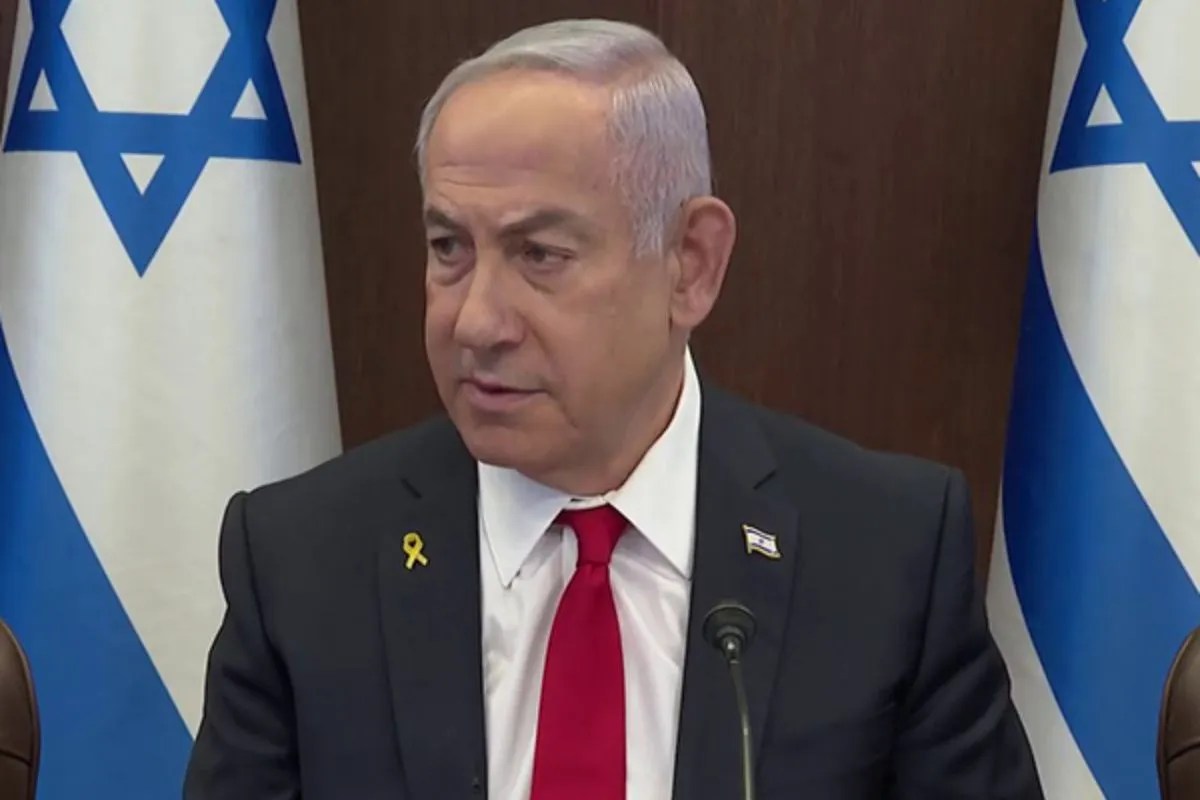
A single fatality in an Israeli shooting incident is no longer just a local tragedy. It is a political catalyst. When Prime Minister Benjamin Netanyahu immediately rushes to an active crime scene to assess the security situation, the cameras capture a leader in control. The reality on the ground tells a completely different story. Security theater has replaced long-term strategy, leaving the Israeli public trapped in a cycle of reactive politics that fails to address the root causes of systemic violence.
The immediate rush to deploy high-ranking officials to the scene of a shooting serves a specific political purpose. It projects urgency. Yet, when we strip away the flashing lights and the heavily armed entourages, we find a security apparatus that is increasingly hollowed out by political infighting and short-sighted policy decisions.
The Friction Inside Israel Security Establishment
The public sees a unified front. Behind closed doors, the friction between Israel's political leadership and its intelligence and military heads is reaching a breaking point. For decades, the standard protocol for handling domestic and border security relied on a delicate balance of intelligence gathering, targeted deterrence, and political status quo. That balance has broken down.
Decisions are now frequently driven by the immediate demands of the 24-hour news cycle. When an attack occurs, the pressure to show immediate, muscular force overrides the quieter, more effective methods of counter-terrorism.
- Intelligence gaps: Resources are being diverted from deep-cover intelligence gathering to fund highly visible, but ultimately less effective, street-level policing.
- Command confusion: The lines of communication between the Shin Bet, the Israel Defense Forces, and the national police force have become blurred by overlapping political mandates.
- Erosion of trust: Veteran security officials privately complain that tactical decisions are being micromanaged by politicians looking for a favorable headline.
This shift from proactive deterrence to reactive optics means that the state is constantly playing catch-up. An officer walks a beat on a specific corner because that corner was targeted yesterday, while the planners of tomorrow's attack simply move three blocks away.
The Flaw of Immediate Retail Politics in National Security
When a Prime Minister stands at a barricade hours after shots are fired, it alters the nature of the state's response. National security requires cold, detached analysis. It demands that leaders look at data, assess long-term vulnerabilities, and sometimes make unpopular decisions that do not yield immediate results.
Retail politics demands the opposite. It requires quick blame, immediate promises of retribution, and visible movement. This approach creates a dangerous feedback loop. The public, traumatized by violence, demands instant action. The politicians deliver a high-profile photo op and a promise of harsher measures. The structural issues that allowed the violence to occur in the first place remain untouched.
Consider the logistics of a prime ministerial visit to a recent shooting site. The sheer volume of security personnel required to secure a active crime scene for a political leader is staggering. Dozens of agents, tactical vehicles, and perimeter guards are pulled away from ongoing investigations or active patrols just to secure a hundred-yard radius for a television camera. It is a massive diversion of operational assets at the exact moment those assets should be hunting leads.
Missing Pieces in the Domestic Arms Crisis
The focus on the immediate perpetrators of these shootings obscures a much larger, more dangerous trend: the uncontrolled proliferation of illegal firearms within the region. Security sweeps routinely net small caches of weapons, but the supply lines remain robust.
A significant portion of the illegal weaponry flowing into volatile areas originates from black-market smuggling rings that exploit gaps along porous borders. More troubling, however, is the steady bleed of weapons from military stockpiles inside the country. Corrupt networks have turned military armories into a lucrative supply chain for criminal enterprises and militant groups alike.
Addressing this issue requires a deep, sustained, and politically painful investigation into institutional vulnerabilities. It requires confronting corruption within various sectors of the state apparatus and implementing strict, high-tech tracking systems for every piece of ammunition and firearm in the inventory. It is slow, grinding work that takes years to show results. It does not fit into a press release issued from a cordoned-off street corner.
The Regional Implications of Internal Security Posturing
Israel's internal security approach does not exist in a vacuum. Every televised visit, every hardline speech delivered at a crime scene, is watched closely by regional neighbors and adversaries.
When security policy is perceived as a tool for domestic political survival rather than a reflection of core strategic strength, it signals vulnerability. Adversaries do not see a nation unified in grief; they see a leadership class that is easily rattled and driven by public opinion. This perception can embolden fringe groups to launch low-tech, high-impact attacks, knowing that the political fallout will disproportionately disrupt the Israeli state's strategic focus.
The international community also watches these displays with growing fatigue. Allies who look for long-term stability see instead a pattern of crisis management that relies on escalation rather than stabilization. The diplomatic capital required to defend heavy-handed reactive measures grows more expensive with every incident.
The Cost of Ignoring the Ground Reality
The current trajectory is unsustainable. True security is silent. It is felt in the absence of incidents, not in the volume of the response after they occur. By treating every shooting as a stage for political theater, the current leadership risks normalizing a state of perpetual crisis.
The public gradually becomes desensitized to the presence of elite forces on their doorsteps, while simultaneously losing faith in the state's ability to protect them before the sirens start wailing. The metrics of success have been warped. Success should not be measured by how quickly a leader arrives at a tragedy, but by how much effort was expended to prevent it from happening in the first place.
The hard truth is that stopping the next attack requires a fundamental reallocation of resources away from the cameras and back into the dark, unglamorous corners of deep intelligence, border integrity, and institutional reform. Until that shift occurs, the image of a leader surveying a crime scene remains an indictment of policy failure, not evidence of strength.