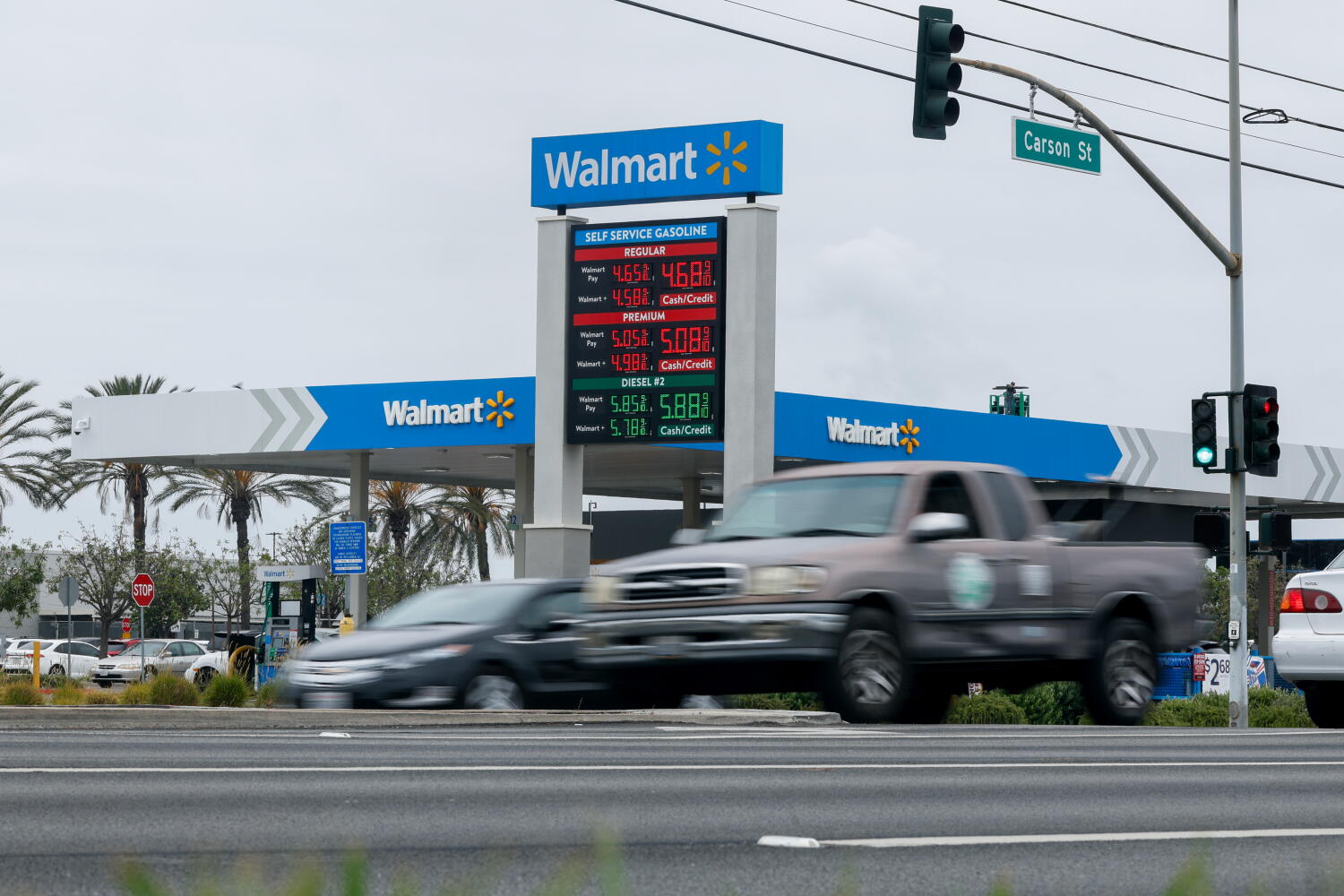
A wave of antitrust litigation is hitting the retail fuel industry, exposing how major gas station chains use automated pricing software to artificially inflate fuel costs. Drivers pulling up to the pump have long suspected that local stations engage in tacit collusion when prices skyrocket simultaneously. Now, legal filings reveal that these identical price hikes are not coincidental. They are engineered by proprietary algorithms that allow competing gas stations to track, analyze, and manipulate localized fuel prices in real time, effectively erasing traditional market competition.
For decades, the retail fuel sector operated on a simple, highly visible model of competition. Station managers would look across the street with binoculars, check a competitor’s plastic sign, and drop their price by a penny to win over drivers. It was a manual, localized, and inherently flawed system that kept margins razor-thin.
That friction has disappeared. Today, the corner gas station relies on cloud-based pricing engines that ingest thousands of data points every minute. These platforms process wholesale fuel costs, historical traffic patterns, hyper-local weather forecasts, and competitor pricing scraped directly from digital billboards and crowd-sourced apps. The software does not just recommend a price. It automates the change, pushing new numbers directly to the pump and the digital marquee outside within seconds.
The legal vulnerability for these fuel giants lies in the shared nature of the software. When direct competitors in the same geographic market subscribe to the same data clearinghouse or pricing algorithm, they are no longer predicting the market independently. They are outsourcing their pricing strategy to a single, centralized entity.
Antitrust laws were written in the era of smoke-filled rooms, where executives shook hands on fixed prices. Modern algorithmic coordination accomplishes the exact same result without a single phone call between competitors. If five major gas chains in a single city use the same software platform, the algorithm recognizes that a price war hurts everyone's bottom line. It systematically nudges prices upward across the entire grid, knowing that the competing systems will match the increase rather than undercut it. The result is a artificial floor on fuel costs that defies standard supply and demand.
Defenders of these platforms argue that the software merely maximizes efficiency. They claim that algorithms prevent retail losses during periods of extreme wholesale volatility, such as a sudden pipeline shutdown or geopolitical conflict. According to industry trade groups, dynamic pricing ensures that stations can afford to restock their underground tanks when replacement fuel costs spike unexpectedly.
But there is a vast difference between efficiency and margin extraction. When an algorithm detects that a local neighborhood has fewer competing stations, or that a specific highway exit sees high commuter traffic with no alternative fueling options, it aggressively tests the upper limits of consumer tolerance. It calculates exactly how high a price can go before drivers change their behavior.
This optimization behavior hits low-income drivers the hardest. A commuter working a fixed shift cannot choose to delay a refuel because an algorithm decided Tuesday afternoon was peak pricing territory. They pay the premium because they have to.
The regulatory response to this shift has been historically slow, but the tide is turning. The Federal Trade Commission and state attorneys general are increasingly moving away from searching for explicit agreements between corporate executives. Instead, investigators are focusing on data sharing and the structural design of the software itself. If a pricing engine requires a subscriber to feed proprietary, real-time sales data into a collective pool that benefits its rivals, that behavior looks less like independent business judgment and more like an organized cartel.
Proving this in a courtroom remains incredibly difficult. Software vendors shield their source code behind intellectual property laws, claiming their formulas are proprietary trade secrets. This creates a black box where the line between aggressive math and illegal collusion becomes heavily blurred.
Fixing a broken retail fuel market will require a fundamental overhaul of how transparency is defined under antitrust law. Transparency used to mean clear labeling for the consumer. Today, transparency is weaponized by the seller. When competitors can see each other's micro-adjustments instantly through a shared digital lens, the incentive to lower prices to capture market share vanishes entirely.
True market correction will not come from asking companies to voluntarily abandon data analytics. It will require strict legal boundaries on the types of data these algorithms are permitted to ingest, particularly prohibiting the use of non-public, real-time rival data to dictate public pricing strategies. Until regulators pull back the curtain on these proprietary engines, the price you pay to commute will continue to be decided by an unblinking mathematical model designed to extract the maximum possible dollar from your wallet.