The White House mission to drive global oil prices into the floor to starve the Russian war machine is hitting a wall of cold, hard mathematics. In the three weeks since the United States and Israel launched strikes against Iran, the delicate machinery of global energy has been thrown into a violent reverse. While the Trump administration's stated doctrine is to "drill, baby, drill" until crude hits $40, the reality on the water tells a different story: Russian oil revenues have surged by nearly €6 billion in just fourteen days.
This is the central friction of modern energy warfare. By attempting to flood the market to lower prices, the administration has inadvertently triggered a geopolitical premium that is currently working in Vladimir Putin's favor. The closure of the Strait of Hormuz by Tehran—a direct response to the escalating conflict—has removed 20% of the world's daily supply from the board. In this vacuum, the "discount" usually applied to Russian Urals has evaporated, and the Kremlin is once again selling at a premium to a desperate global market.
The Strategy of Dominance Meets the Reality of Scarcity
The administration's energy policy is built on a simple premise: if American production reaches record levels, the sheer volume of supply will break the back of OPEC+ and leave Russia with a product that costs more to pump than it fetches on the market. On paper, the U.S. is winning the production race, pumping a near-record 13.6 million barrels per day. However, the "energy dominance" doctrine fails to account for the velocity of war.
When the Treasury Department issued a temporary license on March 12 to permit the sale of 128 million barrels of Russian oil currently "stranded" at sea, it was a tactical retreat disguised as a market stabilization move. Treasury Secretary Scott Bessent argues that these barrels were already taxed at the point of extraction, meaning the Kremlin has already seen its money. This is a half-truth that ignores the "net-back" value of oil. When those tankers finally dock, the narrowed discount between Brent and Urals ensures that the next wave of Russian exports will be taxed at significantly higher rates, feeding the Kremlin's federal budget.
The Mathematics of a Narrowing Discount
Under the previous regime of strict price caps and sanctions, Russian oil often traded at a $10 to $15 discount to international benchmarks. Today, with Middle Eastern supplies choked off, that gap has shrunk to less than $5.
- January 2026: Russian fossil fuel revenues hit an all-time low of €464 million per day.
- March 2026: Following the Iran strikes, daily revenues have rebounded to over €510 million.
- The Result: Moscow is effectively earning a "war bonus" of nearly $150 million per day compared to its pre-February figures.
The Shadow Fleet and the Sanction Slippage
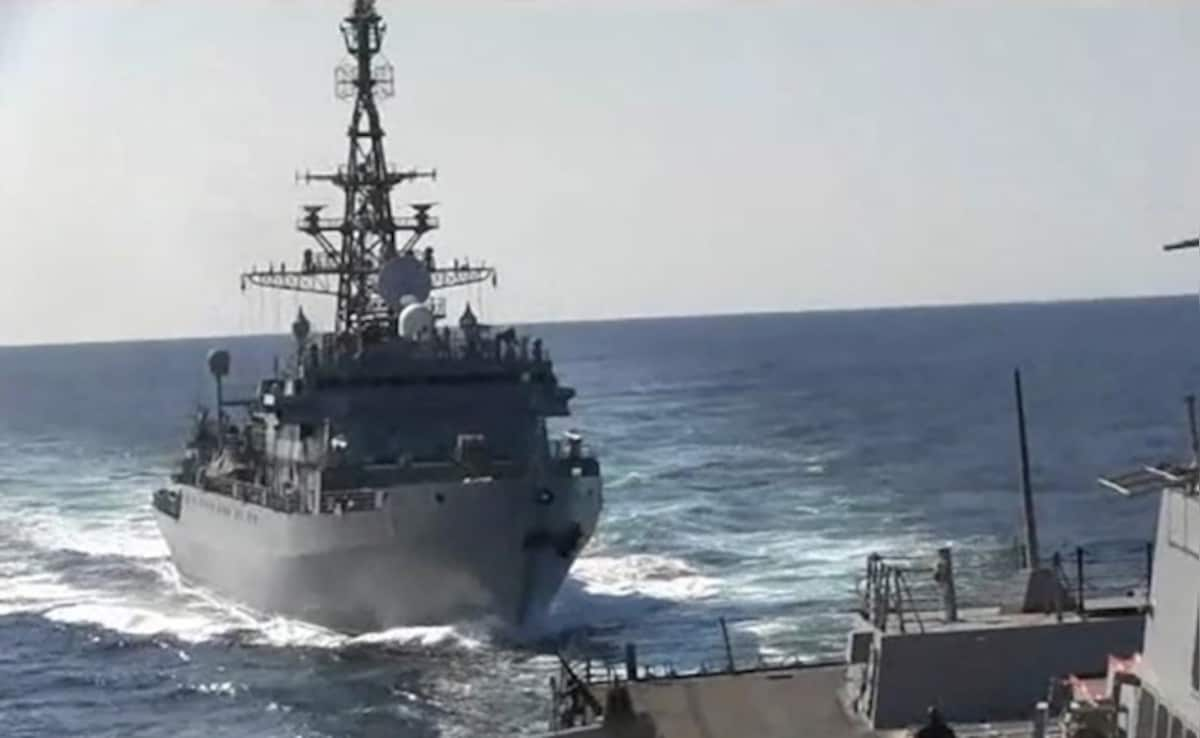
The attempt to lower prices by increasing supply only works if the supply is uniform. But the market for crude has bifurcated. There is "clean" oil and there is "gray" oil. Russia’s reliance on a shadow fleet of over 300 tankers—vessels operating under false flags with opaque insurance—has allowed it to bypass the very price caps designed to neuter its economy.
By easing sanctions on oil currently in transit, the U.S. has signaled to the market that price stability is now a higher priority than the economic isolation of Moscow. This shift is a response to the "pain point" of the American consumer. While the U.S. economy is resilient, experts suggest that gas prices hitting $4.25 a gallon would begin to shave 0.8% off the national GDP. To avoid this, the administration is forced to allow Russian barrels back into the light, effectively using Putin’s oil to subsidize American inflation control.
Why Production Hikes Aren't a Magic Bullet
Expanding production in the Permian Basin isn't like turning on a faucet. It requires a sustained price environment above $70 a barrel to justify the capital expenditure for new drilling. If the administration successfully drives prices down to $40 through policy, they risk killing the very domestic production growth they rely on for "dominance."
Russia, conversely, has a significantly lower production cost on its legacy fields. It can survive a price war longer than many American shale independents who are beholden to quarterly dividends and high-interest debt. By the time American production could theoretically offset the loss of Middle Eastern and Russian barrels, the fiscal damage to the West—and the fiscal windfall to the Kremlin from the current price spike—will have already been done.
The China-India Pivot
The most significant oversight in the "price cut" strategy is the fundamental shift in who buys the oil. China now accounts for 50% of Russia's fossil fuel export revenues. These are not transactions settled in dollars, nor are they influenced by Western maritime insurance bans.
When the U.S. increases its own production, it primarily services the domestic market and European allies. It does little to displace Russian crude in Asia. In fact, if global prices drop, China and India simply buy more of the Russian product to build their strategic reserves, providing the Kremlin with a guaranteed floor for its export volumes.
The current 30-day reprieve for Russian oil at sea is a symptom of a larger crisis. The U.S. is caught between a desire to bankrupt an adversary and the need to protect its own economy from the volatility of a Middle East at war. As long as the Strait of Hormuz remains a flashpoint, every barrel added to the global supply—regardless of its origin—is a barrel that keeps the Kremlin's lights on.
The administration must now decide if the "dominance" they seek is worth the price of the "war chest" they are inadvertently filling. Ask your energy provider for a breakdown of their crude sources to see how much of your monthly bill is inadvertently tracking back to sanctioned regions.
.png?width=1200&auto=webp&trim=0%2C0%2C0%2C0)