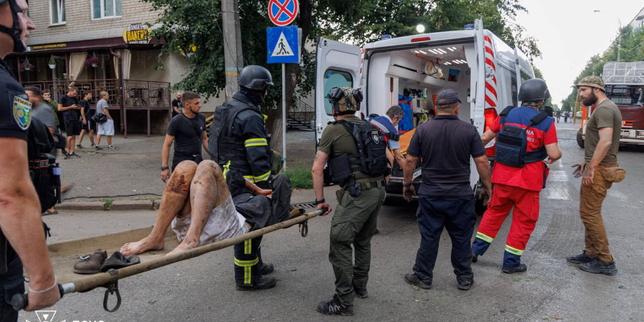
Russian forces launched targeted drone strikes against Sumy in northeastern Ukraine, killing at least two civilians and injuring several others in residential areas. Local authorities confirmed that Iranian-designed Shahed loitering munitions struck civil infrastructure overnight, damaging home units, power links, and local municipal structures.
Why Border Regions Like Sumy Face Increasing Targeting
Sumy sits directly along Ukraine's northeastern border with Russia. That geographical reality makes it a prime target for short-to-medium range drone incursions and artillery fire.
Unlike regions deeper inside Ukrainian territory that benefit from layered air defense coverage surrounding major hubs like Kyiv, border zones operate under much tighter interception windows. Low-altitude suicide drones cross the border within minutes. Air defense teams frequently have less than five minutes to detect, track, and engage incoming threats before impact.
Moscow's military command uses these localized strike campaigns to achieve specific operational goals:
- Resource Straining: Forcing Ukraine's military to redeploy mobile air-defense units away from active eastern frontlines to cover regional cities.
- Infrastructure Erosion: Systematically degrading local electrical networks, heating grids, and emergency response capabilities before seasonal weather changes.
- Psychological Pressure: Disrupting daily civic life and driving civilian evacuations from key border districts.
Unpacking the Mechanics of Low-Altitude Shahed Warfare
The persistent use of Shahed-136 and Shahed-131 loitering munitions has reshaped regional defense strategies across Ukraine.
These cheap, propeller-driven drones fly at low altitudes to bypass standard radar coverage. They don't rely on complex satellite navigation that can be jammed easily; instead, modern iterations combine optical guidance with pre-programmed flight vectors.
When Russia launches swarms across the northeastern border, they frequently send decoys alongside armed units. Decoys draw anti-aircraft fire, revealing the positions of Ukrainian defense teams and draining ammunition stocks.
Intercepting a $20,000 drone with a million-dollar missile isn't financially sustainable over long campaigns. Ukrainian mobile fire teams now rely heavily on truck-mounted heavy machine guns, searchlights, and acoustic sensor networks to spot and down these drones manually before they reach density centers in places like Sumy.
The Operational Reality for Local Emergency Crews
When strike reports register in Sumy, first responders enter immediate danger zones. Secondary strikes—often called "double-tap" attacks—have become a standard tactical element in drone campaigns.
Explosions attract emergency personnel, police, and rescue workers. A second drone or missile hit scheduled minutes later directly targets those initial responders. Regional medical services in northern Ukraine now operate under modified protocols, delaying mass deployment until aerial reconnaissance clears the surrounding airspace of secondary threats.
For residents in Sumy, safety relies on immediate access to reinforced basements or underground facilities. Standard interior walls don't provide sufficient protection against the shrapnel and blast waves generated by heavy warheads.
Citizens in border regions should ensure emergency go-bags are updated continuously, monitor regional Telegram channels for real-time acoustic tracking alerts, and maintain secondary power supplies for communication devices during prolonged grid outages.