Superyachts cost a fortune. You already know that. But spending an extra thirty million dollars just because the paint job isn't shiny enough sounds like fiction. It isn't. When you own a massive vessel worth hundreds of millions, perfection isn't just a goal. It's an obsession.
Billionaires live in a different financial reality. Ordinary problems scale up into absurd spectacles. Let's look at what actually happened when a high-profile owner took a shipyard to court over a lackluster exterior finish.
The Three Hundred Million Dollar Problem
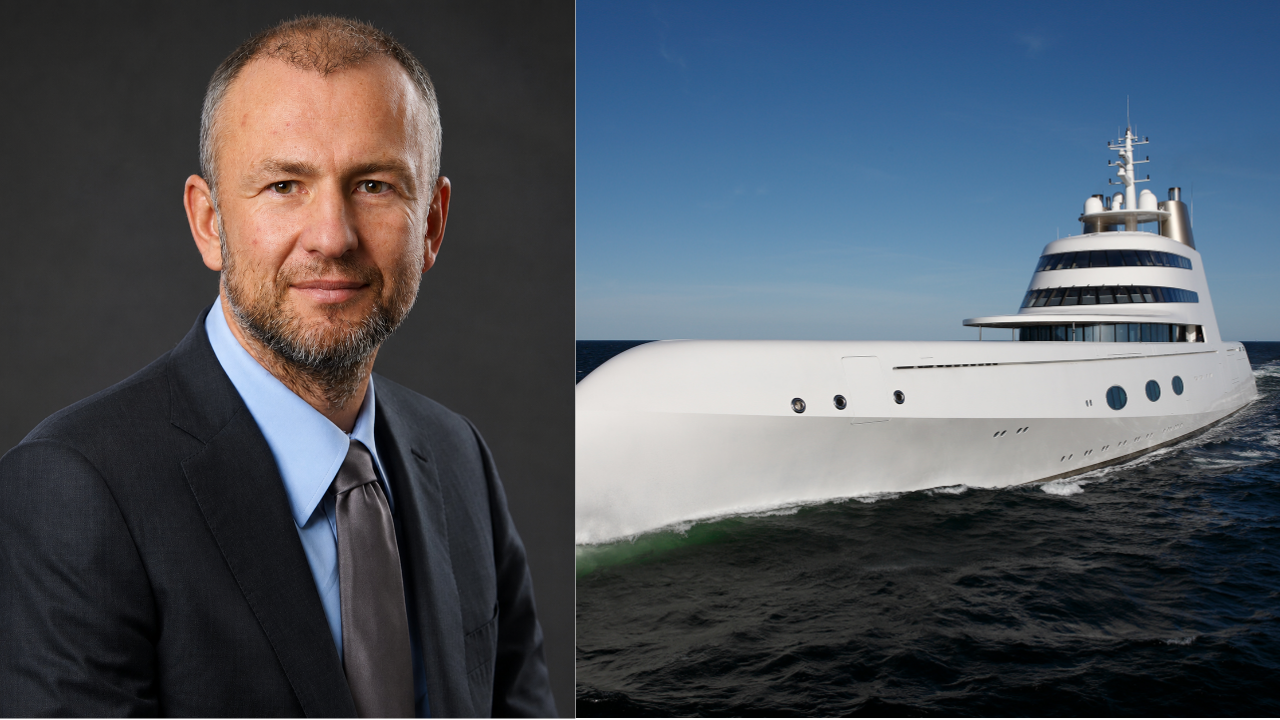
Imagine dropping three hundred million dollars on a custom superyacht. You expect a masterpiece. Instead, you get a floating mirror that fails your personal inspection. That is exactly what happened to Russian billionaire Andrey Melnichenko with his iconic vessel, Sailing Yacht A.
The finish wasn't up to his standards. It lacked the flawless, mirror-like gloss he demanded. So, he did what any ultra-wealthy individual with an army of lawyers does. He filed a massive lawsuit against the builder and the paint supplier, demanding one hundred million dollars in damages.
Most people cannot fathom spending thirty million dollars on a car, let alone on a simple repaint. For Melnichenko, fixing the coat was a matter of principle and aesthetic dominance. The yacht had to look pristine from every conceivable angle.
Why Yacht Paint Costs A Fortune
You might wonder why a fresh coat of paint costs more than a fleet of luxury sports cars. Painting a superyacht is nothing like painting a house or even a commercial cruise ship.
It takes months of grueling labor. Crews must work in climate-controlled environments. Every single millimeter of the hull requires sanding, priming, and hand-buffing. The slightest imperfection under the harsh ocean sun ruins the entire effect.
Specialized marine coatings are engineered to withstand saltwater, UV radiation, and extreme temperatures. They contain advanced polymers and pigments. When you scale that across a multi-hundred-foot hull, the material costs alone skyrocket. Add elite shipyard labor rates in Europe, and the bills spiral out of control instantly.
The Reality Of Maritime Litigation
Suing over aesthetics sounds petty. In the maritime industry, high-stakes disputes happen constantly. Contracts for custom builds are massive documents filled with strict specifications regarding finish, speed, noise, and weight.
When a shipyard misses the mark on a multi-million-dollar specification, owners rarely back down. Legal battles involve teams of maritime experts, forensic paint analysts, and naval architects. They spend months measuring gloss units and micro-scratches.
The legal fight over Sailing Yacht A eventually reached a settlement. The exact terms remain private, but the message was loud and clear. Compromise does not exist at the absolute peak of luxury manufacturing.
What This Story Teaches Us About Ultra-Luxury Markets
People often ask why luxury goods cost thousands of times more than functional alternatives. The answer lies in tolerance levels. A standard car paint job has acceptable error margins. A custom superyacht has zero room for error.
When you buy at the extreme end of the market, you are paying for obsessive attention to detail. You are paying for the right to reject work that fails to meet an impossible standard.
Most businesses learn a hard lesson from events like this. Managing client expectations at the highest level requires absolute transparency and uncompromising quality control. Slip up once, and you face a multi-million-dollar courtroom showdown.
Keep your standards high. Just make sure your budget can handle the fallout if things go wrong.