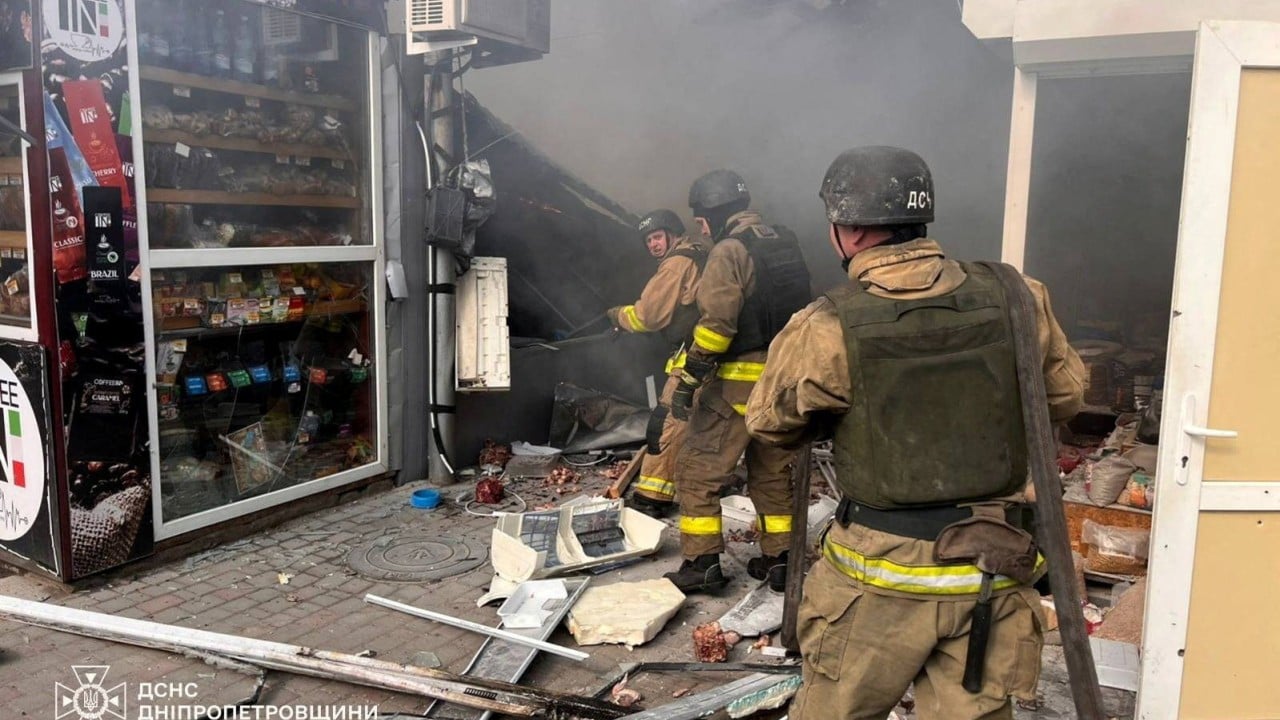
Death doesn't wait for diplomacy. While the world watches high-level handshakes in Istanbul, the reality on the ground in Eastern Europe remains a bloody, relentless grind of drone strikes and artillery fire. At least ten people are dead following the latest round of cross-border attacks, proving once again that talk is cheap when the rockets are flying.
You're seeing a war of two speeds right now. One speed is the frantic, behind-the-scenes maneuvering of President Volodymyr Zelensky as he tries to shore up support in Turkey. The other is the brutal, slow-motion destruction of civilian infrastructure and military assets in both Russia and Ukraine. This isn't just another day of fighting. It's a clear signal that both sides are trying to gain maximum leverage before any serious peace talks even hit the table.
The lethal cost of the latest escalations
The numbers tell a grim story. In the latest 24-hour window, Russian shelling hammered frontline regions in Ukraine, claiming lives in Sumy and Kharkiv. Meanwhile, Ukraine isn't just taking hits anymore. Kyiv has ramped up its long-range drone program, hitting targets deep inside Russian territory, including oil refineries and logistical hubs.
It's a messy, violent cycle.
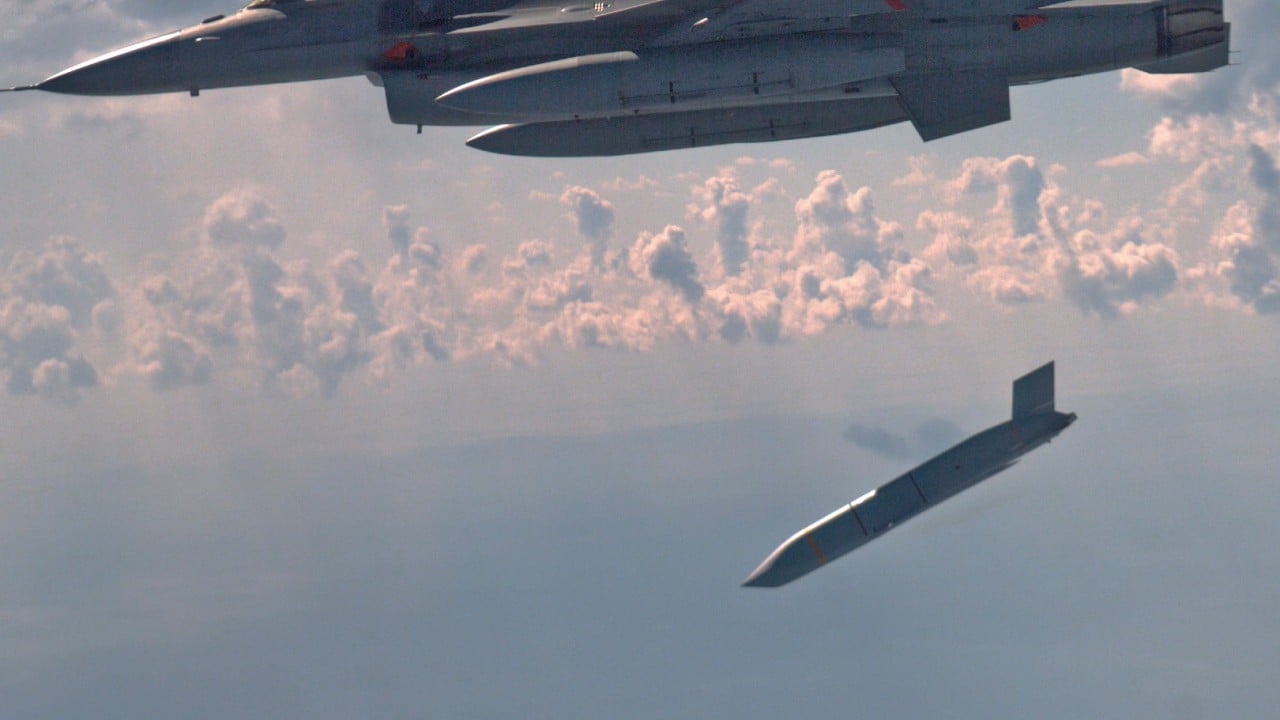
Russia’s strategy involves overwhelming Ukrainian air defenses with a mix of Iranian-designed Shahed drones and cruise missiles. They’re looking for gaps. When they find them, the results are tragic. In the Kupiansk district, residential buildings were turned to rubble. On the flip side, Russian officials in Belgorod are reporting increasing civilian casualties from Ukrainian counter-battery fire and drone incursions.
The "gray zone" of the border is now a permanent killing field. This isn't a stalemate. It's a dynamic, evolving conflict where the definition of a "target" expands every single week.
Why Zelensky is betting big on Turkey
Zelensky’s trip to Istanbul to meet President Recep Tayyip Erdogan isn't a vacation. It’s a desperate, calculated move to find an intermediary that both sides actually tolerate. Turkey occupies a weird, unique position in this war. They're a NATO member, but they've kept their channels to the Kremlin wide open.
Erdogan loves playing the role of the grand mediator. He's the guy who helped broker the Black Sea Grain Initiative, and Zelensky knows that if any deal is going to happen regarding prisoner swaps or shipping safety, it’s going through Ankara.
But don't get it twisted. This isn't just about peace.
Zelensky is there to talk hardware. Ukraine wants more Turkish Bayraktar drones and is looking for joint ventures in naval ship construction. He needs to show his people and his soldiers that he's securing the tools to win, even as he talks about the framework for ending the war. It's a tightrope walk. If he leans too hard into peace talks, he looks weak to his hardliners. If he leans too hard into war, he loses the "moral high ground" with international partners who are getting tired of the bill.
The massive gap between rhetoric and reality
You’ll hear a lot of talk about "peace formulas" and "ten-point plans" coming out of these meetings. Honestly, most of it is noise. The reality is that neither Moscow nor Kyiv is ready to blink.
- Russia's Stance: Putin thinks he can outlast the West. He’s transitioned the Russian economy to a total war footing. To him, any talk of returning to the 1991 borders is a non-starter.
- Ukraine's Stance: Zelensky can't trade land for peace without risking a civil revolt. For Ukraine, sovereignty isn't a bargaining chip.
- The Middle Ground: There isn't one. Not yet.
The strikes we're seeing—the ten people killed just today—are the real "negotiations." Every power plant hit and every trench captured changes the math for what happens in Istanbul or Davos.
The drone war has changed everything
We’ve moved past the era of massive tank battles. This is the first true drone war, and it's terrifying. Ukraine is now producing thousands of FPV (First Person View) drones every month. These cheap, $500 quadcopters can take out a multi-million dollar T-90 tank.
This technological shift is why the death tolls are staying so high even when the "front lines" don't move much on a map. You don't need a massive breakthrough to kill people ten miles behind the line anymore. You just need a stable signal and a skilled pilot in a basement somewhere.
Russia has caught up, too. They’ve localized drone production and are using electronic warfare to scramble Ukrainian signals. It’s a constant tech race. Whoever loses the electronic warfare battle for forty-eight hours loses a village. It’s that simple and that brutal.
What to watch in the coming days
Forget the official communiqués for a second. If you want to know if Zelensky’s trip was a success, don't look at the photos of him smiling with Erdogan. Look at the shipping insurance rates in the Black Sea. Look at whether Russia suddenly "agrees" to another prisoner exchange.
The diplomacy is the shadow. The violence is the substance.
Expect more strikes on energy infrastructure as both sides try to break the other’s will. Ukraine is going to keep hitting Russian oil assets because that’s Putin’s wallet. Russia is going to keep hitting Ukrainian cities because that’s Zelensky’s pressure point.
Keep an eye on the following developments:
- Black Sea Security: Any movement on a new corridor for merchant ships.
- Defense Manufacturing: Announcements of Turkish factories being built on Ukrainian soil.
- Third-Party Involvement: Whether China or India makes a move to support the Turkish mediation efforts.
The war isn't ending today, and ten more families are grieving while the politicians talk. The best thing you can do is look past the headlines and realize that the real story is written in the dirt of the Donbas, not the gold-leafed rooms of Istanbul. Stay updated on localized reporting from the Sumy and Belgorod regions to see how these strikes actually shift the tactical reality on the ground.