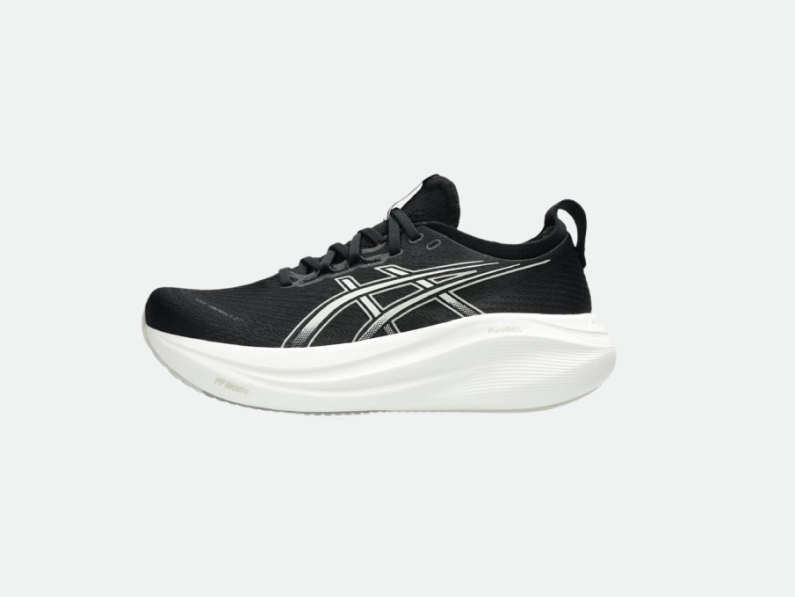
The modern athletic footwear market operates on a simple, multi-billion-dollar falsehood. You need the most expensive running shoes with maximum cushioning and carbon-plated propulsion to protect your joints and run faster. Decade after decade, athletic brands flood the market with high-tech foam compositions, proprietary nylon plates, and aggressive rocker geometries. They promise injury prevention and effortless speed. Yet, running injury rates remain stubbornly high, hovering between fifty and seventy-nine percent annually for regular runners.
If technology were the solution, injuries would have plummeted. They have not.
Instead, consumers face a confusing maze of marketing terms, inflated price tags, and shoes engineered with engineered obsolescence built right into the midsole. Let us strip away the glossy marketing campaigns and look at the physical reality of running shoes.
The Anatomy Of Modern Hype
For years, the industry pushed motion control and excessive pronation correction. Brands convinced millions of neutral runners that their feet were collapsing inward and required rigid medial posts to prevent disaster. Podiatrists and biomechanists later dismantled this theory through rigorous longitudinal studies. The foot is naturally dynamic. It adapts, flexes, and absorbs shock through its own intricate architecture.
When the industry realized motion control was losing scientific credibility, they pivoted. The new gospel became maximalism.
Pillows of ethylene-vinyl acetate and specialized polyether block amide foams grew thicker. Stack heights pushed past forty millimeters, lifting runners far above the asphalt on bouncy clouds of foam. These shoes feel incredible during a two-minute test jog on a carpeted retail floor. That initial plushness sells inventory.
Footwear engineering requires compromise. When you increase stack height and softness, you sacrifice proprioception. Your brain relies on sensory feedback from the mechanoreceptors in the soles of your feet to gauge terrain, adjust stride length, and stabilize your ankles. Thick, squishy foam dampens that signal.
Furthermore, high stack heights increase the moment arm around the ankle joint. When you land on an uneven patch of concrete in a maximalist trainer, the leverage working against your ankle ligaments increases significantly. The shoe might protect your heel from impact shock, but it invites lateral ankle sprains and chronic stabilizer fatigue.
The Durability Illusion And Foam Degradation
Runners frequently ask how long a pair of running shoes should last. Brands traditionally threw out a neat, tidy number between three hundred and five hundred miles.
The reality is far messier.
Modern super-foams utilize advanced chemical blends that offer astonishing energy return. They bounce back with explosive power. However, those cellular structures break down under repetitive mechanical stress. A shoe can look pristine on the outside. The upper fabric is intact, the outsole rubber shows minimal wear, and the colorway still pops. Inside the midsole, the foam cells have crushed flat.
Once the cellular memory of the foam degrades, the shoe loses its protective qualities. You are essentially running on compacted plastic. Heavier runners compress these foams much faster than lighter athletes. Ambient temperature plays a role, too. Cold winter runs stiffen foams, while sweltering summer pavement softens them, altering their mechanical properties mid-stride.
Relying on a mileage odometer is a gamble. You must evaluate how your body feels after a routine run. If your calves feel unusually battered or your joints ache after a distance that normally causes no fatigue, your midsole has likely expired, regardless of what the mileage tracker says.
The Carbon Plate Phenomenon
Carbon fiber plates entered the mainstream via elite marathons, fundamentally altering elite racing times. Brands quickly trickled this technology down into daily trainers.
A rigid plate embedded in foam acts as a lever. It stiffens the forefoot, reducing the energy lost by your toes bending with every stride, and propels you forward. For an elite athlete running under five-minute miles with elite biomechanics, this mechanism shaves crucial minutes off a marathon time.
For the average runner shuffling along at a ten-minute-per-mile pace, a rigid carbon-plated shoe changes the mechanical load profile. If your ankle dorsiflexion is restricted or your calf strength is marginal, the rigid plate fights your natural movement patterns. Muscles that are unaccustomed to doing the specific work dictated by the plate take on extra strain. Plantar fasciitis and Achilles tendonitis flare up.
Carbon plates are tools for specific jobs. They are not universal upgrades for daily miles. Treating them as everyday footwear is an expensive mistake that often ends in a physical therapy clinic.
Finding What Works Beyond The Price Tag
Navigating the market requires a shift in perspective. Ignore the launch hype. Ignore the professional athlete endorsements tied to massive sponsorship checks.
To find the right running shoes, evaluate three non-negotiable physical parameters:
- Width and volume: Your toes need room to splay naturally upon impact. A shoe that compresses your forefoot restricts your balance and induces numbness.
- Flexibility and ground feel: You should be able to bend and twist the shoe with moderate resistance. If a shoe is as rigid as a wooden board, your foot muscles must work overtime to compensate.
- Drop preference: The heel-to-toe drop dictates where the initial impact load travels. Zero-drop options distribute load evenly between calves and knees, but require a gradual transition period to build Achilles tendon capacity. Traditional eight-to-twelve-millimeter drops relieve the lower calf but shift stress directly to the patellar tendon.
The most expensive shoe on the rack is rarely the best tool for your specific stride, body weight, and training surface. True performance comes from matching mechanical reality to your physical structure, rather than buying into the promise of effortless speed packaged in a brightly colored box.