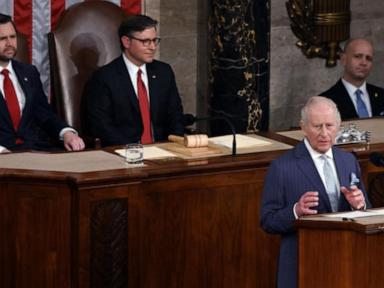
The Empty Spectacle of Soft Power
The cameras flashed. The dignitaries stood. The media industrial complex churned out headlines about "historic milestones" and "strengthening the special relationship."
They lied to you.
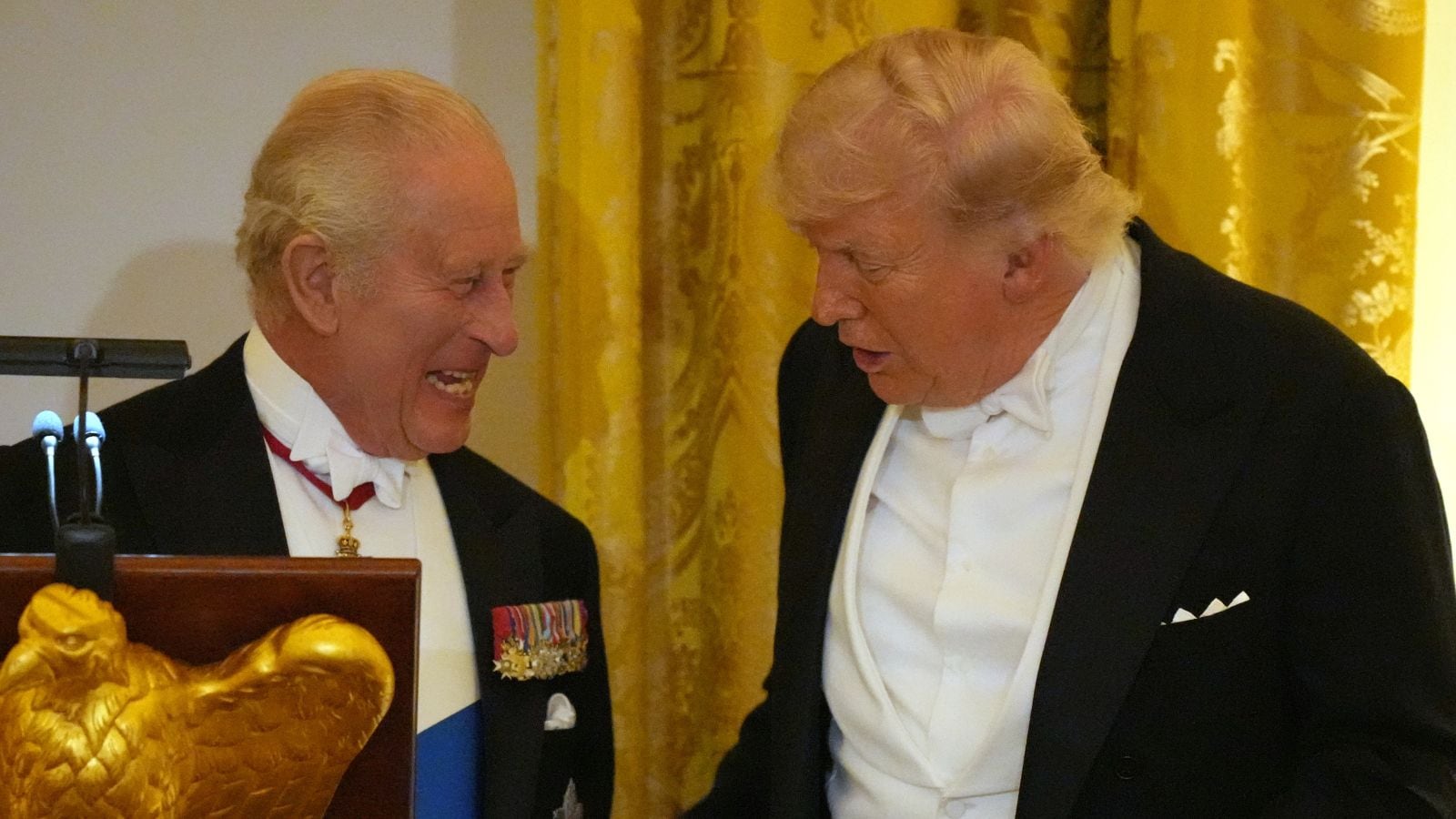
What you witnessed wasn't a pivot point in geopolitics. It wasn't a renewal of democratic ties. It was a high-budget exercise in brand maintenance for an institution that survives on the fumes of its own nostalgia. When King Charles addressed Congress, the consensus was that this mattered. In reality, it was a masterclass in saying everything while changing nothing.
I’ve spent years analyzing how institutional narratives are manufactured. I’ve seen boards of directors burn through eight-figure budgets to "reposition" brands that have lost their utility. The British Monarchy is the ultimate legacy brand, and this speech was its latest marketing activation.
If you’re looking for substance, you’re looking in the wrong place.
The Diplomacy Delusion
The lazy argument suggests that the Monarchy serves as a vital diplomatic bridge. This is the "soft power" defense. Proponents claim that because the King is "above politics," he can open doors that elected officials cannot.
This is fundamentally flawed. In modern statecraft, doors are opened by trade agreements, military intelligence sharing, and semiconductor supply chains. They are not opened by a man in a morning suit talking about common values.
Let’s look at the mechanics of the "special relationship." It is built on the UKUSA Agreement and the Five Eyes intelligence alliance. It is built on the $1.5 trillion in mutual investment between the two nations. These are cold, hard, data-driven realities. To suggest that a speech in the House Chamber adds meaningful weight to these structural pillars is to fundamentally misunderstand how power works in 2026.
Imagine a scenario where the UK and the US have a fundamental disagreement over digital tax policy or NATO spending. Does a royal visit bridge that gap? No. It provides a convenient distraction while the actual negotiators—the bureaucrats and trade reps—grind it out in windowless rooms. The King is the ribbon-cutting ceremony for a bridge that was already built by engineers he’s never met.
The Environmental Hypocrisy
The central theme of the address was, predictably, the climate. Charles has made this his "unique value proposition" for decades. The media eats it up. They call him a "visionary."
I call it a conflict of interest.
The Crown Estate is one of the largest property managers in the world. While the King urges global leaders to adopt radical sustainability, his own portfolio is tied to a system of land ownership that is the antithesis of modern, efficient urban development. You cannot preach about the future while your entire existence is a curated museum of the past.
When he speaks to Congress about "urgent collective action," he isn't providing a roadmap. He’s providing cover. It allows politicians to applaud "commitment" without actually voting for the legislation that would hurt their donors. It’s greenwashing at a sovereign level.
The Cost of the "Free" Speech
"But he doesn't cost the US taxpayer anything," the defenders cry.
Wrong.
The security apparatus required for a royal visit of this magnitude is a logistical nightmare. It pulls local and federal resources away from actual crime prevention. It shuts down commerce in the capital. But more importantly, it costs attention.
Attention is the most valuable currency in DC. Every hour spent debating the "historic nature" of a royal visit is an hour not spent on the debt ceiling, the housing crisis, or the crumbling energy grid. The Royal Family is a black hole for media cycles. They consume the oxygen in the room and leave the public gasping on fluff pieces about his "pithy wit" or the "impeccable tailoring" of his suit.
Dismantling the "Stability" Argument
The most common defense of the Monarchy—and by extension, these speeches—is that they represent stability in an unstable world.
This is the most dangerous myth of all.
Stability in a democracy comes from the strength of its institutions and the participation of its citizens. Relying on a hereditary figurehead to symbolize stability is a sign of institutional rot. It suggests that we are incapable of finding common ground through our own efforts and must instead look to a literal crown to remind us we’re on the same team.
If your democracy needs a British King to remind it of its own values, your democracy is already in the ICU.
The Actionable Truth
Stop consuming the "historic" narrative. When you see these events, ask three questions:
- What specific policy moved 1mm because of this?
- Who is profiting from the media coverage?
- What real news is being buried while we track his motorcade?
The answer to the first is almost always "nothing." The answer to the second is the legacy media outlets desperate for a non-partisan "feel-good" story. The answer to the third is where the real work of the world is happening.
We are told this speech was about the future. It wasn't. It was a desperate attempt to prove that a 1,000-year-old institution is still relevant in an era of AI, decentralized finance, and shifting global hegemonies.
The King didn't come to Washington to lead. He came to ask for permission to keep existing.
The applause was loud. The substance was zero. The theater is closed.
Stop buying tickets.