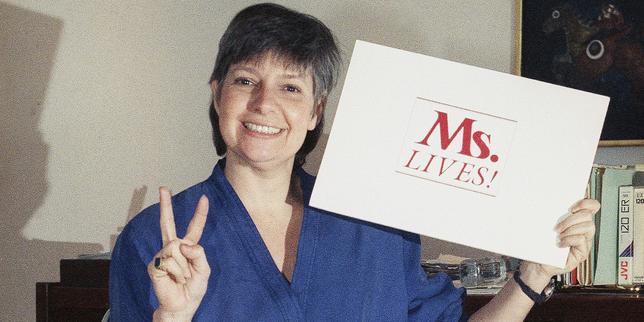
History rarely remembers people who refuse to play nice, but Robin Morgan spent her entire life making sure the world couldn't look away. When she died at 85, she left behind a blueprint for how to dismantle a system from the inside out. You might know her as a brilliant poet or an architect of second-wave feminism, but her story starts somewhere entirely unexpected: Hollywood and the golden age of radio.
Long before she was writing fierce anthologies or getting arrested at protests, she was "Little Robin Morgan," a child star model and actor in the 1940s and 1950s. She had fame handed to her on a silver platter. She walked away from it all. She traded child stardom for an FBI file and a lifetime of unapologetic activism. That alone tells you everything you need to know about her character. She didn't care about comfort. She cared about justice.
When people talk about the women's liberation movement of the 1960s and 1970s, they often sanitize it. They turn it into a polite historical footnote. Morgan's life was the exact opposite of polite. She was right in the middle of the chaos. In 1968, she helped organize the historic protest against the Miss America pageant. She didn't just challenge cultural norms; she ridiculed them out loud.
Her editorial work changed the intellectual playing field permanently. In 1970, she edited Sisterhood is Powerful, an essay collection that became an absolute touchstone for the modern movement. If you haven't flipped through its pages, you should. It captured raw anger, brilliant intellect, and a strategic vision for global equality. She didn't stop there. She coined the term "herstory", reshaping how we look at the past, and she popularized the iconic clenched-fist female symbol.
She took aim at the male-dominated left just as fiercely as she fought the right. In her famous 1970 essay Goodbye to All That, she called out counterculture icons and anti-war leaders who preached revolution while treating women like second-class citizens in their own organizations. She had zero tolerance for hypocrisy. If you were a hypocrite, Morgan put you in your place with words that cut like glass.
Her personal life was just as unconventional. She married the gay poet Kenneth Pitchford in a relationship she described as a two-person commune, and she refused to let rigid labels define her existence. She faced hostility from conservatives who hated her politics and judgment from corners of the movement that tried to box her in. She survived it all with a sharp, dry wit and kept writing.
Even when diagnosed with Parkinson's disease, she kept pushing forward, publishing poetry, speaking out, and co-founding the Women's Media Center alongside Gloria Steinem and Jane Fonda. Her death comes just days after Steinem's, marking the fading of an era that completely reshaped society.
We live in a culture that loves to co-opt rebellion into corporate branding. Morgan's legacy is a sharp antidote to that noise. She reminds us that true change requires grit, intellectual honesty, and a willingness to burn down rooms built on exclusion. Pick up her work. Read her poetry. Understand what it costs to speak the absolute truth when nobody wants to listen.
This video provides direct insight into Robin Morgan's freethought philosophy, worldview, and long-standing activism.