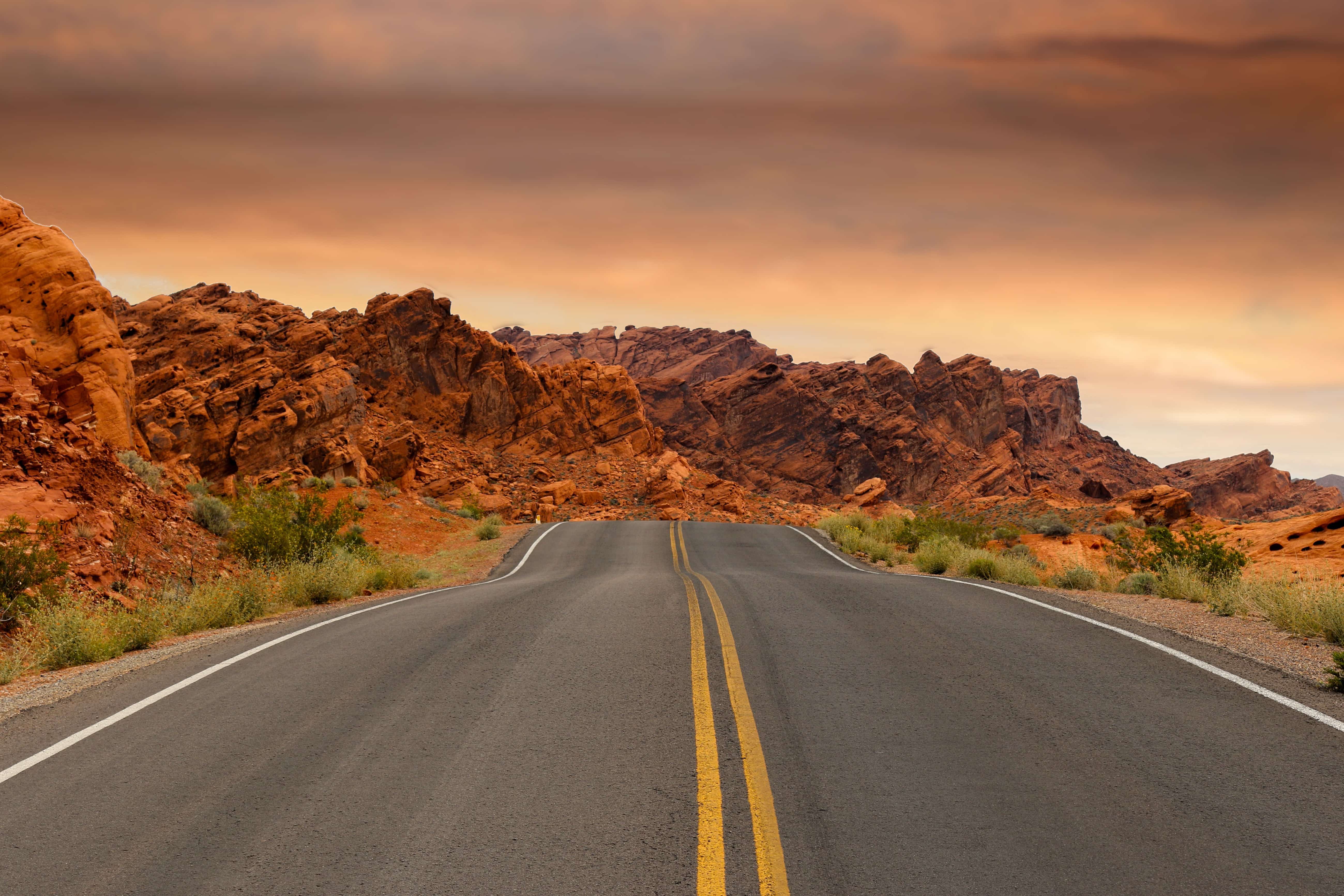
The asphalt in Egypt’s South Sinai does not merely absorb the sun; it consumes it. By mid-afternoon, the highway connecting the coastal stretches to the interior plateaus shimmers under a blanket of white-hot glare, turning the horizon into a fluid, deceptive mirror. To drive here is to enter a dialogue with isolation. For miles, there is nothing. Just jagged limestone mountains, the occasional stubborn acacia tree, and a ribbon of concrete stretching toward the Red Sea.
Drivers talk about the hypnotic quality of the route. After hours of empty desert, the mind drifts. The steering wheel grows heavy.
Then, the illusion breaks.
On a stretch of that very highway, the world narrowed down to twisted steel and shattered glass. Sixteen lives ended in an instant. Twenty-eight others were left fractured, scattered across hospital beds in the aftermath of a catastrophic bus accident that the health ministry logged with cold, administrative efficiency. Sixteen dead. Twenty-eight injured. Numbers on a page. Statistics for a morning bulletin.
Statistics do not bleed.
Consider a hypothetical traveler, someone like Tariq, who climbed aboard a long-distance coach before dawn. He paid a modest fare for a seat that promised to take him across the peninsula. He had a bag tucked beneath his feet, a phone with a dying battery, and a mind full of mundane worries about work waiting at his destination. He watched the pale light of morning crawl over the desert, unaware that the vehicle carrying him was hurtling toward a statistical threshold.
When a bus careens off the tarmac at highway speeds, physics takes over with brutal indifference. There is no time for fear, only a sudden, violent deceleration. Metal screams. Glass explodes like shrapnel. The quiet rhythm of the journey fractures into a chaos of screams, sirens, and the heavy, metallic smell of hot engine oil and burning rubber.
We read these headlines over morning coffee. We register the tragedy, offer a quiet internal murmur of sympathy, and scroll down to the weather or the sports scores. Distance acts as an anesthetic. South Sinai feels remote. Egypt feels remote. A bus crash feels like an isolated glitch in a distant system.
It is not a glitch.
Accidents of this magnitude are the product of accumulated pressures. Across the developing world, long-distance bus networks serve as the veins and arteries of daily commerce. They move the working class, the students, the families visiting relatives across vast geographical expanses. They operate on tight margins, often under relentless pressure to maximize turnaround times. Driver fatigue is an invisible passenger on nearly every nocturnal and long-haul route. Maintenance schedules are stretched to their absolute limits. Tires wear thin against abrasive desert surfaces.
When infrastructure, human endurance, and corporate negligence collide, the desert is an unforgiving witness.
The aftermath of such events follows a predictable, heartbreaking choreography. First comes the chaos. Local ambulances scream down stretches of road where medical facilities are hours apart. Helicopters churn the dry air, kicking up dust storms as they land on the asphalt. Doctors and nurses in regional hospitals find themselves overwhelmed by sudden waves of trauma, working under fluorescent lights with resources that are perpetually stretched too thin.
Then come the families. They arrive at emergency wards in states of frantic disbelief, clutching phones, searching desperate lists of names posted on hospital walls or whispered by exhausted clerks. A name is found. A breath is released. Or a name is missing, and a life shatters in the quiet waiting room of a provincial clinic.
Governments respond with expressions of condolence and promises of investigations. Compensation funds are announced. Speed limits are re-emphasized. Checkpoints are instructed to be more vigilant. For a brief window, public attention fixes on the hazards of the road.
Yet, the desert remains.
The heat returns. The coaches continue their long, lonely runs across the peninsula. Drivers pull their caps low against the glare, clutching steering wheels through the heavy hours of the afternoon, fighting the pull of sleep on stretches of road that seem to go on forever.
The sixteen who died on that South Sinai highway are no longer statistics to the people who loved them. They are empty chairs at dinner tables, unfinished conversations, and sudden, echoing silences in homes across the country. They are a stark reminder that modern mobility carries a hidden toll, paid in moments of human vulnerability on the edges of civilization.
As the sun dips below the horizon, painting the limestone cliffs in shades of bruised purple and gold, the desert reclaims its silence. The highway waits for the next vehicle, indifferent to the weight of what has passed, and entirely unaware of what is still to come.