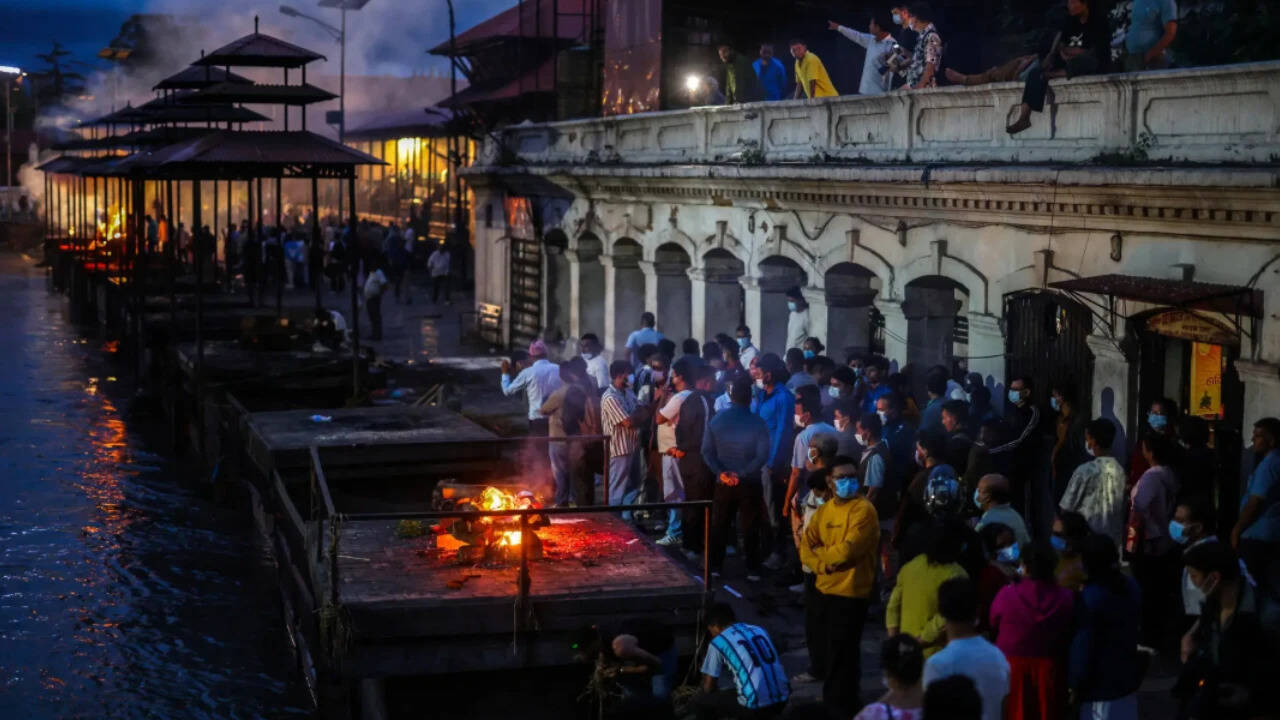
The headlines from Nepal follow a predictable, exhausting script. When monsoon floods wash away entire settlements, the media inevitably pivots to the most theatrical element available: families burning kusha grass effigies because no physical corpse remains for the funeral pyre. The narrative focuses entirely on the spiritual paralysis of missing remains.
This framing is lazy. It turns a massive systemic infrastructure failure into a poignant cultural vignette.
We watch grieving relatives perform symbolic cremations while missing the point entirely. The tragedy is not that a ritual cannot be completed according to ancient texts. The tragedy is that people were forced to live in a flood zone where death was an actuarial certainty, engineered by decades of institutional negligence and unchecked land corruption.
Focusing on the absence of bodies allows politicians and disaster agencies to hide behind cultural sympathy. It shifts the blame from drainage systems, unzoned riverbanks, and corrupt municipal planning to the cruelty of nature.
The Myth of the Unpreventable Act of God
Every monsoon season, disaster reporting relies on the crutch of the inevitable. We are told that the Himalayas are fragile, that climate change makes rainfall unpredictable, and that water simply takes what it wants.
That is nonsense.
Water follows gravity. It moves predictably through watersheds that have been mapped for centuries. When rivers swell, they occupy their historical floodplains. When human beings build concrete shanties and luxury housing developments directly in those floodplains, physics does not negotiate.
I have watched local authorities wave through illegal construction permits in high-risk river basins for the price of a bribe or a political favor. When the inevitable deluge hits, those same officials appear at press conferences looking solemn, offering condolences about missing persons and discussing the spiritual grief of families who cannot find their dead.
They want you to look at the burning kusha grass because it distracts you from the zoning permits signed six months prior.
Disaster management in South Asia is rarely a failure of meteorology. It is a failure of governance packaged as divine tragedy.
Why Cultural Focus Masks Structural Rot
The obsession with funeral rites during natural disasters serves a specific political function. It personalizes a mass casualty event.
When you read about a mother burning grass effigies for a child swept down the Arun or Karnali rivers, your empathy engages on a human level. But that empathy is hijacked. Instead of asking why early warning systems failed or why flood defenses were never reinforced with the millions of dollars allocated in foreign aid budgets, the reader is left contemplating the sorrow of Hindu mortuary traditions.
Anthropologists and cultural commentators fall into this trap constantly. They write long essays about the elasticity of ritual, explaining how kusha grass substitutes for flesh and bone when a corpse is lost to the current.
This is intellectual escapism.
We do not need a philosophical breakdown of proxy cremations. We need an audit of the public works department. We need to know why retaining walls built three years ago dissolved like sugar water while private contractors bought luxury apartments in Kathmandu.
The Brutal Math of Missing Persons
Let us look at the data that the emotional coverage omits. When floodwaters move at high velocity through narrow mountain gorges, they carry boulder-laden slurry. Human remains are pulverized or buried under meters of dense sediment.
Search and rescue operations in these environments are expensive, dangerous, and often futile after the first forty-eight hours. Yet, local police are frequently pressured to maintain theatrical search efforts long after survival probability drops to zero. Why? Because an active search looks like action. It satisfies the optics of rescue.
Meanwhile, upstream watershed management remains underfunded. The real intervention happens months before the monsoon clouds gather—by reinforcing river embankments, relocating vulnerable communities out of high-risk alluvial fans, and enforcing strict building codes.
Preventing a body from going missing in the first place is infinitely more valuable than finding an innovative way to cremate grass after the fact.
Moving Past Performative Empathy
If we genuinely care about the victims of seasonal floods, we have to stop romanticizing their grief and start dismantling the systems that put them in harm's way.
That means refusing to accept "natural disaster" as an excuse for human incompetence. It means holding municipal leaders legally accountable for every unauthorized settlement allowed to proliferate in a riverbed. It means tracking aid money down to the last bag of cement used for flood barriers, rather than waiting for the next tragedy to write another tear-jerking profile about missing corpses and burning straw.
The smoke from a kusha effigy fades into the mountain air within minutes. The corruption that cleared the land for the flood to take them lingers until the next rain.
Stop watching the smoke. Look at the zoning maps.