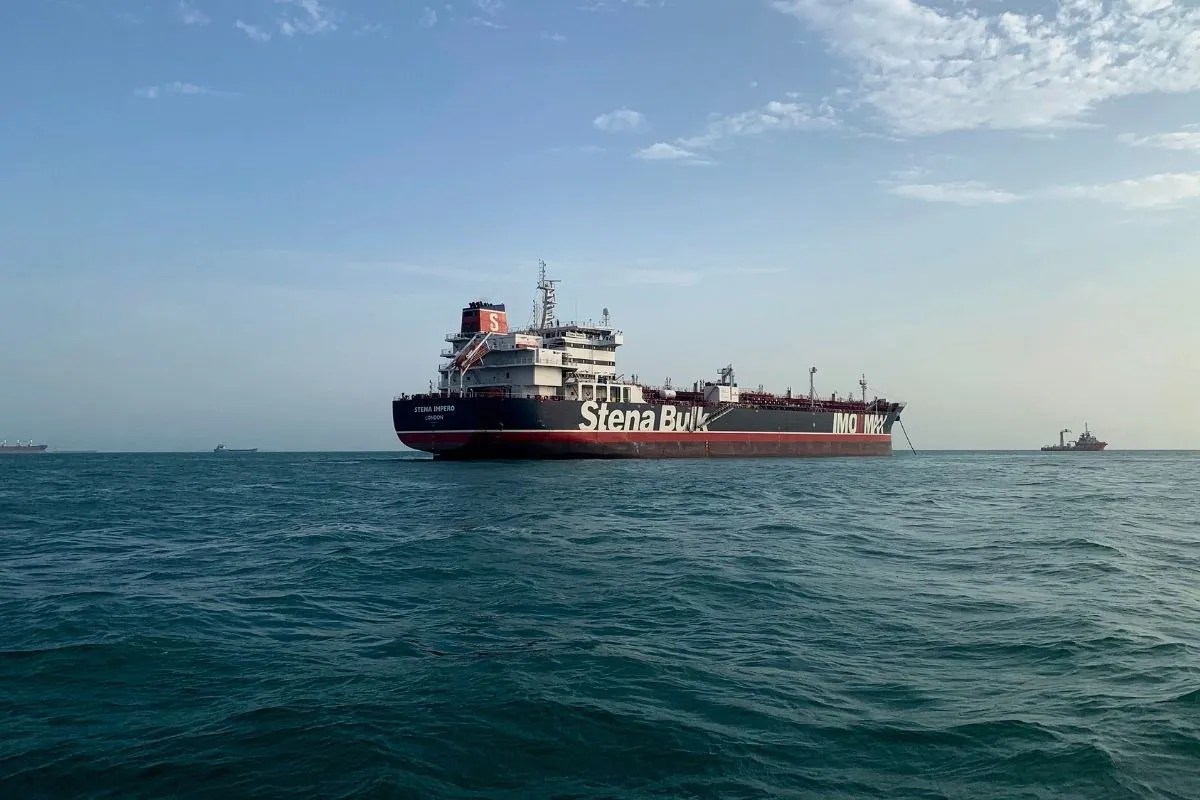
Seafaring is a brutal business. When an engine fails in rough open waters, a ship transforms from a fortress into a floating coffin within minutes. That is exactly what happened to the mechanised sailing vessel Virat 1, an Indian-flagged dhow that found itself taking on water and sinking 80 nautical miles east of Ras Al Hadd off the coast of Oman.
Fourteen Indian sailors were onboard, watching the ocean reclaim their vessel. They survived. While early reports celebrate the quick work of a US Navy aircraft and a passing cargo ship, the incident exposes a deeper, much thornier reality about maritime safety and geopolitical friction in these specific waters.
The Anatomy of a High Seas Rescue
The emergency unfolded rapidly on Sunday morning. The Virat 1 suffered a catastrophic mechanical breakdown, lost power, and began flooding. When a wooden or light-steel dhow starts taking on water in the Arabian Sea, the crew has a dangerously tight window to act.
A coordinated international response kicked into gear before the vessel slipped beneath the waves.
- The Eye in the Sky: A US Navy P-8 Poseidon maritime patrol aircraft, patrolling the volatile shipping lanes of the region, picked up the distress situation.
- The Lifeline: The P-8 crew acted fast, dropping an emergency life raft directly to the scene and monitoring the 14 Indian sailors as they abandoned the sinking dhow.
- The Surface Intercept: The US Navy alerted local shore authorities and diverted the MV Jabal Ali 9, a St. Kitts and Nevis-flagged commercial merchant ship operating nearby, to pull the sailors out of the water.
The Indian Embassy in Muscat quickly confirmed that all 14 crew members made it onto the life raft safely. Omani authorities took over the coordination of the final rescue steps, while Indian Navy warships shifted their coordinates to head toward the area. Everyone gets to go home. On paper, it is a textbook example of high-seas camaraderie.
The Unspoken Tension Beneath the Cooperation
Look past the clean press releases. This rescue happened in a highly sensitive maritime corridor near the Strait of Hormuz, a critical chokepoint currently plagued by geopolitical chaos. The timing of this rescue makes things incredibly awkward for New Delhi and Washington.
Just days before the Virat 1 lost its engine, India fiercely protested against the US military. The Ministry of External Affairs even summoned US Chargé d’Affaires Jason Meeks in New Delhi. Why? Because recent US naval strikes on commercial vessels in the Gulf of Oman had recently killed three Indian mariners. India’s External Affairs Minister S. Jaishankar even called US Secretary of State Marco Rubio to state bluntly that lethal actions against civilian shipping are entirely unjustified.
So, you have a situation where the US Navy is actively rescuing Indian sailors on Sunday, while New Delhi is still furious at Washington over dead Indian sailors from Friday. Shipping directorate sources were quick to clarify that the Virat 1 incident was strictly a technical breakdown and not linked to any military strikes. Even so, the optics are messy. It shows how dependent merchant shipping remains on international naval patrols, even when those same navies are causing diplomatic crises in the region.
Why Small Dhows Face Such High Risks
The Virat 1 is a mechanised sailing vessel, a modern iteration of the traditional dhow. These vessels are the lifeblood of regional trade between India, the Gulf, and the Horn of Africa. They carry everything from spices and electronics to livestock.
They also lack the heavy compartmentalization of massive container ships. If a major vessel suffers an engine failure, it drifts. If a dhow suffers an engine failure and a seal fails, it sinks. Maintenance standards on smaller regional vessels are notoriously difficult to police, and when you mix aging machinery with unpredictable open-ocean swells, disaster is a constant companion.
The Indian Directorate General of Shipping has spent years trying to enforce stricter safety protocols on these smaller craft. The reality is that tracking and regulating hundreds of independent dhows across the Arabian Sea is nearly impossible.
What Happens Next for the Crew and Regional Shipping
The immediate danger has passed, but the administrative and logistical nightmare for the 14 sailors is just beginning. They are currently safe aboard the MV Jabal Ali 9 or under Omani care, but recovering from a shipwreck involves a tedious bureaucratic process.
- Repatriation and Documentation: Losing a ship means losing your passport, continuous discharge certificates (CDC), and personal belongings. The Indian Embassy in Muscat will have to issue emergency certificates to get these men home.
- The Marine Investigation: Omani maritime authorities and the Indian shipping ministry will look into why a recently certified vessel suffered such an immediate, catastrophic structural or mechanical failure.
- Heightened Naval Vigilance: Expect the Indian Navy to increase its own independent escort assets in the Gulf of Oman. Relying on foreign navies for search and rescue is standard practice, but given the current diplomatic friction with the US, India wants its own warships handles its own people.
If you are an operator running smaller commercial cargo vessels through the Arabian Sea right now, double-check your propulsion systems, inspect your bilge pumps, and ensure your satellite communications are fully operational before clearing port. The waters off Oman are not forgiving, and you cannot always count on a patrol plane passing overhead at the exact moment your engine dies.