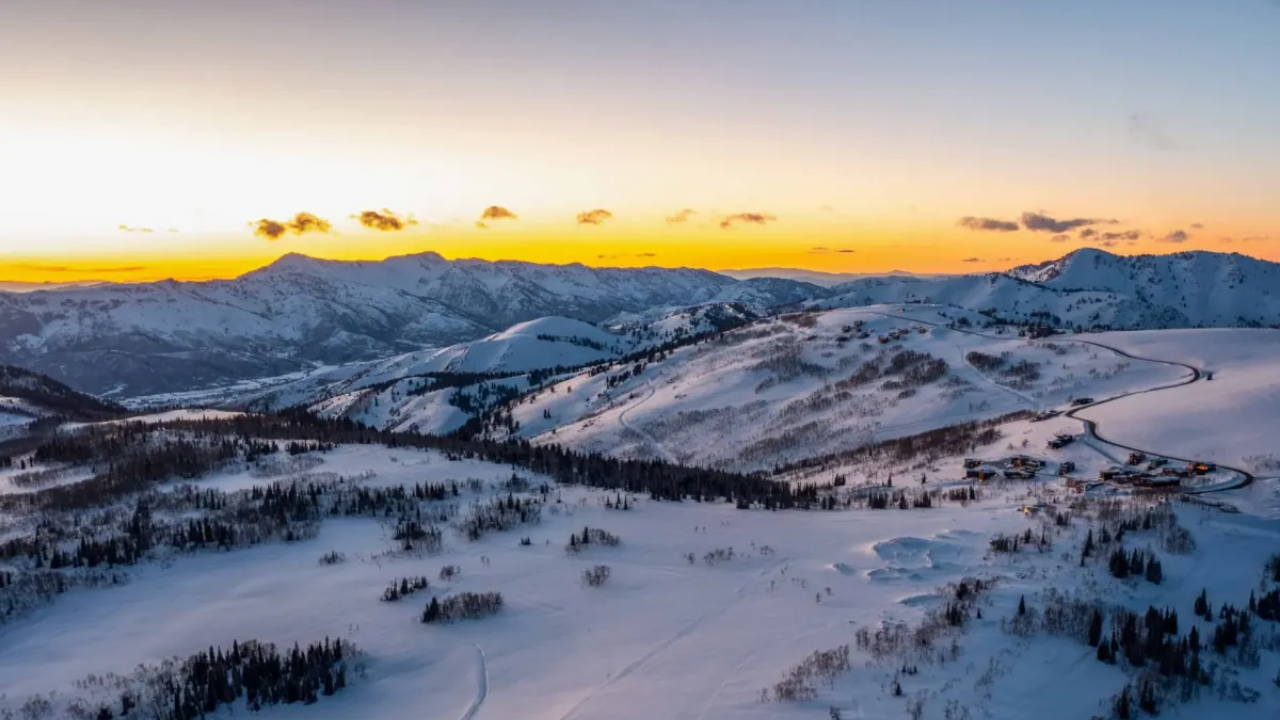
When Netflix co-founder Reed Hastings bought a controlling stake in Utah’s Powder Mountain for $100 million back in 2023, traditional skiers panicked. People assumed the tech billionaire would slap a massive corporate resort model onto one of North America's last uncrowded ski havens, turning empty powder bowls into an overpriced tourist trap.
Instead, he’s doubling down with an additional $200 million injection. But what’s actually happening on the ground reveals a much more calculated experiment in modern mountain monetization, real estate development, and private-public hybrid skiing.
If you look past the standard press releases, the strategy here isn't just about building better chairlifts. It's about reshaping how private wealth funds public outdoor access.
The Financial Reality Behind the Snow
Before Hastings stepped in with a checkbook, Powder Mountain was struggling to turn a profit. Operating a massive ski area with thousands of acres of terrain is an expensive logistical nightmare. Short seasons, unpredictable snowfall, and high labor costs mean traditional lift ticket sales barely keep the lights on for independent resorts.
Hastings recognized a fundamental truth about the ski industry: you don't make money from people buying a $150 day pass. You make money by selling real estate next to the snow.
By restructuring the mountain into a blend of public skiing and exclusive private terrain, Hastings created a dual-revenue engine. The money flowing from high-net-worth buyers purchasing multi-million dollar homesites directly subsidizes the infrastructure upgrades for everyday skiers.
Where the New Capital is Going
The initial $100 million bought control and initial fixes, but this fresh $200 million wave targets major structural expansion. The resort is rapidly scaling up its real estate footprint. The first residential phase sold out entirely, prompting the rollout of the Prado neighborhood with dozens of larger homesites and pre-built chalets.
At the same time, the mountain isn't completely locking out the public. Upgrades are hitting the public-facing side too, including a revamped Sundown lift, a dedicated beginner-focused Doodle lift, and plans for a massive 15,000-square-foot Sundown base lodge.
You get a clear split in philosophy: private lifts and exclusive access zones fund the high-end residential communities, while the core mountain infrastructure gets modern updates that benefit everyone else on the hill.
What This Means for the Future of Ski Towns
Independent ski resorts are vanishing. They either get swallowed up by massive corporate conglomerates like Vail Resorts and Alterra, or they go bankrupt. Hastings is carving out a third path.
By treating a mountain like a venture-backed tech platform, he’s testing whether private equity communities can keep independent culture alive while remaining financially solvent. Critics argue this model slowly prices out regular locals, turning wide-open backcountry into gated winter playgrounds for tech executives. Supporters argue it’s the only way to save heritage mountains from financial ruin without turning them into cookie-cutter corporate megaplexes.
Either way, the playbook being written at Powder Mountain will change how investors look at outdoor recreation assets for the next decade. If you're planning your next winter trip, expect the lift lines to move faster, the real estate prices to climb higher, and the debate over who truly owns the mountain to grow louder.