The badge on a law enforcement officer’s belt carries a specific kind of weight. It commands immediate deference, whispers promises of safety, and grants a level of systemic authority few civilians ever touch. But inside a home, behind a locked front door, that same badge can transform into something far darker—a symbol of absolute invulnerability for a person prone to violence.
When news broke of a deadly shooting in Maine involving an active agent from Immigration and Customs Enforcement, the initial headlines followed a predictable, mechanical cadence. A confrontation occurred. A life ended. Investigations were launched.
Then came the voices from the officer's past.
Multiple former wives stepped out of the shadows, breaking years of heavy silence to share a chillingly consistent record of severe domestic abuse, coercive control, and relentless intimidation. Their testimonies did not reveal a sudden, unpredictable snap. They painted a picture of a slow, deliberate pattern—a history of red flags that burned bright for years while the machinery of law enforcement looked the other way.
The Shield and the Shadow
Living with an abusive partner is a nightmare in any context. Living with an abusive law enforcement officer is a psychological trap with almost no exits.
Consider the dynamic. Who does a victim call when the person breaking the law is the person who enforces it?
When an ordinary citizen threatens a spouse, the victim reaches for the phone to dial 911. But when the aggressor wears a uniform, knows every deputy in town, understands how to manipulate a crime scene, and carries a government-issued firearm to dinner, that phone becomes useless. The agency meant to protect becomes part of the wall closing in.
The ex-wives described a terrifying reality where complaints were brushed aside, rationalized, or buried entirely. They spoke of the distinct terror that comes with knowing your abuser has access to federal databases, training in tactical restraint, and an institution full of colleagues primed to give him the benefit of the doubt.
It is a quiet, suffocating kind of power. Violence does not always begin with a physical blow. It begins with the subtle erosion of reality. It starts when an abuser reminds their partner of their standing, their connections, and the utter hopelessness of trying to blow the whistle.
The Institutional Deaf Ear
How does a man with a documented history of severe domestic violence retain a badge, a gun, and federal authority?
The answer lies in a systemic blind spot that borders on complicity. Across many law enforcement entities, internal affairs investigations and background checks often treat domestic incidents as private matters—he-said-she-said squabbles disconnected from professional duty.
Yet study after study reveals a stark truth: officers who commit domestic violence are overwhelmingly more likely to misuse force on the job. A person who uses control and fear to dominate their family does not magically transform into a measured, empathetic protector when they clock in for a shift.
The warning signs were not faint. They were deafening.
Yet the system worked as it so often does for those on the inside. Incidents were kept off official records or downplayed as personal friction. The institutional machinery prioritizes shielding the agency's reputation over addressing the cancer within its ranks.
The consequences of that protection are never contained within four walls.
The Endpoint of Silence
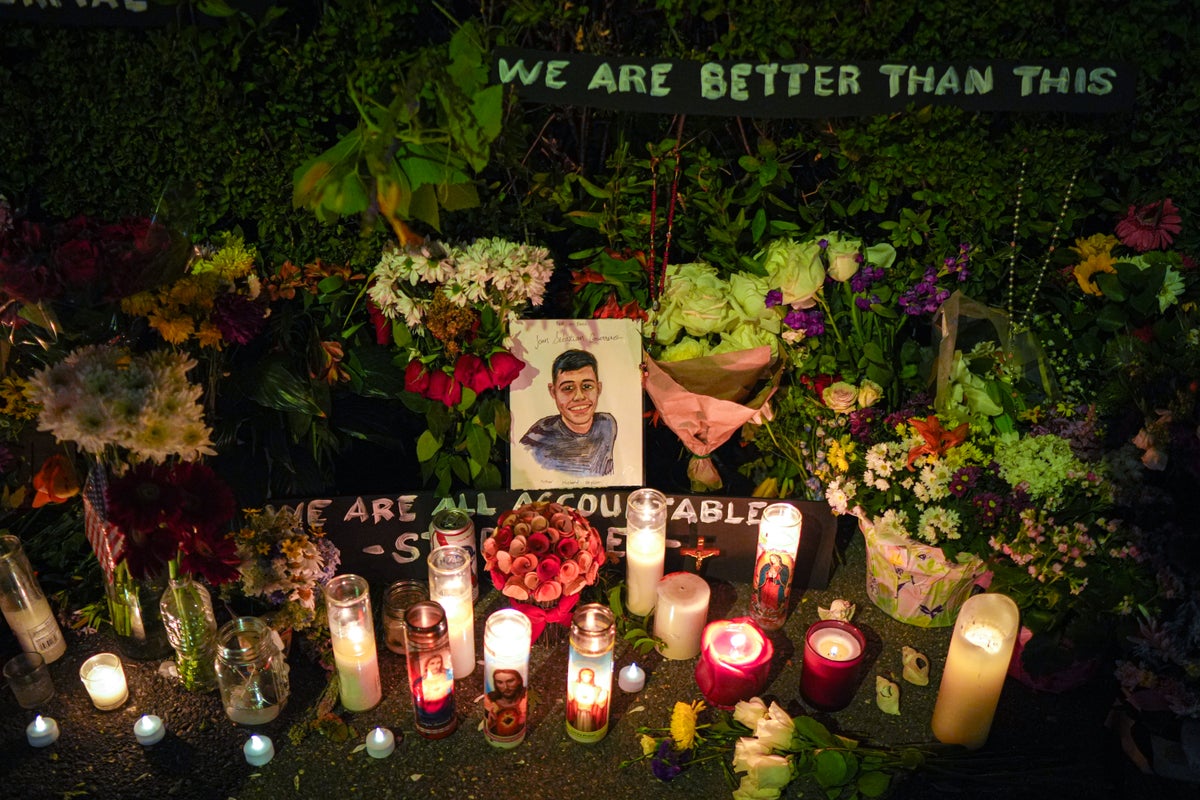
When domestic abuse within law enforcement goes unaddressed, the danger metastasizes. It cascades outward until it spills into the public square, ending in a violent crescendo that leaves someone dead on a quiet street in Maine.
The shooting was not an isolated tragedy. It was the predictable destination of a long, unchecked road.
When those former wives spoke out after the gunfire cleared, they were not seeking retribution. They were offering a autopsy of a failed safeguard system. Their accounts offered proof that the tragic outcome was preventable—if only someone in power had chosen to listen when the harm was happening behind closed doors.
We treat these events as sudden disasters, like lightning strikes out of a clear sky. We print the press releases and hold the briefings. But the truth is far more uncomfortable. The storm was visible on the horizon for years.
A badge is meant to be a symbol of public trust. When it becomes armor for an abuser, the failure belongs to everyone who helped hold up the shield.
The voices of those who survived his past now linger over the tragedy in Maine, posing a question that demands an answer long after the crime scene tape comes down: How many more warnings must be delivered before we finally decide to listen?