The ground didn’t just shake in the village of Ittefaq on Friday night; it essentially pulled the rug out from under a family that thought they had finally reached safety. They’d spent years in Iran, only to return to an Afghanistan that greeted them with a collapsing wall. Now, eight members of that single family are dead. It's a brutal reminder that for the millions of Afghans heading back home, "safety" is a relative term.
A homecoming turned into a nightmare
Najibullah and his family weren’t in a sturdy house when the 5.8-magnitude quake hit. They were in a tent. Having returned from Iran just 15 days earlier, they were living on a patch of land on the eastern outskirts of Kabul because they had nowhere else to go.
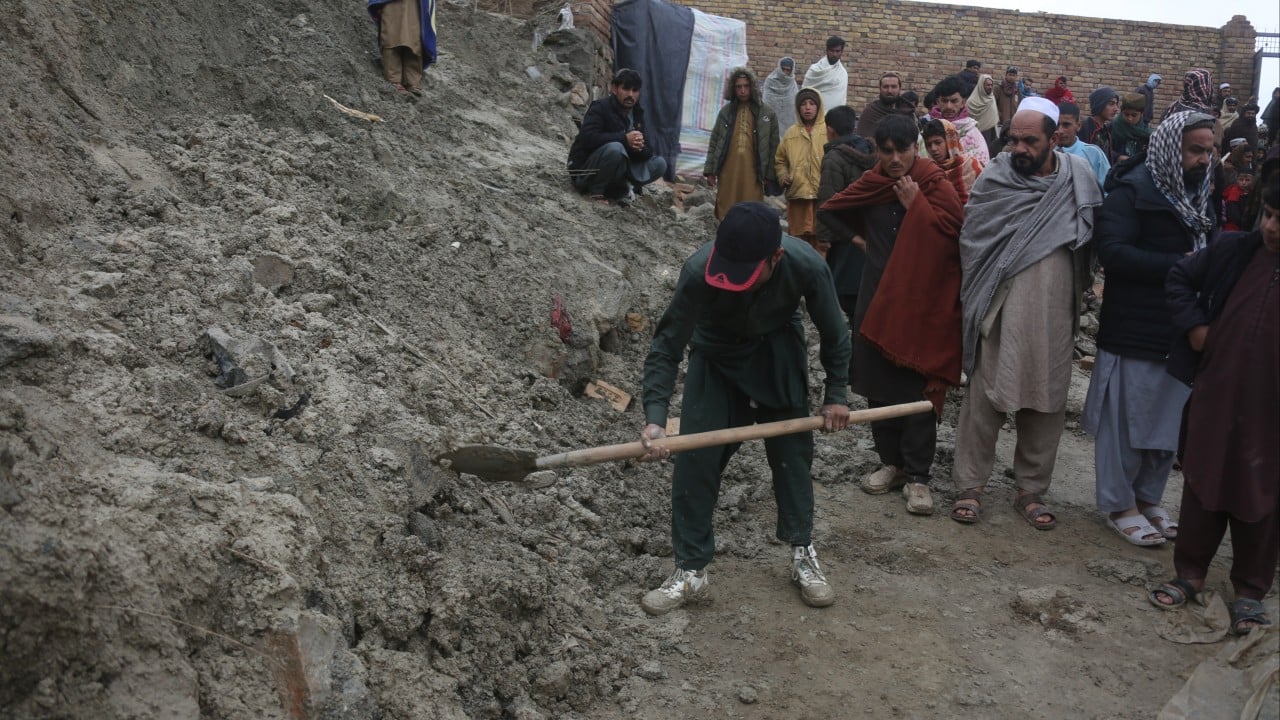
Mohibullah Niazi, a neighbor, told reporters he’d actually invited the family to sleep in his guest room just half an hour before the disaster. He wanted them out of the cold and the rain. They declined. When the tremor struck at 8:42 pm, the rain-soaked earth couldn't hold. A massive wall separating their plot from Niazi’s higher ground gave way, burying the tent under mud and rock.
Niazi says he could hear their screams for about three minutes. Then, nothing.
The lone survivor
The only one who made it out alive is a three-year-old boy named Aarash. Rescuers pulled him from the wreckage with a severe head injury. He’s currently in a Kabul hospital, the sole remaining member of a family that included his parents, four sisters, and two brothers. The sisters were between 12 and 23 years old.
Why this specific quake was so lethal
On paper, a 5.8-magnitude earthquake at a depth of 186 kilometers doesn't always spell catastrophe. The USGS noted the epicenter was in the Hindu Kush mountains in Badakhshan province. But in Afghanistan, the magnitude isn't the only killer. It’s the combination of poor infrastructure and recent weather patterns.
- Saturated Soil: Afghanistan has been hit with heavy rains and flash floods recently. This turned the earth into a soft, unstable mess.
- Makeshift Shelters: Thousands of returnees live in tents or mud-brick huts that have zero seismic resilience.
- Location: Even though the epicenter was far north, the tremors were strong enough in Kabul to topple weakened structures.
The deputy government spokesman, Hamdullah Fitrat, confirmed the total death toll across the country has reached 12. Damage has been reported in Kabul, Panjshir, Logar, Nangarhar, Laghman, and Nuristan.
The bigger picture for Afghan refugees
This isn't just an isolated tragic story. It's a symptom of a massive, ongoing humanitarian crisis. Since 2023, both Iran and Pakistan have been cracking down on undocumented Afghans. Millions are being pushed back across the border.
When they arrive, they don’t find jobs or housing. They find a country that sits on one of the most active tectonic regions on the planet. Just last August, a 6.0 quake in Kunar province killed over 2,200 people. Before that, in October 2023, the Herat earthquakes killed thousands more.
If you’re a returnee, you’re often choosing between a war-torn or hostile host country and a homeland that lacks the resources to protect you from the next big shake.
What needs to happen now
The current government and international aid agencies have a massive gap to bridge. It’s not enough to just "welcome" people back.
- Winterized and Seismic-Proof Shelters: Tents are death traps in earthquake zones. Building simple, reinforced structures needs to be the priority for returnee camps.
- Better Early Warning Systems: While you can't predict an earthquake, better geological monitoring in the Hindu Kush could save lives in the more populated valleys.
- Disaster Literacy: Neighbors like Niazi did what they could, but many don't have the tools or training to conduct rapid rescues before the "screams stop."
If you want to help, focus your support on organizations providing direct shelter assistance to Afghan returnees. The Red Crescent is currently on the ground, but the scale of the returnee crisis means the need for permanent, safe housing is only growing. Stop thinking of this as just a "natural disaster"—it's a housing and refugee crisis that the earth just happens to be exposing.
Keep an eye on the official updates from the Afghanistan Disaster Management Authority for the most recent casualty counts and aid drop locations.