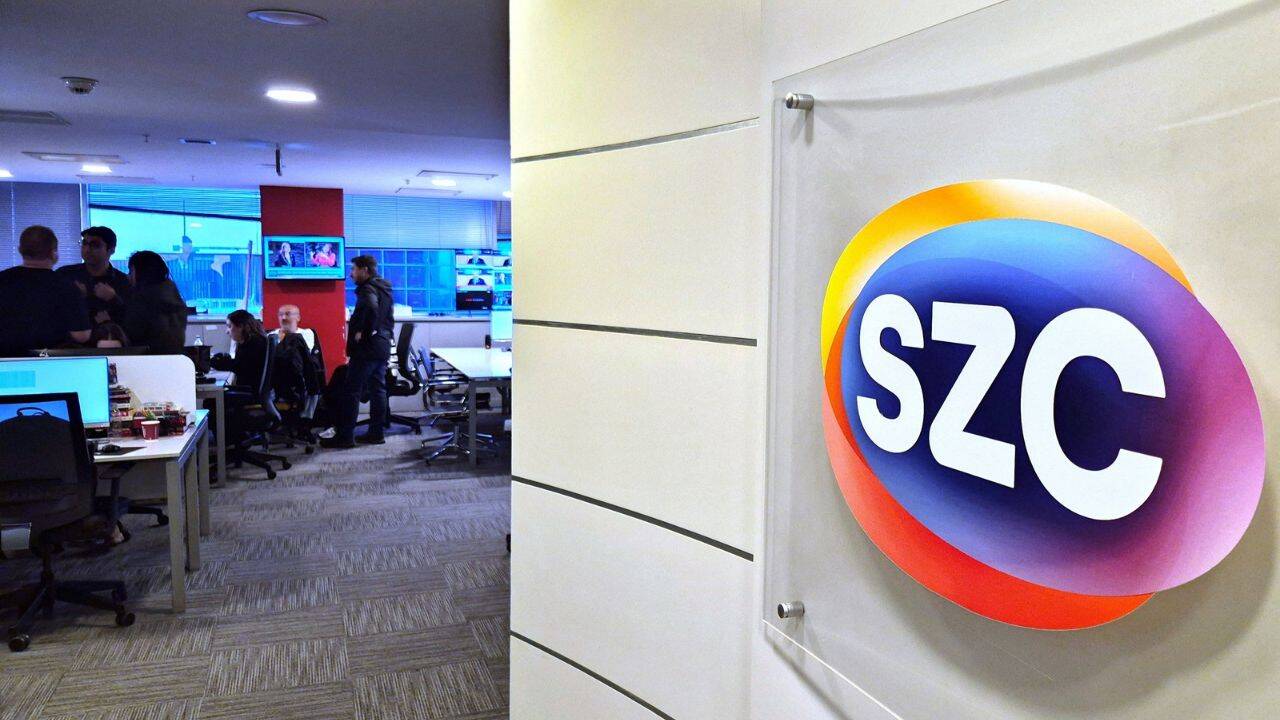
Pre-dawn police raids rarely look like standard corporate compliance checks. When counterterrorism units swept into the Istanbul headquarters of Sozcu TV on November 17, 2026, they didn't just confiscate hard drives or question staff. They knocked one of Turkey's last major opposition broadcasters off the air, detained four senior executives, and handed control of both the television network and its flagship website (sozcu.com.tr) to state-appointed trustees.
By midday, the broadcast resumed. The logo on the screen hadn't changed, yet the newsroom behind it was suddenly answering to the Savings Deposit Insurance Fund (TMSF), a state agency originally designed to manage bankrupt banks.
Most coverage of the Sozcu TV raid treats it as a sudden, isolated shock. It isn't. If you've followed Turkish media regulations and courtroom battles over the past decade, you know this takeover relies on a very specific legal playbook—one that turns decade-old investigations and financial oversight rules into an instant off-switch for critical journalism.
The Exact Timeline of the Sozcu TV Raid
Understanding what actually unfolded requires separating the courtroom paperwork from the newsroom reality. The operation didn't target the entire media group evenly, which tells you a lot about what authorities wanted to silence first.
In the early hours of Tuesday, November 17, police executed search and detention orders issued by the Istanbul Chief Public Prosecutor's Office. Four individuals tied to the company's leadership and finances were taken into custody:
- Funda Tuncer Sıdalı, chairperson of Sozcu TV's board of directors
- Mustafa Asım Akgül, former general manager for the Sozcu Media Group
- Yonca Yücekaleli, fiscal manager and financial affairs director for Sozcu Newspaper
- İsmail Öz, former authorized signatory for companies operating under the Sozcu Media Group
After three days in police custody, prosecutors brought the four before a judge. By November 20, all four were released under judicial control—meaning they avoided pre-trial prison, though courts slapped them with strict international travel bans and mandatory check-ins with local authorities. (Local monitoring outlets also noted that one suspect faced house arrest conditions alongside the travel restrictions.)
While those four were sitting in interrogation rooms, the Istanbul Fourth Criminal Judgeship of Peace signed off on a far more permanent move. The court appointed the TMSF as trustee over Mega Ajans ve Reklamcılık Ticaret A.Ş., the corporate entity operating Sozcu TV and sozcu.com.tr.
Curiously, the print editions of the daily newspaper Sozcu—along with its sister print papers Korkusuz and Tavır—were left untouched by the trustee order. Why? Because in 2026, print newspapers reach a fraction of the voters that live television and high-traffic news portals command. Taking over the broadcast signal and the domain cuts off mass real-time reach overnight.
Why Prosecutors Used a Ten-Year-Old Case
Here's the detail that makes legal observers wince. The official justification for the raid wasn't a recent broadcast or a newly uncovered editorial scandal. Prosecutors tied the operation to a nearly decade-old investigation dating back to 2016.
Authorities accused Sozcu Media Group's exiled owner, Burak Akbay, of financing Mega Ajans and Estetik Yayıncılık through overseas bank accounts and acting in line with the network of Fethullah Gülen, the late US-based cleric whom Ankara blames for the failed July 2016 military coup and designates as a terrorist organization (FETÖ/PDY).
There's a glaring problem with that narrative, and Sozcu Group lawyer Ersan Barkın pointed straight to it immediately after the raid.
In an earlier trial stemming from that exact same 2016 case file, seven Sozcu journalists and executives were convicted of aiding the network. Turkey's own Supreme Court of Appeals overturned those convictions. Following a retrial, all seven defendants were fully acquitted in March 2025. Because Akbay lived abroad, his file had been separated from the main trial—leaving an open legal thread that prosecutors pulled nearly two years after the acquittals to justify seizing the broadcaster's assets.
Think about what that means in practice. Even when defendants beat charges at the highest appellate level, separated case files can sit on a shelf for years, waiting to be reactivated as administrative triggers for a corporate seizure.
How the Trustee Playbook Works
If you aren't familiar with how the Savings Deposit Insurance Fund (TMSF) operates in Turkish media cases, it's easy to misunderstand what a "trustee" actually does.
In Western corporate law, a receiver or trustee steps in to protect creditors when a company goes insolvent. In Turkey, emergency decrees introduced after 2016 and subsequent anti-terror financing statutes gave courts the power to hand private companies over to the TMSF before any final criminal conviction is reached.
Once TMSF officials walk through the door:
- The existing board loses all signing authority. The chairperson and executives can no longer approve budgets, hire editors, or set editorial policy.
- State-appointed managers take the wheel. TMSF installs its own administrators to run daily operations and control company bank accounts.
- Editorial lines shift almost immediately. Without firing every reporter on day one, trustees control who gets airtime, which breaking stories lead the evening bulletin, and which opposition politicians get invited onto debate panels.
It's a quiet takeover dressed up as financial administration. You don't need police permanently stationed in the studio once the state controls the payroll and the broadcast license.
The Bigger Pattern Across Opposition Broadcasters
To see why press freedom groups reacted with alarm, you have to zoom out just a few weeks. The Sozcu TV raid didn't happen in a vacuum; it followed an almost identical blueprint used against other independent stations.
Just over a month before the Sozcu operation, Turkish police raided Halk TV, another major opposition-aligned network, placing it under TMSF trustee management as well. Before that, TELE1 was hit with trustee control. According to tracking by the independent news site Velev, Turkish courts have placed at least 11 television and digital media outlets under TMSF management since March 2025 alone.
Before the physical raids even started, regulatory pressure had been tightening the screws for months. Back in July 2025, Turkey's broadcasting watchdog, RTÜK, forced Sozcu TV off the air for 10 days after accusing the channel of inciting hatred during its live coverage of protests surrounding the arrest of Istanbul Mayor Ekrem İmamoğlu.
When ten-day broadcast bans and heavy fines failed to stop critical reporting, the strategy shifted from punishing broadcasts to replacing the owners' management altogether.
International watchdogs haven't minced words about this escalation. The Committee to Protect Journalists (CPJ) warned that seizing Sozcu TV wipes out one of the few remaining independent broadcast voices in the country. On November 19, the Media Freedom Rapid Response (MFRR) coalition demanded an immediate reversal of the TMSF appointment, and by November 26, six international press freedom and human rights organizations issued a joint call urging Ankara to remove state trustees from Sozcu TV, Halk TV, and TELE1.
What You Should Watch Next When Tracking Turkish Media
If you're a journalist, researcher, or reader trying to follow reliable news out of Turkey right now, relying on legacy brand names alone will mislead you. A channel keeping its old name on satellite and YouTube doesn't mean its original editorial team is still calling the shots.
Verify who holds corporate control before citing any Turkish broadcaster as "independent" or "opposition-aligned." Check whether the outlet appears on current TMSF trustee registries or recent CPJ Europe and Central Asia alerts, since editorial framing on domestic politics and court cases shifts rapidly once trustees take over.
Pay close attention to the split between print, broadcast, and digital domains. While sozcu.com.tr and Sozcu TV fell under the November 17 trustee order, print outlets like Sozcu, Korkusuz, and Tavır remained outside the seizure. Tracking where unseized newsrooms migrate—whether through independent YouTube channels, Substack newsletters, or exiled digital outlets—is now essential if you want an unfiltered picture of what's happening on the ground.
Finally, watch the appellate court dockets rather than the initial prosecutor press releases. As the March 2025 acquittals in the earlier Sozcu trial proved, initial anti-terror financing allegations often collapse under higher judicial scrutiny—even if the damage to an independent newsroom's operations happens years before a final verdict is ever read.
For a visual recap of the raid and how trustees took over operations, watch Turkey's Media Crackdown Escalates as Police Raid Sozcu TV, which covers the initial police operation and immediate press freedom backlash.


