One person died and several others were wounded when a gunman opened fire from a car in the western Paris suburbs on October 23, 2026. French Prime Minister Sébastien Lecornu quickly called the situation "very serious" and pledged that security forces and the judiciary were fully mobilized.
Short breaking-news alerts leave out the hardest questions. Why did anti-terrorism prosecutors step in? What pushed a gunman into a 15-to-20-minute drive-by across Trappes and neighboring La Verrière? And how did an already volatile political week turn even darker?
When a headline reduces a complex crisis to a single casualty count, you miss the real story. This wasn't an isolated street dispute or a random accident. Authorities quickly treated it as a potential racist terrorist attack unfoldng inside a country already strained by mass protests, street clashes, and bitter political blame.
What Happened Across Trappes and La Verrière
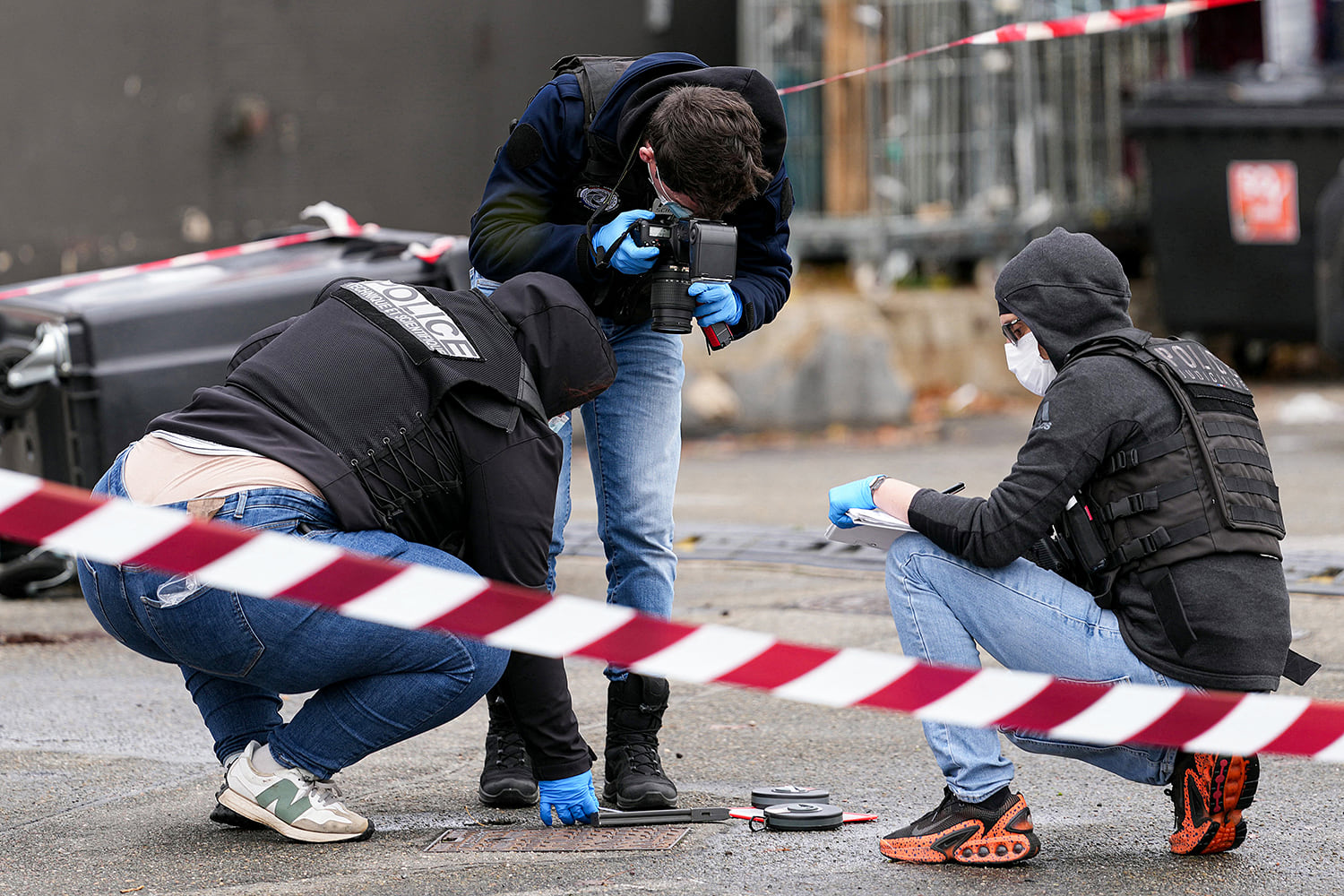
The violence started shortly after 10:00 a.m. local time in the Yvelines department, roughly 30 kilometers west of central Paris. According to investigative accounts reported by media outlets including Europe 1 and the Associated Press, a man driving a grey Renault Clio moved through Trappes and nearby La Verrière, firing bursts of gunfire at multiple spots.
Witnesses and local officials described shots fired near a residential vehicle holding a mother and child, outside a medical center, near Square Louis-Pergaud, at an Esso petrol station, and around areas in La Verrière including near a pharmacy and residential streets. That's an extraordinary amount of ground to cover in under twenty minutes. Panic spreads fast when gunfire pops up in ordinary errand spots instead of one clear target.
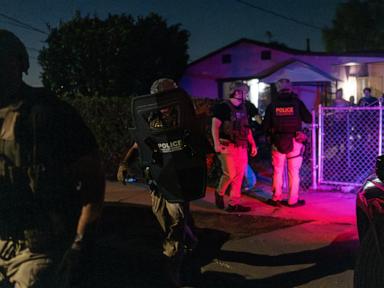
Officers from the Anti-Crime Brigade (BAC) stopped and arrested the suspect in nearby Coignières around 10:20 a.m. Police recovered a Second World War-era Sten submachine gun and a tear-gas spray canister from his vehicle, while Interior Minister Laurent Nuñez credited the rapid arrest with likely preventing even more deaths.
The Victims and the Human Toll
Numbers in breaking reports often shift during the first hours after a multi-site attack. Early tallies cited one person killed and four or five injured, while later reporting on the attack in Trappes and La Verrière documented one fatal victim and seven injured overall, several of them seriously.
The man killed near Square Louis-Pergaud was 26-year-old Pengo Bossio Wangi, an amateur mixed martial arts fighter trained at Atch Academy in Aubervilliers. His martial arts club remembered him for his generosity and energy, and hundreds of residents gathered near where he died to hold a moment of silence and demand justice.
Other victims suffered devastating injuries. Among the wounded was a 12-year-old girl in La Verrière who was shot multiple times—reported by La Verrière Mayor Nicolas Dainville as eight gunshot wounds—and taken to Necker–Enfants Malades Hospital in Paris. Near the Esso petrol station in Trappes, 21-year-old Ahmed C., riding a scooter, was seriously wounded after the gunman's weapon jammed briefly and he tried to take cover inside the shop before a magazine change. Additional victims included a 21-year-old man and a 40-year-old woman in Trappes, plus two men in La Verrière.
Honestly, that detail about the weapon jamming and the magazine swap hits hard. A few seconds of mechanical trouble can separate survival from tragedy, yet the sheer volume of gunfire still left families shattered.
Why Anti-Terrorism Prosecutors Took Over
Many readers wonder why a shooting triggers counter-terrorism jurisdiction instead of staying strictly with local homicide detectives. Under French law, France's
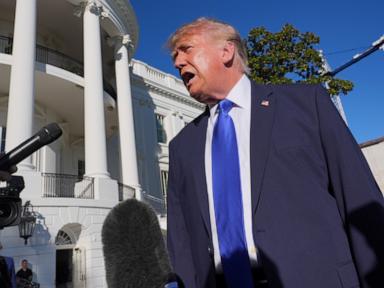
President Emmanuel Macron visited Trappes and condemned the attack as a "terrorist and racist" act, stating that the shooter had deliberately chosen not to fire on certain people based on skin color and appearance. Local leaders pointed directly to the community's demographics as well. Trappes Mayor Ali Rabeh noted that victims included people of African and North African origin and raised alarms about racism and Islamophobia, while a local shopkeeper told AFP the gunman targeted Black and Arab people knowing many residents in Trappes are Muslim.
Subsequent reporting on the investigation added further layers:
- Prosecutors opened inquiries into murder and attempted murder tied to a suspected terrorist enterprise, with aggravating factors linked to victims' perceived race, ethnicity, nationality, or religion.
- Investigators searching the suspect's home in Plaisir reported finding a copy of Adolf Hitler's Mein Kampf alongside a booby-trap setup involving gas canisters, electrical wires, and a timer.
- Authorities also detained relatives and acquaintances for questioning to see if anyone knew of the plans or helped prepare them, while noting four earlier convictions on the suspect's record had previously been legally expunged.
- Later reporting from the Associated Press also noted psychiatric history, substance issues, and toxicology findings alongside charges involving racist motives, showing how complex criminal and psychological factors can collide in real-world investigations.
Here's where a careful, honest reading matters. Saying prosecutors opened a terrorist investigation and that a suspect faces charges tied to racist motives is factual. Claiming every psychological, political, or organizational thread is settled before trial would overstate what the record proves. Even experts in extremism and policing sometimes debate how much weight belongs to ideological radicalization versus personal instability or substance abuse when an offender has both.
A Tinderbox Week Across France
You can't understand the reaction to the October 23 shooting without looking at the week before it. Six days earlier, on October 17, 2026, nationwide demonstrations over cost-of-living pressures, student grievances, and broader political anger had spilled into looting, vandalism, and clashes in several cities.
In the days between those protests and the shooting, some far-right figures blamed immigration and minority youths for the disorder. Investigators examined whether the suspect's reported talk of retaliating over the October 17 looting played a role, while finding no established tie to a formal political organization in initial reporting.
That timing turned a horrific local crime into a national flashpoint. By the following weekend, hundreds of thousands of people turned out in nationwide demonstrations—some defying local bans—amid heavy police deployments, hundreds or more arrests, and fierce arguments across the political spectrum. Left-wing leaders and rights groups blamed anti-racist and anti-Muslim rhetoric for fueling danger, while Marine Le Pen called racism a despicable motive and demanded a relentless investigation. Meanwhile, Macron faced intense political pressure with his presidency nearing its end and economic tensions running high.
In my view, one common mistake in fast news cycles is treating political rhetoric as a magic light switch that explains everything—or ignoring it completely. Words in national media and social feeds don't pull a trigger by themselves, yet heated scapegoating during nationwide unrest clearly raises the temperature in already tense suburbs.
Practical Ways to Follow and Verify Coverage
When a fast-moving story involves terrorism probes, hate-crime allegations, and mass protests, rumor spreads almost as fast as sirens. A few practical habits help you separate solid facts from noise:
- Check official prosecutorial updates first. Watch statements from France's National Anti-Terrorism Prosecutor's Office (PNAT) and major wire services like Reuters or the Associated Press for confirmed charges, casualty counts, and court milestones rather than relying on unverified social clips.
- Separate early reactions from legal findings. Statements by prime ministers, presidents, mayors, or opposition leaders show political stakes and immediate government posture, whereas charging documents and court rulings establish what prosecutors must prove.
- Watch for revised numbers and background context. Casualty counts, medical statuses, and details about prior records or mental health often evolve over days as hospitals treat patients and police verify evidence.
- Read across multiple credible outlets. Comparing reporting from French and international outlets—such as Council on Foreign Relations coverage of the French unrest and AP reporting on the Trappes shooting charges—helps you spot what is confirmed across sources versus what remains under review.