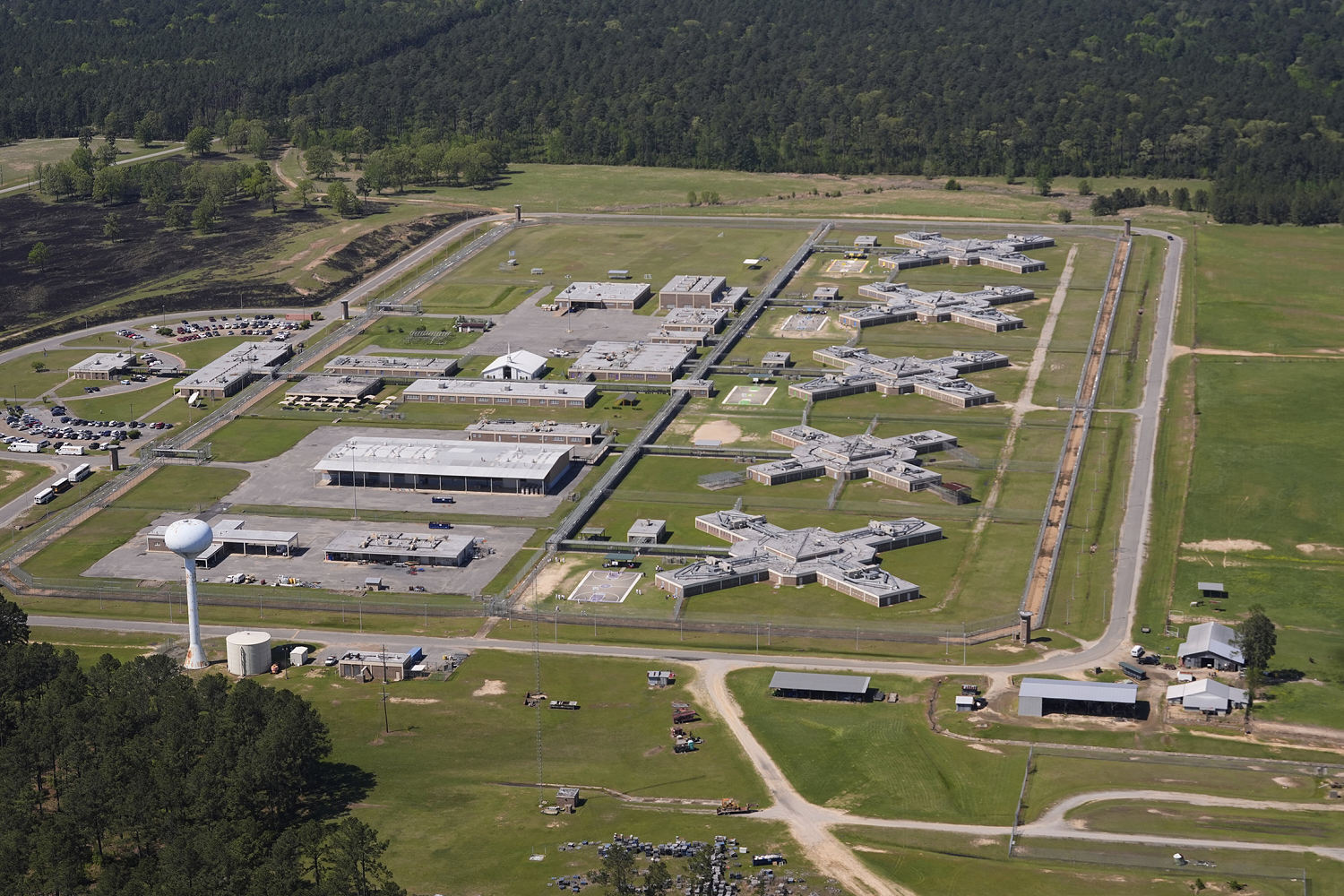
The operational integrity of civil detention systems requires strict adherence to a baseline level of safety, environmental hygiene, and controlled oversight. When an oversight entity—such as the Department of Homeland Security Office of Inspector General (OIG)—documents systemic failures in use-of-force protocols and basic sanitation within regional processing centers, public discourse often focuses on moral or political narratives. A rigorous operational analysis, however, reveals that these recurring failures are the predictable output of misaligned contract incentives, acute labor shortages, and broken internal feedback loops.
Understanding these deficiencies requires evaluating the structural mechanics of contracted civil confinement. By analyzing the structural imbalances between federal enforcement mandates and private operational execution, we can identify why standard oversight mechanisms repeatedly fail to correct non-compliance.
The Tri-Component Systemic Failure Model
Operational breakdowns within regional processing centers do not occur in isolation. They are the downstream effects of three interdependent operational pillars that dictate the environment of a facility.
1. The Human Capital Bottleneck and Non-Standard Force Application
The critical bottleneck in any secure facility is the ratio of trained operational staff to the resident population. When private contractors face severe labor shortages, recruitment standards fall and training cycles are compressed. In a civil detention framework, personnel must be trained to manage non-compliant individuals using verbal de-escalation and passive control techniques rather than the higher-leverage physical interventions common in punitive state prisons.
Understaffing creates an environment of elevated chronic stress. When a skeleton crew faces a crowded housing unit, the operational margin for error disappears. Staff members frequently default to excessive force or unauthorized restraint mechanics as a defensive, risk-mitigating shortcut to regain immediate control. The misuse of solitary confinement—categorized as Special Management Units (SMUs)—often serves as an informal administrative tool to reduce the active management burden on understaffed shifts, rather than as a verified disciplinary measure of last resort.
2. The Depreciation Function of Facility Sanitation
Physical degradation in high-density facilities follows a predictable depreciation curve when routine preventive maintenance is deferred. Sanitation failures, such as pervasive mold growth, broken plumbing fixtures, and food services violating basic temperature thresholds, stem directly from a failure to allocate sufficient capital expenditures toward building maintenance.
Within private, fixed-rate-per-bed contract structures, facility maintenance is often viewed as a variable cost that can be squeezed to optimize short-term operating margins. When a kitchen routinely fails to manage food expiration dates or proper refrigeration, it signals a deeper failure in shift-level inventory control and a lack of supervisory oversight. This operational neglect directly exposes the operator to severe bio-hazards and preventable disease outbreaks.
3. The Structural Insufficiency of Third-Party Compliance Audits
The third pillar is the broken feedback loop of quality assurance. The civil detention network relies heavily on both internal inspections and private third-party auditing firms to verify compliance with Performance-Based National Detention Standards (PBNDS).
This auditing mechanism suffers from two structural flaws:
- Pre-Announced Evaluation Schedules: Giving operators advanced notice of an upcoming inspection allows them to temporarily reallocate staff, execute superficial cleanups, and artificially balance compliance checklists. These measures do not reflect the baseline daily operations of the facility.
- Lack of Direct Financial Penalties: Even when unannounced OIG inspections discover severe deviations from mandated safety standards, the enforcement mechanisms available to immigration authorities are rarely triggered. Contractual remedies, such as issuing a formal Cure Notice or enacting per-diem financial deductions, are infrequently applied due to the high administrative friction of re-routing or transferring large populations to alternative regional hubs.
The Economics of Guaranteed Minimum Contracts
To understand why sub-standard conditions persist despite repeated regulatory warnings, one must analyze the underlying payment structures governing these public-private partnerships. The financial architecture of these operations is built upon "guaranteed minimum" clauses.
Under a guaranteed minimum contract, the federal government agrees to pay for a fixed number of beds per day regardless of whether those beds are occupied. This framework completely insulates the private operator from fluctuating enforcement volumes and occupancy rates.
[Guaranteed Bed Revenue (Fixed)] ---> [Variable Operational Costs (Staffing/Maintenance)] = Maximized Operating Margin via Cost Suppression
Because revenue remains entirely static above the baseline occupancy threshold, the operator's primary lever for increasing profitability is the aggressive reduction of variable operational expenses. These variable expenses include facility maintenance, food service quality, and, most critically, personnel wages and benefits.
This financial dynamic creates an environment where understaffing and deferred maintenance become profitable operational strategies. The private operator can absorb the reputational friction of a negative government watchdog report because the underlying revenue stream is contractually guaranteed, and the probability of immediate termination or material financial clawbacks remains low.
Operational Imperatives for Structural Realignment
Correcting these systemic failures requires moving away from superficial checklist tracking and toward a model focused on binding, structural accountability. Relying purely on repetitive oversight reports without changing the underlying contract economics will continue to yield the same deficient operational outcomes.
Restructuring Contractual Enforcement Mechanisms
Contracting agencies must replace the current binary system of either ignoring violations or threatening total facility closure with a granular, scalable penalty matrix.
Financial penalties must be tied directly to specific performance indicators. For example, a documented failure to maintain mandated staff-to-detainee ratios should trigger an automatic, non-negotiable reduction in the daily per-diem rate for that tracking period. Similarly, any verified misuse of administrative segregation or unauthorized use of force must result in immediate financial adjustments, shifting the economic incentives back toward full compliance.
Transitioning to Dynamic Capability Auditing
The current framework of pre-announced, paperwork-heavy audits must be entirely phased out. Quality assurance must shift to a continuous model centered on unannounced, data-driven spot checks.
Inspectors should focus their evaluations on hard operational data rather than easily staged physical spaces. This includes analyzing real-time electronic shift logs, cross-referencing payroll records against mandatory post-assignments to identify hidden understaffing, and conducting direct, private interviews with the housed population outside the presence of facility management.
Establishing Independent Medical and Sanitarian Oversight
Because local facility management faces an inherent conflict of interest when balancing operational costs against the well-being of those in their care, health and sanitation systems must be placed under independent authority.
Medical units and food service operations should be overseen by third-party professionals who report directly to federal health authorities rather than the private facility administrator. This shift ensures that decisions regarding medical isolation, emergency transfers, and dietary safety are driven solely by objective professional standards rather than internal corporate cost-containment goals.
The Projected Trajectory of Public-Private Detention Partnerships
The persistent gap between mandated detention standards and actual field operations is creating an unsustainable environment of legal, financial, and operational risk. As independent watchdogs continue to document these structural failures, the current model of hands-off oversight is rapidly approaching a point of structural failure.
Private operators will soon face a tightening regulatory environment driven by rising litigation costs and increased congressional scrutiny over wasted municipal and federal funds. The long-term viability of the civil confinement network depends entirely on reversing the current cost-suppression model.
Operators who fail to proactively upgrade their internal compliance systems, stabilize their labor forces, and modernize their physical infrastructure will find themselves locked out of future federal procurements. As oversight agencies transition to more sophisticated, data-driven auditing methods, the strategic advantage will belong entirely to providers who treat compliance as a core operational requirement rather than a manageable line-item expense.