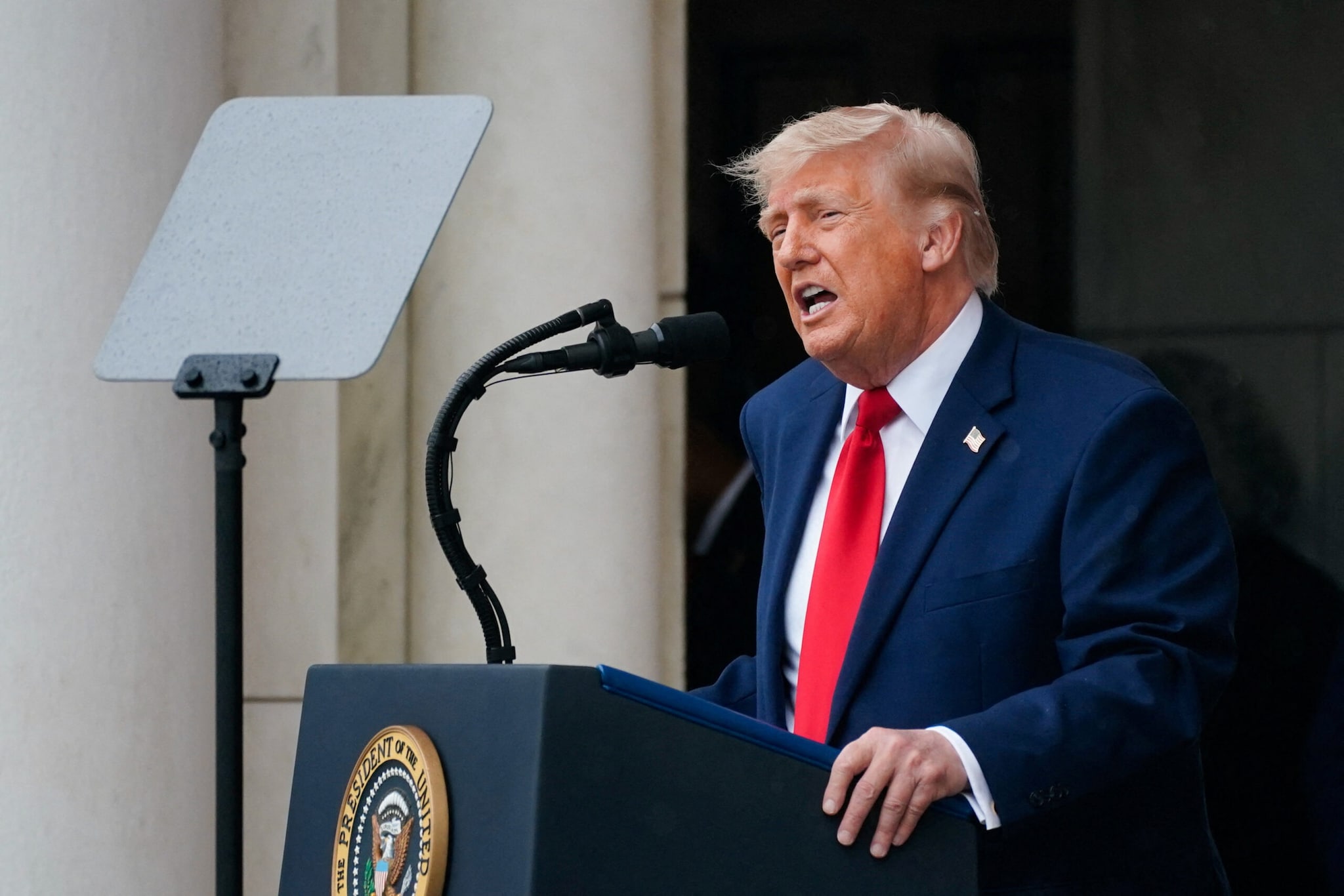
The escalating direct war between the United States and Iran will not be resolved by a conventional diplomatic breakthrough because both administrations are operating on irreconcilable timetables and fundamentally incompatible survival strategies. When President Donald Trump declared on Truth Social that Tehran had "taken too long to negotiate a deal" and must now "pay the price," he exposed a structural breakdown in the Islamabad peace process that goes far deeper than mere political posturing. The reality is that the United States is rushing against an impending domestic electoral clock, while the Iranian regime views immediate capitulation as an existential threat worse than prolonged American bombardment.
Following a major overnight exchange of fire that saw American airstrikes hit Iranian targets and retaliatory Iranian missiles strike bases in Bahrain, Kuwait, and Jordan, the fragile two-month ceasefire has effectively shattered. While the White House threatens to expand strikes to Iran's civilian infrastructure, including power plants and bridges, the core impasse remains tied to five uncompromising preconditions laid out by Washington. These demands include the immediate handover of 400 kilograms of enriched uranium, a strict cap on operational nuclear facilities, and an absolute refusal to release frozen assets or offer sanctions relief before a final agreement is signed. For Tehran, signing such an asymmetric document under the immediate duress of a naval blockade is a structural impossibility.
The Illusion of the Quick Win
Washington is desperate for a rapid resolution. With critical congressional elections looming in November, the White House is acutely aware of how a prolonged Middle Eastern conflict and a tight maritime blockade can spike global energy prices and alienate voters. This domestic political pressure has compressed the American diplomatic timeline, forcing a high-stakes gambling strategy that uses devastating military leverage to extract a total surrender in a matter of weeks.
The strategy misunderstands how the Islamic Republic calculates risk. The clerical leadership in Tehran has spent decades building its regional posture precisely to withstand this type of conventional military onslaught. By tying any potential peace agreement to a complete cessation of hostilities across all fronts, including Israel’s intense campaign against Hezbollah in Lebanon, Iran has anchored its own security to its regional proxy network. For the supreme leader, dismantling the nuclear program and abandoning regional allies simultaneously would signal total domestic weakness at a time when internal dissent and economic strain are already testing the regime's grip on power.
The Nuclear Leverage Paradox
At the heart of the gridlock is a profound technical and strategic paradox involving Iran's uranium stockpile. The United States demands that Iran surrender its highly enriched material before any financial relief is granted. Tehran, observing the fate of other historical regimes that traded away their unconventional deterrents for Western economic promises, views its near-weapons-grade uranium not as a bargaining chip to be surrendered upfront, but as its ultimate insurance policy against forced regime change.
Instead of submitting to the five preconditions, Iranian negotiators have proposed diluting portions of their stockpile rather than physically handing it over to American custody. This technical distinction is unacceptable to a White House that has staked its foreign policy on the complete eradication of Iran's nuclear ambitions. By demanding an unconditional transfer of material while enforcing a strict blockade on Iranian oil ports, the United States has inadvertently eliminated the middle ground necessary for a diplomatic off-ramp.
The Shadow of Jerusalem
Compounding the failure of the Islamabad talks is the stark misalignment between the strategic objectives of Washington and Jerusalem. While the American administration seeks a swift, enforceable treaty to stabilize global shipping and protect regional bases, Israeli Prime Minister Benjamin Netanyahu is pursuing far more expansive, maximalist goals. Israel's ongoing, aggressive campaigns in Lebanon and direct strikes against Iranian assets are designed to achieve nothing less than the permanent degradation of the Axis of Resistance and the potential collapse of the theocratic state itself.
This divergence paralyzes negotiations. Iran refuses to finalize any deal that leaves Hezbollah exposed to unchecked military destruction, arguing that a true ceasefire must be comprehensive. Washington, conversely, has proven either unable or unwilling to completely restrain Israeli operational choices, leaving Pakistani mediators with no viable formula to bridge the gap. Every time a diplomatic breakthrough appears close in theory, a fresh outbreak of kinetic violence on the ground resets the calculus.
The Bottleneck Strategy
Iran’s counter-strategy relies heavily on its geographic positioning along the Strait of Hormuz. Despite months of sustained aerial bombardment and a tightening economic chokehold that has restricted its financial reserves, Tehran maintains the tactical capability to disrupt a vital transit corridor responsible for a fifth of the world’s crude oil and liquefied natural gas.
This reality creates a highly volatile equilibrium. The Iranian military is betting that its capacity to inflict global economic pain through asymmetrical maritime warfare outweighs the American political tolerance for a protracted war. This calculation directly directly challenges the White House assumption that maximum military and economic pressure will inevitably force an broke, desperate regime to the negotiating table on Western terms.
Rather than paving the way for a grand bargain, the current strategy of escalating military strikes paired with inflexible preconditions has locked both nations into a cycle of structural escalation. With regional bases under fire, oil tankers targeted at sea, and the diplomatic channel in Islamabad frozen by mutual distrust, the conflict is no longer a prelude to a negotiation. It has become a self-sustaining war of attrition where neither side can afford the domestic cost of stepping back first.