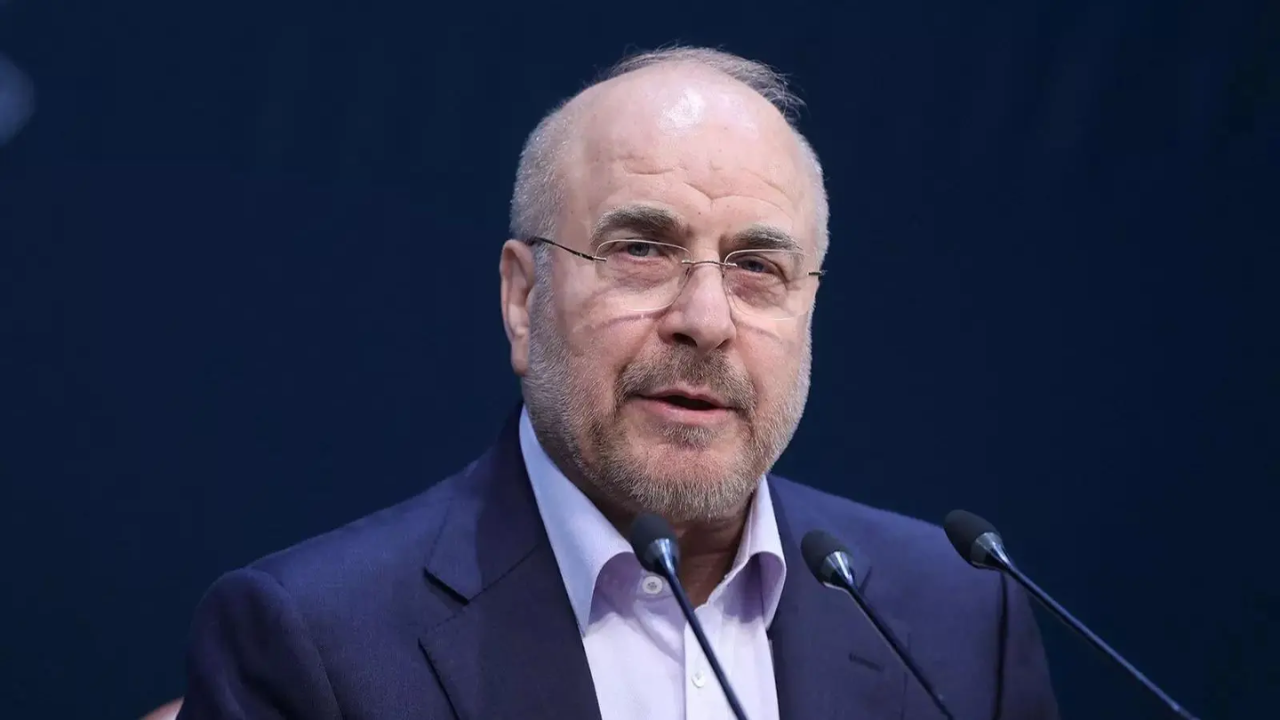
The diplomatic machinery attempting to halt the three-month-old war between the United States and Iran has ground to a sudden, predictable standstill. While Washington officials floated a tentative 60-day ceasefire extension and a framework to address the blockaded Strait of Hormuz, Tehran blew up the optimism. Mohammad Bagher Ghalibaf, the newly reelected speaker of the Iranian parliament and a key regime negotiator, announced that no deal will be signed until "Iranian rights" are fully secured.
This is not standard diplomatic posturing. It is a fundamental clash of survival strategies. The primary query hanging over the global economy is whether the Strait of Hormuz will reopen to the 20 million barrels of oil that transit it daily. The direct answer is no, not anytime soon. Iran is systematically using its leverage over global shipping and its enriched uranium stockpile to force a rewrite of the Middle Eastern security architecture, refusing to trade its hard power for vague promises of Western sanctions relief.
The Illusion of a Breakthrough
Just days ago, the consensus in Washington pointed toward an imminent memorandum of understanding. U.S. Vice President JD Vance confirmed that negotiators had hammered out a tentative text. The broad strokes appeared straightforward: a phased lifting of the U.S. naval blockade on Iranian ports, a managed reopening of the Strait of Hormuz, and a 30-day window to launch broader nuclear negotiations.
The American administration viewed this as a position of strength. White House officials asserted that Iran was "negotiating on fumes" following the devastating joint U.S.-Israeli kinetic strikes that initiated the hot war on February 28. Washington demanded the total elimination of Iran's highly enriched uranium stockpile and the unconditional removal of naval mines from the shipping lanes within 30 days.
Tehran reads the map differently. By choking off the strait, reducing daily commercial traffic from over 100 vessels to a trickle of two dozen, and imposing a formal "gatekeeper" toll system, Iran proved it can inflict severe global economic pain. Treasury Secretary Scott Bessent may predict that oil prices will plummet the moment ink hits paper, but that reality requires Iran to surrender its primary economic weapon before receiving anything tangible in return.
Ghalibaf’s declaration that there is "no trust in the enemy's words and promises" exposes the core structural flaw of the current negotiations. Iran is refusing to comply with the sequence of events Washington has laid out.
The Sequenced Standoff
Decades of watching these two adversaries engage in asymmetric leverage cycles reveal that the current deadlock is entirely about sequencing. The U.S. wants a front-loaded deal: Iran clears the mines, stops charging tolls, surrenders its enriched material, and then—and only then—does Washington dismantle its economic sanctions.
Iran’s counter-strategy demands immediate, irreversible concessions. Specifically, Tehran is demanding:
- The immediate release of $12 billion in frozen assets held in foreign banks.
- The inclusion of Lebanon in any formal ceasefire framework, explicitly halting Israeli operations against Hezbollah.
- A rejection of any clause that strips Iran of its legal sovereignty over the Strait of Hormuz.
The nuclear issue remains the most volatile variable. The U.S. claims Iran has conceptually agreed to "zero enrichment." Yet, the head of Iran’s Atomic Energy Organization almost immediately contradicted this, stating that domestic enrichment caps remain a red line. Tehran’s state media apparatus, closely aligned with the Islamic Revolutionary Guard Corps (IRGC), has made it clear that the regime views the current text as a mechanism to secure economic survival, not a prelude to geopolitical surrender.
+------------------------------------+------------------------------------+
| U.S. Demands                       | Iranian Demands                    |
+------------------------------------+------------------------------------+
| Total surrender of highly enriched | Immediate release of $12 billion   |
| uranium stockpiles.                | in frozen global assets.           |
+------------------------------------+------------------------------------+
| Unconditional removal of all naval | Expansion of ceasefire to cover    |
| mines in the Strait of Hormuz.     | Hezbollah operations in Lebanon.   |
+------------------------------------+------------------------------------+
| Permanent ban on all domestic fuel | Permanent recognition of Iranian  |
| enrichment capabilities.           | maritime sovereignty over shipping.|
+------------------------------------+------------------------------------+
The Leverage Calculation
Washington’s assumption that economic pressure will break the regime overlooks the structural incentives inside Tehran. The collective leadership within Iran looks at the historical precedent of the 2015 nuclear agreement, which was dismantled by a previous American administration with a single executive order. They have calculated that a signed piece of paper with Washington is functionally worthless without immediate economic liquid capital.
Furthermore, the regional landscape has shifted. While U.S. Central Command continues to intercept Iranian-made missiles—such as those fired toward Kuwait—and execute precision strikes on drone control facilities in Bandar Abbas, the kinetic campaign has not broken Iran's command and control. Instead, it has hardened the resolve of the conservative factions led by Ghalibaf.
The introduction of "tougher terms" sent back by the White House over the weekend has only reinforced Tehran's suspicion. The revised American framework reportedly tightens the timeline for nuclear compliance and extends the duration of enrichment bans to 20 years, whereas Iran has countered with a maximum of five.
No Easy Exit
The current impasse leaves both sides exposed to escalating risks. The U.S. administration faces mounting domestic pressure over energy costs and the long-term sustainability of a naval blockade that requires a massive, continuous deployment of carrier strike groups in hostile waters.
For Iran, the status quo means enduring a punishing economic siege that restricts its oil exports to the few buyers willing to run the gauntlet of secondary sanctions. But the regime has survived decades of isolation. It views its current stockpile of highly enriched uranium and its physical proximity to the world’s most critical choke point as an existential shield.
The fundamental reality of this conflict is that neither side has established a margin of dominance wide enough to force the other into unconditional submission. Washington cannot bomb away Iran's geopolitical geography, and Tehran cannot sanction away the American financial system. Until one side alters its core calculus on what constitutes an acceptable risk, the draft memorandum of understanding will remain an unsigned document, and the war will continue to simmer.