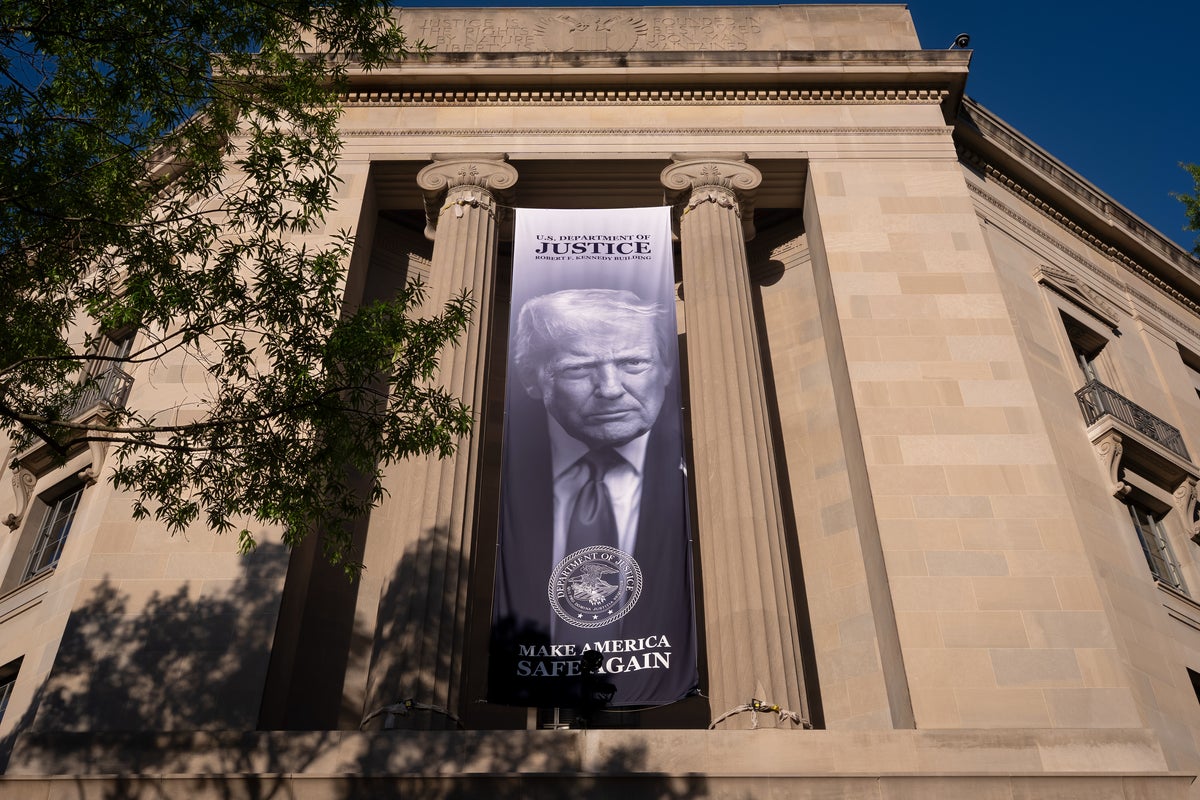
The federal criminal case against the Southern Poverty Law Center has mutated from a historic civil rights showdown into a structural crisis for the Department of Justice.
By distributing an unsigned, unfiled draft of a superseding indictment containing raw digital metadata to the national media before presenting it to a judge or defense counsel, federal prosecutors did more than commit a procedural blunder. They handed a lifeline to a target that was otherwise cornered. The SPLC immediately weaponized this misstep, demanding formal sanctions against the government and arguing that the leaked Microsoft Word document exposes a coordinated, politically motivated effort to destroy the organization rather than a good-faith pursuit of justice.
This error was not just a technical oversight by a low-level staffer. The metadata embedded within the leaked file points directly to the core authorship of the DOJ legal team handling the case. This unprecedented operational failure reveals an agency prioritizing its media narrative over established criminal procedure, fundamentally threatening the viability of the entire prosecution.
The Metadata Paper Trail
Federal criminal practice operates on rigid mechanics. Indictments are returned by a grand jury, signed by the foreperson, stamped by the clerk, and formally docketed before public distribution.
The document circulated by the DOJ to reporters broke every step of this protocol. It arrived as an unencrypted Microsoft Word file. It lacked a case number, a judicial stamp, and a signature. Far more damaging than the missing ink, however, was the hidden digital data remaining inside the file structure.
Defense lawyers quickly discovered that the document's metadata detailed exactly who created and modified the draft, alongside timestamps matching the hours immediately preceding the media blitz. This exposure directly undermines the traditional defense of plausible deniability often utilized when sensitive legal drafts enter the public sphere. It proved the distribution originated from the inner circle of the prosecution team.
Compounding the institutional embarrassment, the text of the leaked draft did not even match the actual superseding indictment that was eventually filed on the court docket the following day. Language regarding the nature of statements made to financial institutions had been abruptly altered between the media leak and the official judicial submission.
When defense counsel contacted the U.S. Attorney’s Office for the Middle District of Alabama to demand an explanation for why reporters possessed an unfiled draft, the lead prosecutor was unable to provide an answer. This internal confusion indicates a critical breakdown in communication between Washington leadership and local career prosecutors.
A High Stakes Legal Gambit
To understand why the government rushed this document to the press, one must look at the underlying vulnerability of the original criminal charges filed against the SPLC.
The government's primary case rests on an 11-count indictment alleging wire fraud, bank fraud, and money laundering. The core of the prosecution's theory is that the SPLC defrauded its donor base by soliciting charitable contributions under the pretense of fighting hate groups, while secretly funneling $4.1 million of those tax-exempt funds to internal informants embedded within those exact extremist organizations. The superseding indictment added explosive allegations, claiming that donor money inadvertently helped purchase materials used for Ku Klux Klan cross burnings, robes, and hoods.
The legal mechanics of the case, however, are thin. The defense has demonstrated that law enforcement agencies have known about and relied upon the SPLC's informant network for decades. Paying sources to infiltrate criminal operations is a standard investigative tactic used by both private watchdogs and federal agencies.
Because the act of paying informants is not inherently illegal, the prosecution must prove a more difficult claim: that the SPLC intentionally deceived its donors and banks by concealing these operational payments through shell accounts.
The original indictment contained a severe technical error. It suggested that making "misleading statements" to a bank was a criminal offense, a claim that former federal prosecutors noted was an incorrect interpretation of the bank fraud statute. The government desperately needed to correct this error via a superseding indictment to prevent a swift dismissal by the judge. The rush to deploy this corrected version to the media suggests the DOJ was more concerned with maintaining public momentum than perfecting its legal pleadings.
The Weaponization of Public Restraints
The SPLC has seized upon these procedural failures to advance a broader motion for total dismissal based on vindictive prosecution.
Their defense team argues that the case is the culmination of an explicit campaign of political retribution orchestrated by the highest levels of the executive branch. They point directly to public declarations by leadership, including the decision to sever all FBI ties with the watchdog group and public statements branding the organization a partisan operation.
The defense's argument gained significant traction following recent developments in related federal cases. A federal judge recently dismissed a high-profile human smuggling prosecution against an individual named Kilmar Abrego Garcia, explicitly citing an "abuse of prosecuting power" and vindictive enforcement. The SPLC is using that precedent to argue that their case follows an identical pattern of weaponized federal authority.
The premature distribution of the draft indictment provides the SPLC with concrete evidence of institutional bias. Legal ethics rules strictly forbid prosecutors from making extrajudicial statements that have a substantial likelihood of heightening public condemnation of the accused. By distributing an unverified, unfiled draft containing inflammatory language about Klan regalia to national outlets, the DOJ provided the defense with a textbook example of a compromised prosecution.
The Sanctions Arena
The motion for sanctions places the presiding federal judge in a difficult position. Courts are traditionally loath to dismiss indictments over executive missteps, preferring to handle procedural violations through narrow remedies or targeted admonishments.
The inclusion of metadata and the discrepancy between the leaked text and the docketed text removes the possibility of attributing this incident to an anonymous whistleblower or an accidental leak. The judge must now determine whether grand jury secrecy rules were violated.
Federal Rule of Criminal Procedure 6(e) strictly protects matters occurring before the grand jury. If the draft indictment revealed information about grand jury witness testimony or specific evidence that had not yet been formally made public through a sealed court order, the individuals responsible could face contempt of court charges.
Even if the court stops short of dismissing the charges entirely, the minimum outcome will likely involve an evidentiary hearing. The prosecution team will be forced to answer under oath who authorized the creation and distribution of the Word document.
Dropping the Anchor
The federal prosecution of the SPLC was intended to expose financial deception inside America's most prominent civil rights watchdog. Instead, it has exposed the operational recklessness of a Justice Department willing to bypass the federal docket to secure a news cycle.
When a prosecutor prioritizes public relations over the cold mechanics of criminal procedure, the integrity of the entire case dissolves. The government's rush to print did not just compromise their ethics. It compromised their evidence.