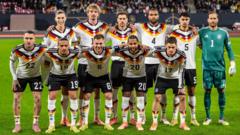
The German national football team announced that its players, led by captain Joshua Kimmich, will personally fund travel expenses for thousands of supporters at the 2026 World Cup. On the surface, the gesture looks like a heartwarming act of philanthropy. The squad is bankrolling free bus shuttles for 4,000 fans traveling from New York City to MetLife Stadium in New Jersey for their final group-stage match against Ecuador on June 25.
Beneath the feel-good PR lies a damning indictment of the tournament’s logistical infrastructure.
When multi-millionaire athletes feel compelled to step in and subsidize the basic transportation of their audience, the system has broken down. The initiative exposes a quiet crisis of hyper-inflation, broken bidding promises, and a structural disregard for the traditional match-going fan.
The Exploitation of the Traveling Supporter
Getting to a World Cup match was once a logistical box to check. Now, it is a financial gauntlet.
The German Football Association confirmed that Kimmich and his teammates moved to absorb these costs after reports emerged of predatory pricing networks surrounding the tournament hubs. Ordinarily, a New Jersey Transit rail journey from central Manhattan to the Meadowlands sports complex costs roughly $13. During the World Cup tournament windows, those round-trip prices surged toward $98. Private shuttle operators initially demanded up to $80 per seat for the same route before public outcry forced a nominal reduction.
Consider the travel schedule handed to the German squad and their followers during this group phase.
- June 14: Houston, Texas
- June 20: Toronto, Canada
- June 25: East Rutherford, New Jersey
A fan attempting to follow the team across these three distinct geographic regions faces thousands of dollars in flights and lodging alone. When a short, final-leg transit connection across the Hudson River costs almost $100 per person, the financial burden becomes untenable. The German squad recognized that their core fan base was being priced out of the stadium gates by predatory local infrastructure.
Broken Guarantees and the FIFA Taxpayer Shield
This logistical mess was completely preventable. The shift away from unified, affordable tournament transport represents a departure from modern sporting precedent.
During the 2018 World Cup in Russia and the 2022 iteration in Qatar, host nations provided completely free public transit networks for all ticket holders. Match tickets doubled as transport passes. When the United States originally launched its unified host bid in 2018, the organizing committees indicated that a similar integrated transit model would be implemented for international spectators arriving on American soil.
That promise was quietly dismantled in 2023.
Local host committees adjusted their terms, shifting the financial responsibility entirely onto the individual commuter. New Jersey political figures, including Governor Mikie Sherrill, have defended the current pricing structures by citing FIFA's refusal to subsidize local transit costs. The narrative presented by regional politicians is simple: inflated fares are necessary to protect the local taxpayer from absorbing the multi-million dollar operational costs of running extra trains and buses.
This creates a predatory economic environment. FIFA extracts massive commercial revenues from sponsorships, hospitality packages, and broadcasting rights, while local municipalities refuse to invest transit resources without guaranteed profit margins. The fan is left trapped in the middle, viewed not as the lifeblood of the sport, but as a high-value tourist to be optimized for maximum revenue extraction.
The Cultural Divide of the Modern Mega Event
The intervention by the German squad highlights a cultural friction point between European football traditions and the commercialized reality of North American sports entertainment.
In Germany, the 50+1 rule ensures that club members retain a majority of voting rights, keeping ticket prices low and keeping the fan experience central to club governance. Traveling fan groups are highly organized, vocal, and accustomed to safe standing sections and subsidized travel options. The German Football Association operates with an acute awareness of this heritage.
By funding these shuttles, the players are trying to preserve a specific atmosphere. They understand that a stadium filled exclusively with corporate hospitality guests and affluent casual observers lacks the visceral energy required to drive a team through a decisive tournament fixture. The squad is buying its own atmosphere because the tournament organizers failed to make that atmosphere financially viable.
The Limits of Athlete Philanthropy
While the 4,000 free shuttle seats offer immediate relief to those who won the lottery on the DFB registry, the gesture cannot scale to fix a systemic problem. MetLife Stadium holds over 80,000 spectators. A few dozen buses paid for out of pocket by international stars will not fix the structural dysfunction of an expanded, continent-wide tournament.
This intervention sets an awkward precedent for the remaining nations competing across North America. Should England's squad be expected to fund commuter trains out of London? Should the Mexican national team subsidize flights across internal time zones? Expecting players to patch the holes left by multibillion-dollar sporting federations and local governments is an unsustainable model for international sports.
The economic model governing the 2026 World Cup has forced a redistribution of basic operational responsibilities. If the trend of downloading transit costs onto spectators continues, international football risks severing its ties to the working-class fan base that built the sport's global appeal. Joshua Kimmich and his teammates bought their fans a temporary reprieve, but the broader structural crisis remains unresolved.