The decades-old arrangement shielding ultra-Orthodox men from Israeli military service is no longer just a political debate. It has become a mathematical impossibility. Prime Minister Benjamin Netanyahu’s governing coalition is on the verge of total collapse after the ultra-Orthodox Degel HaTorah faction shattered the political status quo by demanding the immediate dissolution of the Knesset. This sudden rupture stems directly from Netanyahu’s private admission to Haredi leaders that he lacks the legislative majority to pass a sweeping draft exemption bill during wartime. Decades of political stalling have officially collided with the reality of an exhausted army that can no longer afford to exempt 13% of the population.
For generations, the exemption of yeshiva students was treated as a localized political bargaining chip, a transactional favor traded for coalition loyalty. But years of unrelenting, multi-front warfare have fundamentally changed the calculation. Israel is facing an unprecedented manpower deficit, leaving the state to choose between the survival of its military infrastructure and the survival of its political leadership.
The Breaking Point of a Mathematical Mirage
The current political crisis crystallized when Rabbi Dov Lando, the influential spiritual leader of Degel HaTorah, issued an uncompromising directive to dissolve parliament. "We no longer have any trust in Netanyahu," Lando declared, signaling an end to the historic alliance between the right-wing Likud party and the ultra-Orthodox leadership.
The immediate catalyst was Netanyahu's attempt to shelve the highly contentious draft exemption legislation until after the upcoming general elections, which are legally mandated to occur by late October. Knowing the public fury surrounding the issue, Netanyahu sought a delay. The Haredi leadership refused to wait, countering with an aggressive push to dissolve the Knesset and force snap elections as early as September.
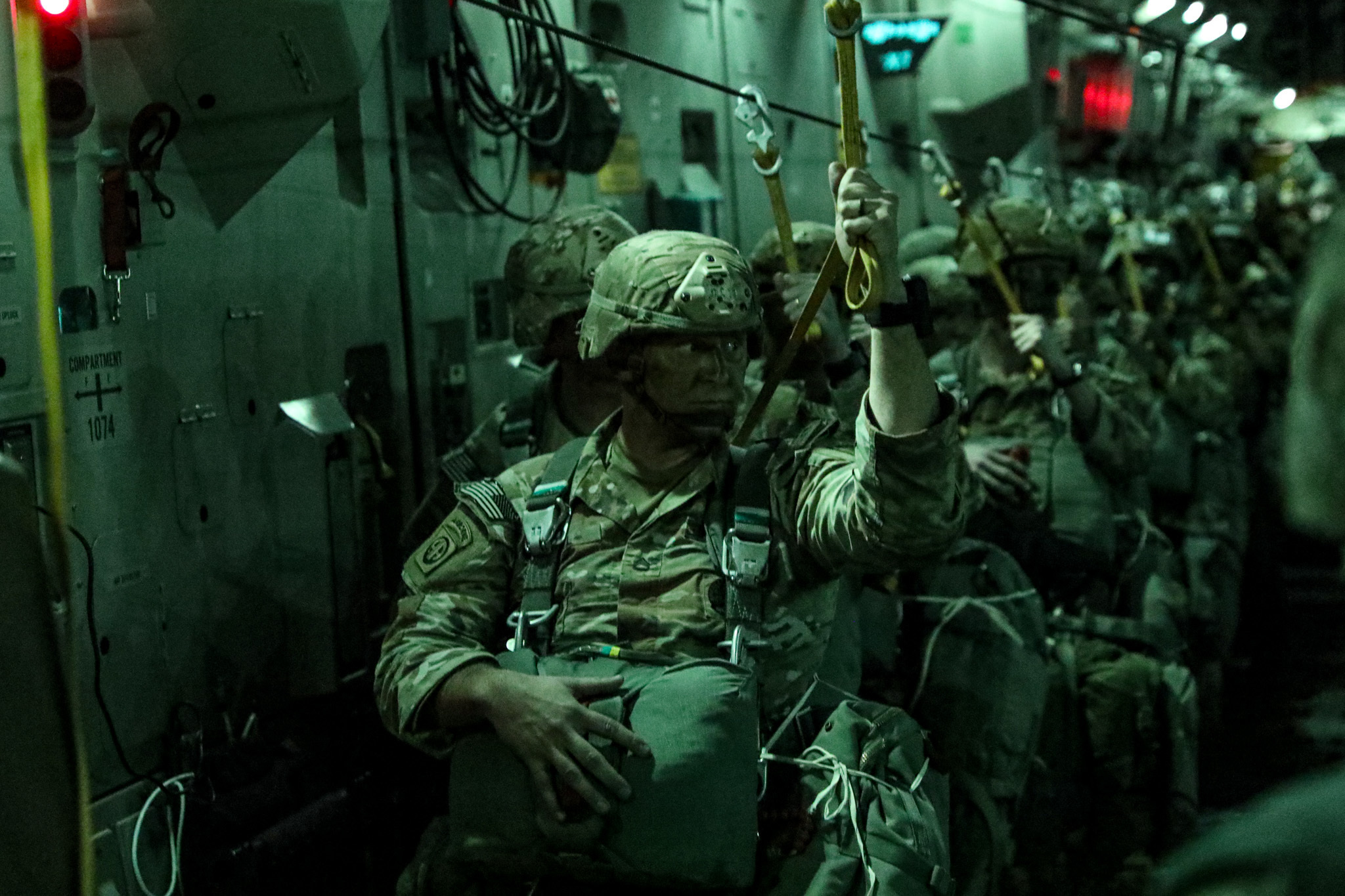
This political brinkmanship is happening against the backdrop of a severe military reality. Armed forces chief of staff Lieutenant General Eyal Zamir recently delivered a stark, unvarnished assessment to the cabinet. He warned that the military faces the distinct threat of collapsing inward if the severe manpower shortage is not addressed immediately.
The military requires an immediate influx of at least 12,000 combat and combat-support soldiers just to maintain basic operational readiness. Currently, an estimated 80,000 to 100,000 young ultra-Orthodox men are technically eligible for conscription under a sweeping Supreme Court ruling that struck down the historical exemptions. Yet, despite the legal mandate and a series of initial draft notices, the vast majority have not reported for duty.
The Legislation That Pleased Nobody
Behind the closed doors of the Knesset Foreign Affairs and Defense Committee, lawmakers have spent months attempting to engineer a compromise bill that could satisfy both the Haredi rabbinate and a deeply resentful secular public. The proposed framework, heavily pushed by Likud MK Boaz Bismuth, revealed the deep cracks within the coalition.
The bill sought to establish highly conservative, gradually increasing enlistment targets. For the first year, the target was set at roughly 5,400 recruits, eventually rising to 8,541 by the year 2030. To critics, these numbers were a statistical farce. The plan allowed older conscripts up to age 26—married with children and assigned to non-combat roles near their homes—to count toward the official recruitment quotas.
Furthermore, the bill proposed a joint oversight committee featuring a judge from the Great Rabbinical Court, an institutional setup designed to give religious authorities ultimate veto power over whether the military was accommodating enough to justify the draft numbers.
Proposed Conscription Targets vs. Total Eligible Pool
------------------------------------------------------
Total Eligible Haredi Men:   ~80,000 - 100,000
Year 1 Bill Target:          5,400
Immediate Military Need:     12,000 (Combat minimum)
The compromise attempt satisfied no one. Hardline defense advocates within Netanyahu's own camp viewed it as an institutionalized evasion scheme. Meanwhile, the ultra-Orthodox spiritual leadership rejected any bill containing financial or criminal penalties for draft dodgers, viewing any state-mandated quota as an existential threat to their traditional way of life.
The Hidden Economics of Religious Deferral
To understand why the Haredi leadership is willing to risk a right-wing government to defeat the draft, one must look past the theological rhetoric and examine the underlying economic structures of the community.
The ultra-Orthodox community in Israel operates on a subsidized system centered on full-time Torah study. This insular arrangement relies heavily on state funds, child allowances, and municipal tax discounts tied to yeshiva enrollment. The moment an ultra-Orthodox man leaves the study hall to enter the military or the legal workforce, these foundational subsidies disappear.
Workforce Participation Rates (Israeli Men)
--------------------------------------------
Non-Haredi Jewish Men:   86.5%
Haredi Jewish Men:       53.0%
Data from the Israel Democracy Institute highlights a stark economic imbalance. Haredi men earn, on average, just 49% of the wages of non-Haredi Jewish men. This disparity is partly driven by an education system that largely excludes secular core subjects like advanced mathematics, English, and sciences.
For decades, the state maintained the official exemption age at 26. This legal threshold created a severe economic trap. A young Haredi man could not legally enter the workforce without facing the draft until he turned 26. Consequently, tens of thousands of men remained confined to poverty-level stipends within the yeshivas during their most productive years, hurting both family incomes and national tax revenues.
The Defiance Campaign
Following the Supreme Court's decision to freeze state subsidies for institutions whose students refuse to serve, the government has quietly attempted to bypass the judicial system. Even as the coalition teeters on dissolution, ministries are rushing to approve a massive five-year financial plan for the ultra-Orthodox sector, worth hundreds of millions of shekels.
This emergency funding includes an annual allocation earmarked for "dropout prevention" programs within yeshivas. Opposition lawmakers point out that the practical purpose of these funds is to keep borderline students enrolled in religious institutions, shield them from the draft, and counter the growing enforcement measures implemented by state authorities.
Over the past year, the defense establishment has begun blocking driver's licenses, denying state benefits, and issuing border-departure bans for recognized draft evaders. These targeted measures did succeed in marginally increasing ultra-Orthodox enlistment rates. However, the internal social pressure within the community remains immense. Leading rabbis have publicly instructed their followers to treat draft notices as hostile decrees, telling young men to completely ignore military communications.
The Reshaping of the Political Landscape
The collapse of the conscription status quo is rapidly transforming the alignment of Israeli politics. The historical paradigm where Likud unconditionally protected Haredi interests in exchange for a permanent governing majority has broken down under the weight of national security requirements.
The political consequences are already visible. Former Prime Minister Naftali Bennett and centrist opposition leader Yair Lapid have formed a joint political alliance named "Together." This political bloc is running on a platform centered on national service reform and economic modernization. Bennett has promised a formal state commission to investigate what he terms the systemic sabotage of military enlistment during wartime.
The opposition's strategy focuses on a growing sentiment among the broader Israeli public, particularly the secular and national-religious sectors. These communities have carried the heavy burden of extended reserve duty and escalating economic disruptions over the last two years. The sight of the government attempting to pass sweeping exemptions while simultaneously extending mandatory service terms for active soldiers has alienated even traditional right-wing voters.
The upcoming electoral battle will not simply be a referendum on Netanyahu’s security record. It will be a fundamental clash over the domestic social contract that has governed the country since 1948. The ultra-Orthodox parties are realizing that their long-standing leverage is diminishing as the state’s security needs become increasingly critical.
The state can no longer afford to fund an economic model that keeps a significant portion of its citizens out of both the military and the workforce. As the Knesset moves closer to a final dissolution vote, the core issue remains unresolved. No matter who wins the next election, the fundamental tension between a desperate military and an unyielding religious community will face the exact same uncompromisably stark math.