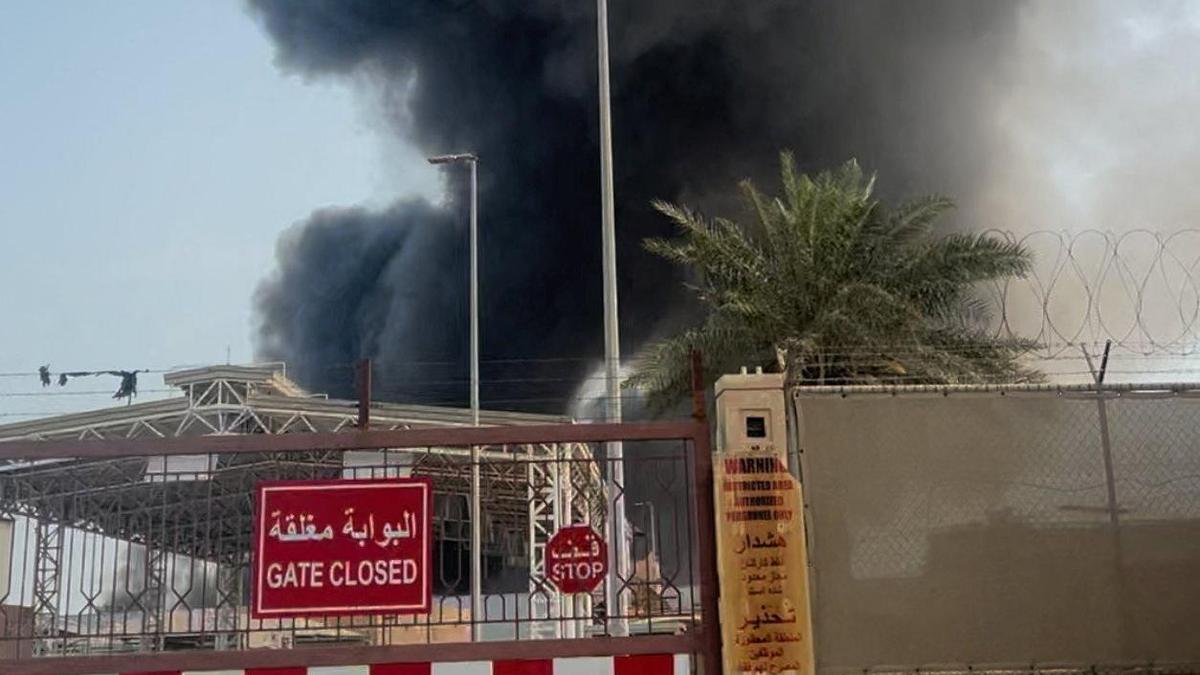
Cuba just went dark. Not the usual "neighborhood out for two hours" dark, but a total, island-wide systemic failure that has left ten million people sitting in the heat without a fan, a fridge, or a clear timeline for recovery. When the Antonio Guiteras power plant—the backbone of the entire Cuban energy system—shut down unexpectedly on Friday, it didn't just take one city with it. It triggered a literal domino effect that proved just how fragile the country’s infrastructure actually is.
If you’ve been following the news, you’ve probably heard the official line about fuel shortages and "maintenance issues." That's only half the story. The truth is that Cuba is running a 21st-century society on a 1970s engine that hasn't seen a real tune-up in decades. This isn't just a temporary glitch. It’s a structural heart attack.
The Antonio Guiteras Failure was Inevitable
The Antonio Guiteras plant in Matanzas is the heavy lifter. When it goes down, the rest of the grid tries to pick up the slack, but the slack isn't there. Cuba’s energy consumption has shifted. Even with the economic crisis, the sheer number of old, inefficient air conditioners and appliances imported over the years creates a baseline demand that the current fleet of thermoelectric plants can't meet.
These plants are old. We're talking about technology that was often sourced from the Soviet bloc or built with designs that are now obsolete. They require specific spare parts that are nearly impossible to get due to a combination of the U.S. embargo and the fact that the manufacturers sometimes don't even exist anymore. Engineers on the ground are basically magicians at this point. They’re "MacGyvering" massive industrial turbines with whatever they can find.
When Guiteras tripped, it created a frequency imbalance. In a healthy grid, you have reserves. In Cuba, you have zero margin for error. The sudden loss of that much load caused the remaining plants to shut down automatically to prevent their own physical destruction. That’s how you go from a localized fault to a nationwide blackout in a matter of minutes.
Why Fuel Ships Aren't Showing Up
It’s easy to blame the tankers, but the logistics are a nightmare. Cuba relies heavily on subsidized oil from Venezuela and shipments from Russia and Mexico. But Venezuela’s own production is a mess, and they’ve been cutting back on what they send to Havana.
Money is the bigger wall. Cuba is broke. International suppliers want cash up front, and the Cuban government is struggling with a massive fiscal deficit and a currency that has basically lost its value on the street. Even when a ship is sitting off the coast, if the government can't settle the payment or the weather is too rough for the specific offloading docks to handle the fuel, the plants stay empty.
During this latest collapse, officials admitted that several floating power plants—leased from a Turkish company called Karpowership—weren't getting the fuel they needed. These "patanas" are supposed to be the emergency backup. When your emergency backup is also out of gas, you're in deep trouble.
Life During the Total Apagón
For the average person in Havana or Santiago, this isn't just an inconvenience. It’s a crisis of survival.
- Food Spoilage: In a country where food is scarce and expensive, losing a freezer full of meat or milk is a financial catastrophe for a family.
- Water Distribution: Most water systems in Cuba rely on electric pumps. No power means no water. People are left hauling buckets to cisterns.
- Communication: Cell phone towers have backup batteries, but those only last a few hours. Once they die, the island goes silent.
I've talked to people who describe the sound of a Cuban night during a blackout. It’s not quiet. It’s the roar of thousands of small, gasoline-powered generators used by the few who can afford them, mixed with the sound of people sitting on their doorsteps because it’s too hot to stay inside. It’s a tense, exhausting environment.
The Small Scale Solar Myth
The government has been talking a lot about "energy sovereignty" through renewables. They want to install massive solar farms to break the dependence on oil. It sounds great on paper. In reality, the progress is glacial. Solar requires massive up-front investment—something Cuba lacks.
Moreover, solar doesn't fix the grid’s stability issues overnight. You need batteries or a stable base load to handle the night hours. Right now, the "distributed generation" model Cuba pioneered years ago—using thousands of small diesel generators across the country—is failing because those generators are also old and thirsty for fuel that isn't arriving.
The Economic Impact of a Dark Country
You can't run a tourism industry—Cuba’s lifeblood—without lights. While major hotels usually have their own massive generators and fuel reserves, the "vibe" of a country in a total blackout doesn't exactly scream "vacation paradise."
Small private businesses, known as MSMEs (pymes), are getting hammered. These are the bakeries, the small repair shops, and the tech startups that were supposed to save the economy. If you can't run your ovens or charge your laptops, you don't have a business. The loss in productivity from this single nationwide blackout is likely in the hundreds of millions of dollars when you account for lost labor and ruined inventory.
What Happens Tomorrow
The government is working to "synchronize" the grid. This is a delicate process. They have to start small "islands" of power and slowly link them together. If they do it too fast, the grid collapses again. They've already had several "re-starts" fail in the last 48 hours.
Even when the lights come back on, the underlying issues remain.
- Demand exceeds supply: The peak demand is consistently higher than what the functional plants can produce.
- Infrastructure is decaying: There is no "quick fix" for a 50-year-old boiler.
- The fuel pipeline is unstable: Until Cuba finds a way to pay market rates or secures a new massive benefactor, the tankers will remain sporadic.
Expect the "scheduled" blackouts to return immediately once the total blackout is resolved. The "new normal" isn't 24/7 power; it's a rotating cycle of darkness that people have to plan their lives around.
If you're looking at how to help or what to watch for, keep an eye on the fuel shipments from Mexico. That’s been the recent wildcard. If those stop, the grid won't just flicker—it might stay off for good. For those with family on the island, the priority remains portable power solutions: solar-charged power banks and rechargeable fans. These aren't luxuries anymore; they're essential gear for a country where the grid is no longer a guarantee.