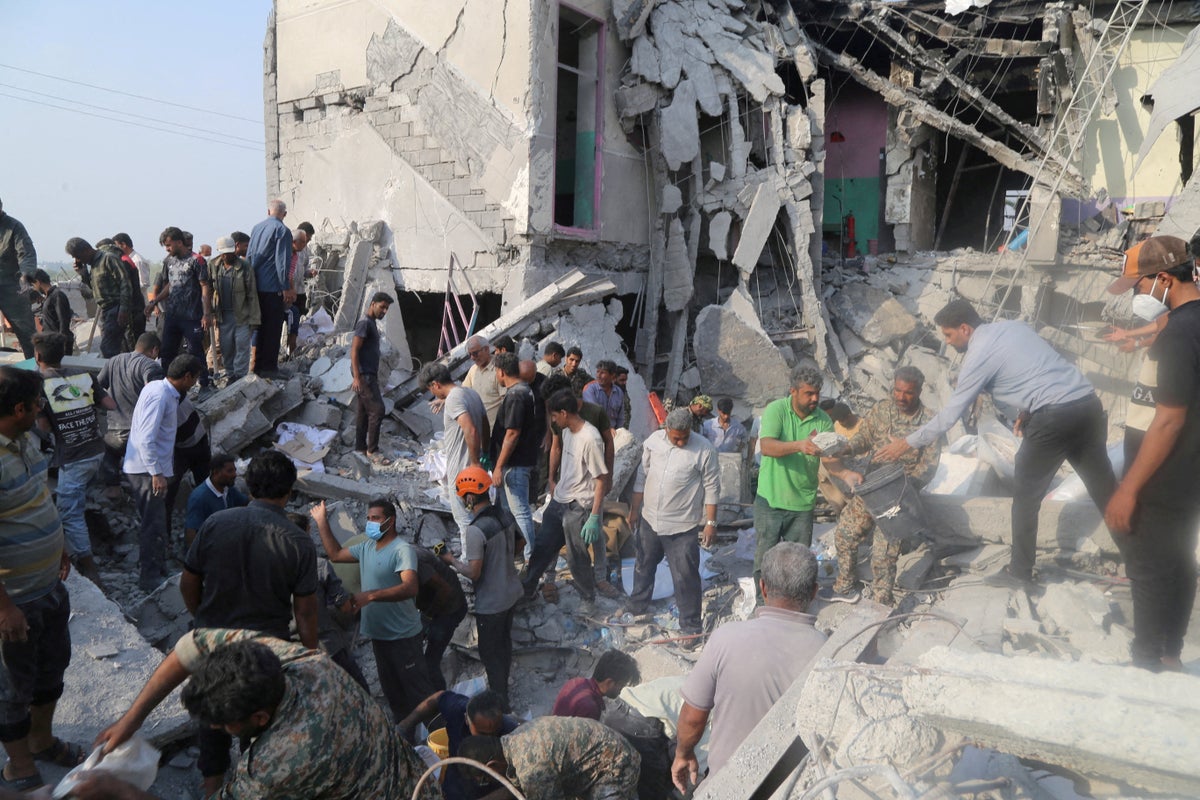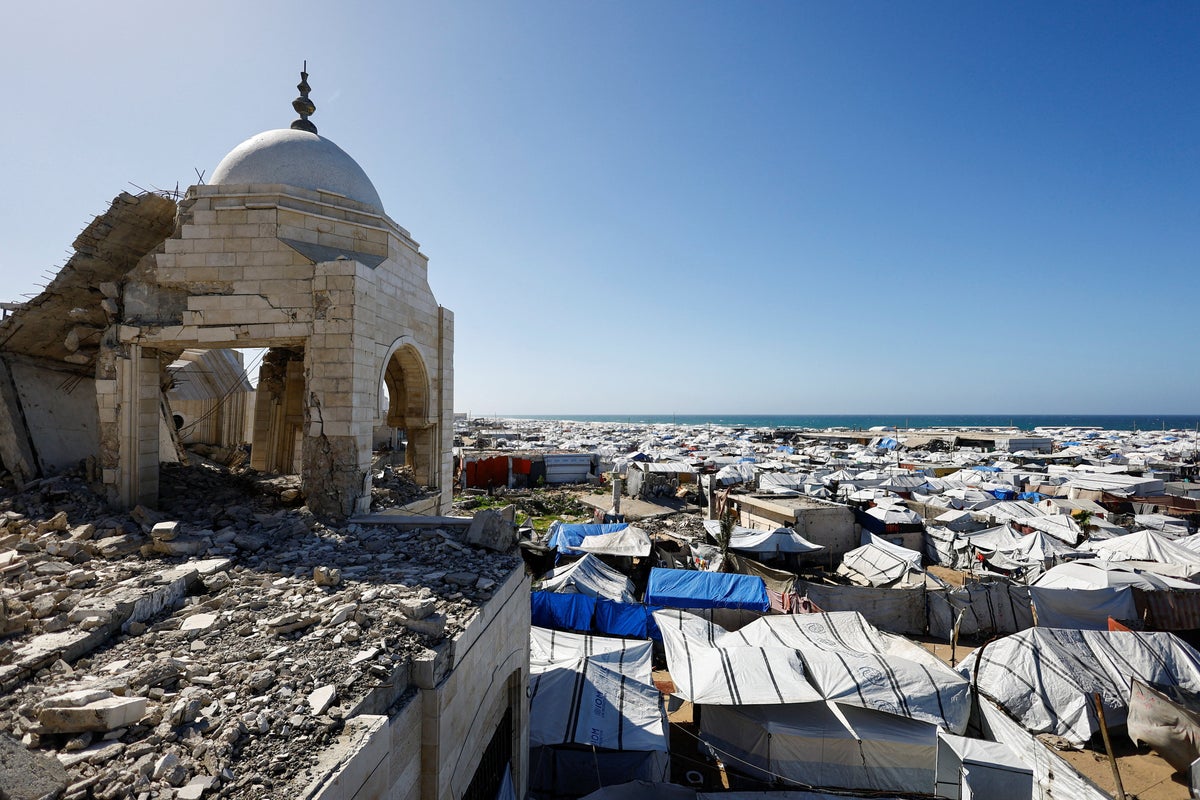
The truck was not a tank. It did not carry shells, or rockets, or the heavy machinery of war. It carried fuel—the liquid gold of a besieged strip of land—intended to keep the lights flickering in a hospital or the ovens warm in a communal kitchen. It sat in a designated distribution point, a coordinate on a map that both sides theoretically agreed was a sanctuary.
Then came the flash.
When the Israeli Defense Forces (IDF) released their statement, the language was predictably sterile. They used words like "unintentional," "deconfliction," and "operational error." In the world of high-stakes military briefings, these terms serve as a linguistic armor, designed to deflect the raw, jagged reality of what happens when a precision-guided munition finds the wrong target. But for those standing in the shadow of the smoke, the vocabulary was much simpler.
Destruction. Hunger. Darkness.
Consider a person like Malak—a hypothetical but necessary stand-in for the thousands currently navigating the rubble of Gaza. Malak doesn't read the IDF press releases. She doesn't track the shifting geopolitical alliances or the nuances of international maritime law. Malak tracks the level of the oil in her lamp and the remaining liters in the tank of the van that transports bread.
When that fuel truck was struck, Malak’s world didn’t just lose a vehicle. It lost a week of movement. It lost the ability to pump water. The math of survival in a conflict zone is brutal and unforgiving: no fuel equals no water, and no water equals a ticking clock on human life.
The IDF admitted they hit it by mistake. They were aiming for something else, a threat they perceived as imminent. But a mistake at thirty thousand feet or from a remote drone station translates to a catastrophe on the pavement. This wasn't a failure of technology. The missiles are smarter than ever. It was a failure of the "deconfliction" system—the invisible handshake between humanitarian organizations and the military that is supposed to ensure aid can move without becoming a target.
Why does this keep happening?
The answer lies in the friction of the "fog of war," a concept as old as combat itself but now amplified by the speed of modern sensors. In the heat of an operation, a white truck looks remarkably like a logistics vehicle for an insurgent group. A gathering of people looks like a tactical huddle. The pressure to strike quickly, to "neutralize" a threat before it vanishes, often overrides the slow, methodical verification required to protect a UN convoy.
The stakes are invisible until they are gone. We talk about aid in tons and liters, but those are abstractions. The real stakes are the heartbeat of a premature infant in an incubator that requires a generator to breathe. The stakes are the dignity of a father who can finally cook a meal for his children because the gas arrived. When a fuel truck is "accidentally" neutralized, those heartbeats skip. Those meals vanish.
This isn't just about one truck. It’s about the erosion of trust in the very idea of a safe zone. If a UN-marked vehicle, coordinated through official channels, can be turned into a fireball by a "mistake," then no coordinate is truly safe. The humanitarian workers who drive these routes are not soldiers. They are volunteers and employees who rely on a piece of paper and a digital ping to keep them from being shredded. Every "accidental" hit makes the next driver hesitate. It makes the next shipment harder to insure, harder to staff, and harder to deliver.
Logistics is the boring backbone of human survival. We ignore it until it fails. In Gaza, the logistics of aid have become a high-wire act performed over an abyss. The IDF’s admission of error is a rare moment of transparency, but transparency doesn't refill the tank. It doesn't undo the structural damage to the distribution network.
The military machine moves with a terrifying momentum. It is built to find, fix, and finish. Reversing that momentum to allow for the slow, cumbersome movement of food and fuel requires more than just a "deconfliction" app. It requires a fundamental shift in how "collateral damage" is weighed against "military necessity."
If the goal is security, one must ask: what is more dangerous? A missed target, or a million people pushed further into the desperation of total deprivation?
The smoke from the fuel truck eventually cleared, leaving a blackened skeleton on the road. The IDF will conduct an internal review. The UN will issue a sternly worded protest. The news cycle will churn forward, finding a new tragedy to dissect. But for the people waiting at the end of that distribution line, the error remains a physical presence. It is the cold room. It is the dry tap. It is the silence where the engine of survival used to hum.
We live in an age where we can see a license plate from space, yet we still cannot distinguish a lifeline from a threat. That is the haunting paradox of modern warfare. It is a world of perfect vision and total blindness, where a single click of a button can erase a month of humanitarian effort.
The truck is gone. The fuel is scorched into the earth. The mistake has been filed away in a report. But the hunger doesn't accept an apology, and the darkness doesn't care about the intent behind the strike. It simply settles in.
There is a terrifying fragility to the systems we rely on to keep people alive in the worst places on Earth. We assume they are robust. We assume the "experts" have it handled. But as the charred remains of a UN delivery vehicle show, the line between a successful mission and a humanitarian disaster is as thin as a coordinate on a screen, easily blurred by the trembling hand of a world at war.