The seatbelt buckle hits the door frame with a sharp, metallic clack that echoes louder in a quiet cabin than it ever should. Six kids. Two parents. Four backpacks stuffed with damp shin guards, half-eaten granola bars, and a stray trumpet case wedged behind a wheel well. Someone always ends up on the middle hump of a bench seat, knees pressed against a center console, trying to negotiate elbow room at sixty-five miles an hour on an interstate that smells like warm asphalt and rain.
Mathematics. That is usually where big family car shopping breaks down.
A standard three-row luxury SUV has historically promised seven seats on a window sticker and quietly delivered six comfortable ones—if you are lucky. Captain’s chairs in the second row feel refined and airy when you are driving to a dinner party with one other couple. Put three kids in the middle and two more in the third row, and suddenly that airy cabin feels like a submarine built for a slightly smaller crew. One extra human being shows up—a visiting cousin, a grandparent for the weekend, a teammate whose parents got stuck in traffic—and the whole logistical puzzle collapses.
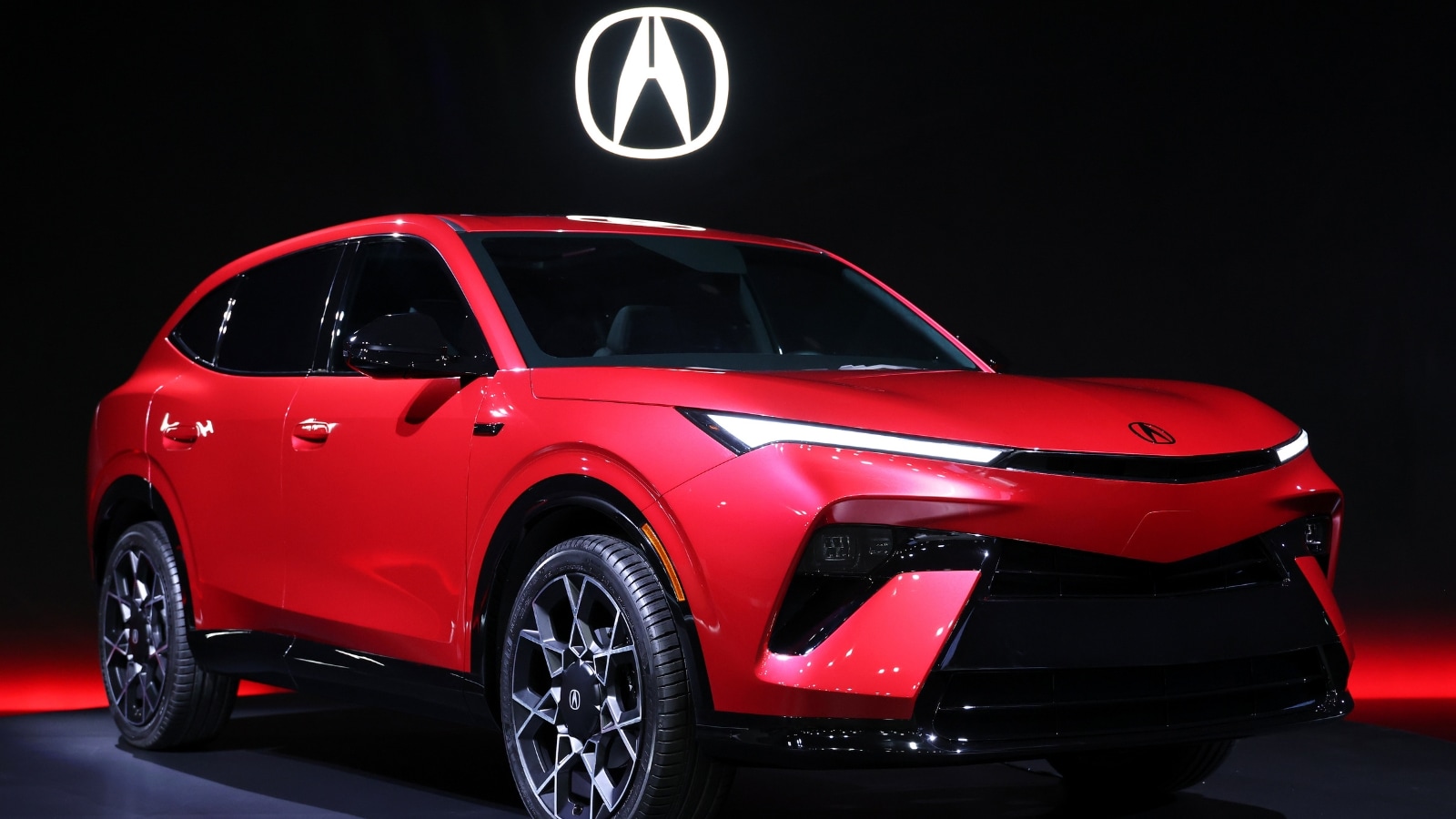
Honda has been working on an eight-seat Acura SUV aimed squarely at larger family vehicles in the United States, and on paper, that sounds like a straightforward product note. An automaker looks at a gap in its luxury lineup, notices shoppers stretching into full-size rivals or looking past Acura when their household grows past seven, and decides to build a bigger, more accommodating cabin.
Except cars are never just metal and seat belts when you are the one trying to get everyone out the door before soccer practice starts at five.
To make this concrete, consider a hypothetical family I will call the Millers—two parents, four children ranging from elementary school to high school, and a golden retriever who behaves as though every road trip is a personal invitation. Even without a real person named Miller in front of me, that geometry is familiar to anyone who has spent years watching suburban driveways fill up with strollers, coolers, and carpool rosters. When a household hits six or seven regular passengers, a seven-seat layout stops being a cushion and becomes a daily rationing system. Who gets the front? Who gets stuck folding a seat forward in a pouring rainstorm? Which bag gets left behind because the cargo floor disappeared the moment the third row went up?
I know that specific kind of low-grade cabin tension firsthand from years of driving oversized family haulers across long stretches of highway. You hear it in the rustle of wrappers in the back, the sigh when someone realizes their charger is in the front cubby, the quiet fatigue of trying to keep peace across three rows while semi-trucks throw mist across your windshield. Luxury in a vehicle like that isn't an abstract badge on the grille. Luxury is silence when everyone is tired. Luxury is not having to play human Tetris every Tuesday afternoon.
Here is the catch, though, and I will admit right up front that I find it a little unsettling: bigger isn't automatically better when you are talking about luxury SUVs.
Over the past two decades, American family vehicles have grown wider, taller, and heavier with each generation, chasing space and commanding road presence while turning parking garages into nerve-wracking tightropes and pushing fuel bills higher at every pump stop. When a brand known for athletic handling and driver engagement—like Acura—steps into territory dominated by massive, truck-based or full-size luxury bruisers, a real tension emerges. Can you add an eighth seat and genuine big-family utility without turning a responsive crossover into a lumbering barge that feels numb the moment the road curves?
Why Seven Seats Often Falls Short
Walk through almost any upscale showroom and ask about three-row seating, and you will hear the same polite reassurance: Plenty of room for the whole crew.
Sometimes that is true. If you have two children and occasionally haul friends, three rows give you breathing room and fold flat for lumber or luggage. Once your regular headcount creeps toward six, seven, or eight, the numbers stop forgiving you.
Captain’s chairs are the classic culprit. Automakers love them because they create a neat walk-through aisle to the back row and give middle-row passengers individual armrests. For a family of four or five, they are wonderful. For a larger family that needs maximum seating capacity without buying a commercial van, cutting a three-person middle bench down to two captain’s chairs costs you a seat right where you might actually want one—especially if a child still uses a booster or a car seat that makes sliding past difficult.
Then comes the third row, which in many midsize luxury SUVs is best suited for smaller kids or short hops across town rather than six-foot teenagers on a four-hour drive to see relatives. Add eight people into the equation—or design a cabin specifically to accommodate up to eight—and the engineering challenge shifts from simple length to smart packaging. Legroom in row two, access to row three, climate vents that actually reach the back without roaring like a jet engine, and enough cargo space left over behind the rearmost seats so bags aren't piled up to the headliner.
If I sound slightly skeptical of brochure promises, it is because I have seen plenty of "eight-passenger" specs that only work if everyone in the third row is five feet tall and packing a toothbrush. That is why the idea of Honda developing an eight-seat Acura SUV for the U.S. market matters more than a simple spec-sheet bump. It signals recognition that large-family buyers want something upscale and refined without being forced into a compromise layout—or abandoning the brand entirely once their family outgrows it.
The Tug-of-War Inside Luxury Engineering
Building a bigger Acura is a delicate balancing act, and pretending it is easy would insult anyone who pays attention to how modern vehicles are made.
Think of a family vehicle like a well-run household kitchen during holiday cooking. If you knock down a wall to make the island twice as wide, you get more counter space for prepping food, yet you might lose wall cabinets or create a longer walk to the sink. Every inch of wheelbase, every ounce of structural reinforcement, and every extra seating position affects weight, ride comfort, steering feel, and interior packaging.
Historically, Acura has built its identity around crispness—vehicles that feel alert, composed, and connected to the driver rather than detached and floaty. Larger family SUVs in the U.S. market often lean the other way, prioritizing sheer size, towing muscle, or imposing proportions over agility. A true eight-seat Acura has to thread a needle: give large families the seating flexibility and cabin volume they actually need, while keeping the composure, quietness, and polish that make someone pay luxury money in the first place.
There is also a quieter truth about how families use these vehicles over time. Families aren't static. A couple buys a crossover thinking about weekend trips and future plans; five years later, there are car seats, school carpools, sports gear, and parents visiting for weeks at a time. When an automaker keeps loyal customers inside its family as their households expand, it isn't just winning a single sale. It is holding onto trust across life stages.
What Large Families Actually Look For
People who shop for big family haulers rarely get swept away by flashy gimmicks alone. After a month of school drop-offs, grocery runs, and highway miles, gimmicks fade fast. What endures are practical truths that you notice in your bones.
- Easy access to the back: Nobody wants a wrestling match with a heavy seat just to let someone climb into the third row while holding a bag of groceries.
- Real breathing room: Knees shouldn't be jammed into seatbacks, and rear passengers shouldn't feel forgotten in a dark cave behind the C-pillar.
- Everyday livability: Cupholders that actually hold a large insulated tumbler, clear outward visibility when backing out of a crowded school pickup line, and a ride that stays calm over broken pavement.
None of that sounds glamorous in a press release. All of it changes how a Tuesday feels at 4:45 p.m. when rain is streaking the glass and everyone is hungry.
Carrying the Whole Crowd Without Losing Yourself
We don't yet have every final specification, trim detail, or showroom arrival date laid out in front of us for Honda's eight-seat Acura SUV project, and uncertainty is part of watching any vehicle in development. Plans evolve, prototypes get refined, and real-world road tests always have the final word over early intentions.
Still, the direction itself tells a clear story. A growing number of American households don't fit neatly into small or even mid-sized boxes, and they shouldn't have to choose between feeling like an afterthought in a cramped third row or driving something that feels like a shipping container.
Rain taps against the roof of a parked SUV outside a busy school entrance. Inside, doors slide and thud shut one by one, a dome light glows warm against fogged glass, and eight seatbelts click home with room to spare—not a single person left wondering where they belong.