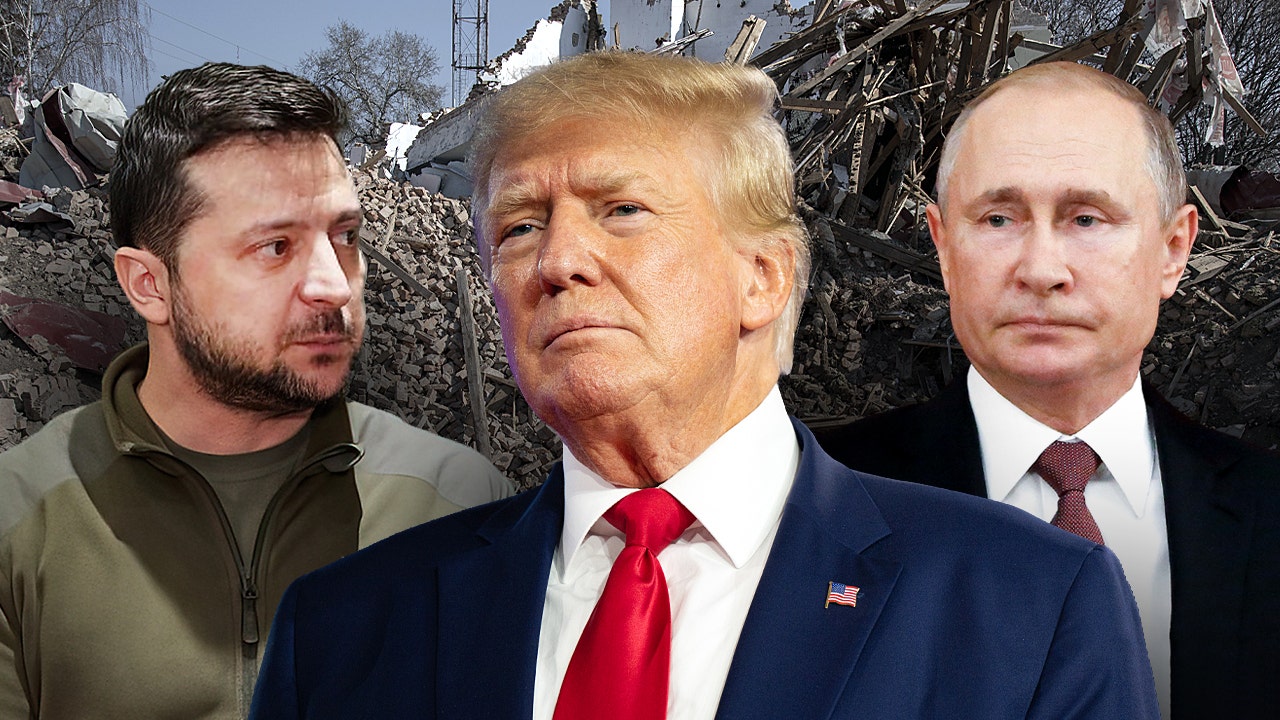
The ink is barely dry on the press releases from Donald Trump’s high-profile departure from Beijing, and the Kremlin has already dropped its next major diplomatic chess move. Russian President Vladimir Putin will land in China on May 19 for a two-day state visit with Xi Jinping.
If you think this is just another routine photo-op between two autocratic leaders, you’re missing the bigger picture. The timing isn't an accident. Coming less than 24 hours after the US president wrapped up talks with Xi covering everything from Taiwan to the ongoing war in Iran, Moscow is sending a glaring message to Washington. They want the world to know that the Sino-Russian axis remains completely unshaken by American diplomacy.
While mainstream coverage focuses strictly on the scheduling overlap, the real story lies in what happens when the cameras turn off. This meeting isn't just a reaction to US posturing. It's a calculated effort to solidifying a massive economic and military lifeline that keeps Russia afloat.
Timing is everything in global diplomacy
Western analysts often miscalculate how deeply intertwined the schedules of Moscow and Beijing actually are. On May 16, both the Kremlin and the Chinese Foreign Ministry officially confirmed the May 19-20 trip. Ostensibly, the visit marks the 25th anniversary of the 2001 Sino-Russian Treaty of Friendship. But let's look at the immediate backdrop.
Trump just spent his days in Beijing pushing Xi on trade restrictions, warning against military escalations around Taiwan, and trying to find common ground on the critical security crisis in Iran and the Strait of Hormuz. Trump even noted on Air Force One that Xi agreed Iran shouldn't possess nuclear weapons.
Then, right on cue, Putin books his flight.
By showing up immediately after the American delegation packs its bags, Putin ensures that Russia remains central to China's strategic calculations. It is a classic geopolitical counter-weight maneuver. Xi gets to play the ultimate global broker, hosting the leaders of both the United States and Russia in the same week, effectively proving that Beijing holds the keys to global stability—or instability.
The economic reality holding the partnership together
Strip away the lofty rhetoric about "comprehensive partnerships" and "strategic cooperation," and you find a relationship built on pure survival and mutual benefit. Since the escalation of the Ukraine conflict in 2022, Western sanctions cut Russia off from the SWIFT banking system and traditional European energy markets.
Who stepped in? China.
Beijing didn't do it out of charity. They did it because Russia became the ultimate discount gas station. China is now the world’s top buyer of Russian fossil fuels. This massive energy trade provides the Kremlin with the hard currency it needs to sustain its domestic economy and military production.
During this trip, Putin isn't just meeting Xi. He is also sitting down with Chinese Premier Li Qiang. The sole focus of that meeting is trade and economic cooperation. Western intelligence agencies keep sounding the alarm that China is bypassing sanctions by supplying Russia with dual-use technology—microchips, tools, and drone components that keep the Russian military machine running.
Beijing denies this, claiming absolute neutrality. They blame the West for prolonging conflicts by sending arms to Ukraine. But the trade numbers tell a very different story. The economic symbiosis between these two nations has grown too big to fail for either side.
Beijing tightrope walk between Washington and Moscow
You have to look at this from Xi Jinping's perspective to understand the real tension in the room. China is facing its own economic headwinds, real estate vulnerabilities, and trade pressures from the West. Xi cannot afford a total collapse of relations with the United States or the European Union, which remain vital markets for Chinese exports.
Yet, Xi cannot let Putin fail either. A collapsed or pro-Western Russia would leave China strategically isolated, facing a unified Western alliance across its massive northern border.
So, Xi plays both sides. He rolls out the red carpet for Trump, listens to concerns about Iran and Taiwan, and talks about a "constructive" US-China relationship. Then, he welcomes his "dear friend" Putin to sign a new joint declaration and launch the Russia-China Years of Education. It's a masterclass in strategic ambiguity.
What to watch for during the May 19-20 summit
Forget the ceremonial handshakes. If you want to know where this relationship is actually heading, keep your eyes on three specific areas during the two-day visit.
- The wording on Iran and the Middle East: Trump claimed Xi agreed on limiting Iran's nuclear ambitions. Watch the joint declaration from Putin and Xi to see if Beijing softens or doubles down on its stance regarding the Iranian conflict.
- Energy infrastructure deals: Look for any concrete progress updates regarding the Power of Siberia 2 pipeline. Russia desperately needs this project finalized to reroute its stranded Siberian gas fields toward Chinese factories, but Beijing has intentionally dragged its feet to secure lower prices.
- Financial settlement mechanisms: With Western sanctions targeting banks that facilitate trade with Russia, see if the two leaders announce alternative, non-dollar payment systems that keep bilateral trade moving undetected.
This summit proves that the geopolitical fragmentation of the world isn't a future risk—it's the current reality. While Washington attempts to use diplomatic pressure to break or weaken these alliances, the economic realities of cheap energy, shared security anxieties, and a mutual desire to challenge Western dominance keep binding Beijing and Moscow closer together.
If you're tracking global market trends or international security risks, ignore the corporate media filler next week. Pay attention to the actual policy documents and trade agreements signed in Beijing on May 20. That's where the real trajectory of the next few years will be written.