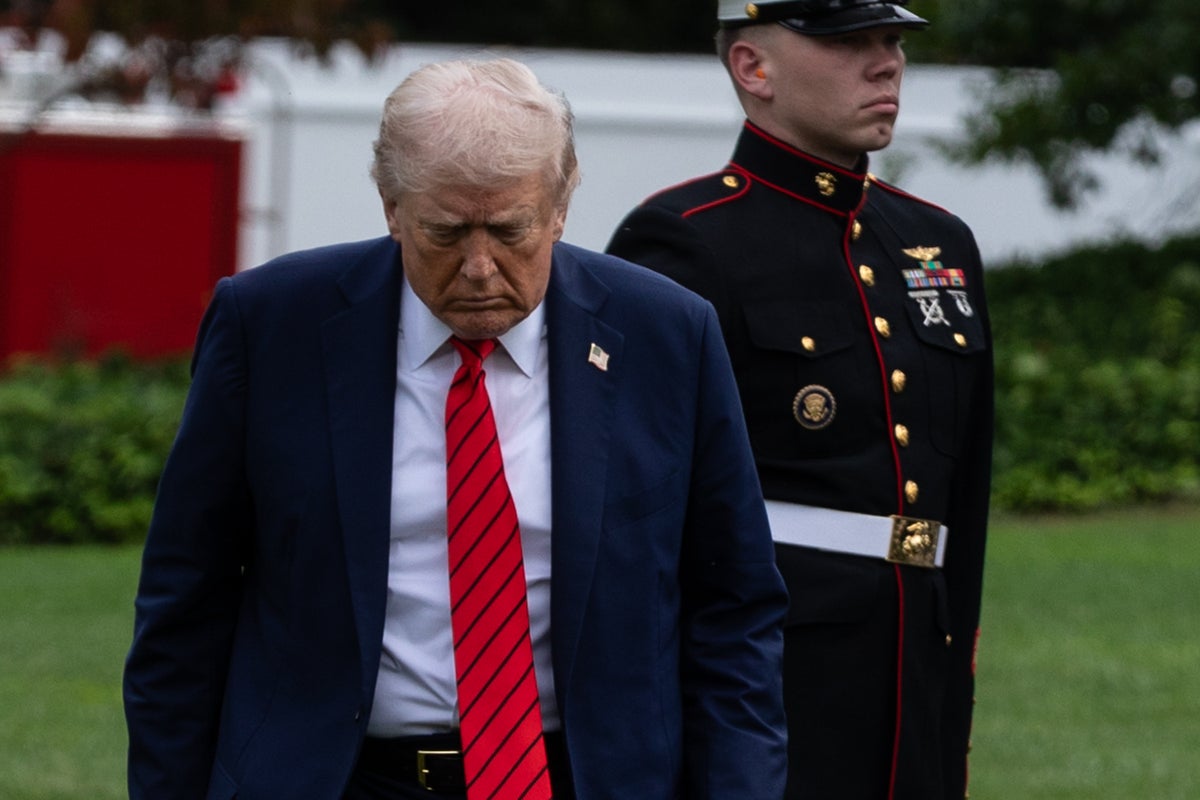
When a president turns 80, health updates stop being routine paperwork and become matters of national security. So when the White House dropped Donald Trump’s latest medical report late on a Friday night, it immediately raised eyebrows. White House physician Dr. Sean Barbabella declared the president in "excellent health" following his three-hour visit to Walter Reed National Military Medical Center. Yet, the vague language and glaring omissions in the text have medical experts sounding the alarm.
You don't need a medical degree to see what's happening here. The public is getting a heavily curated version of reality, and independent physicians want the White House medical team to stand in front of a microphone and actually answer tough questions.
The Weight Gain and Missing Metrics
Let's look at the numbers we actually got. The report states Trump now weighs 238 pounds, up from 224 pounds in April 2025. For a man standing 6 feet 3 inches, that puts his Body Mass Index (BMI) firmly in the overweight category, creeping close to obesity. Barbabella explicitly noted that the president needs to focus on "continued weight loss" and a better diet.
But it's what the report left out that has specialists like Dr. Celine Gounder questioning the transparency of the administration.
- Missing Lab Data: Previous medical summaries typically included specific cholesterol numbers, blood sugar levels, and exact liver function metrics. This letter offered vague assurances that labs were "broadly normal."
- Vague Imaging Results: The report mentions that Trump underwent CT scans and advanced cardiac imaging involving 22 different specialists. If everything checked out perfectly, why aren't the specific calcium scores or ejection fraction percentages shared?
- The Heart Paradox: The administration bragged that Trump possesses a heart that functions decades younger than his actual age, yet his resting heart rate jumped to 73 beats per minute, a notable increase from previous baselines.
When you hide the raw data behind glowing adjectives, you invite suspicion.
Explaining Away the Hand Bruising and Leg Swelling
For months, observers have spotted distinct bruising on Trump's hands and noticeable swelling in his lower extremities. The medical report attempted to put these concerns to rest, but the explanations feel incredibly thin to outside clinicians.
Barbabella wrote that the bruising on the back of Trump's hands is merely "ecchymosis" caused by "minor soft tissue irritation related to frequent handshaking in the setting of aspirin use."
Honestly, that sounds kind of ridiculous to anyone who understands basic anatomy. Outside neurologists and hematologists have pointed out that the bruising frequently appears on his non-dominant left hand. If handshaking were the primary culprit, you'd expect to see the worst of it on his right hand.
Then there's the leg swelling. The White House previously acknowledged Trump suffers from chronic venous insufficiency, a condition where the veins have trouble sending blood back from the legs to the heart. While common in older adults, a sudden worsening of this condition can signal deeper cardiovascular issues. The report notes the swelling but glosses over whether his medication dosages had to be adjusted to manage it.
The Drowsiness and Cognitive Score Questions
We've all seen the clips. Trump has appeared visibly drowsy during afternoon meetings, sometimes closing his eyes for long stretches. His team mocks reporters who bring it up, claiming it's just normal blinking captured at bad moments.
Yet, prominent medical analysts like Dr. Jonathan Reiner have publicly questioned whether the president is dealing with daytime somnolence, which can sometimes correlate with early-stage cognitive changes or sleep apnea.
The report leans heavily on past cognitive screenings, like the Montreal Cognitive Assessment (MoCA), where Trump previously scored a perfect 30 out of 30. But a screening tool designed to detect severe dementia isn't a comprehensive neurological evaluation. If 22 specialists were involved in this physical, the public has a right to know exactly what kind of neurological stress tests were performed.
The Problem With Presidential Medical Freedom
Here's the frustrating reality of American politics: presidents have total control over their own medical records. There is absolutely no law forcing a sitting commander-in-chief to disclose a single piece of health data.
The physician to the president is a military officer. They answer directly to the commander-in-chief. This creates a massive conflict of interest. If a president tells their doctor to leave out a specific diagnosis or hide an MRI result, the doctor's hands are effectively tied by patient privacy laws and executive privilege.
We saw this when Woodrow Wilson hid a stroke, when JFK concealed his debilitating Addison's disease, and when the public was kept in the dark about FDR's declining heart condition during World War II. We don't live in the 1940s anymore. The lack of an independent, non-partisan medical board to evaluate the leader of the free world is a glaring systemic flaw.
If you want to understand the true fitness of the president, don't look at a one-page letter signed by a White House staffer. Demand a live press briefing where independent medical journalists can grill the medical team on the record. Until that happens, every "perfect" health report comes with a giant asterisk.


